Biomedical lab clean
1344×768 · AVIF · CC BY 4.0
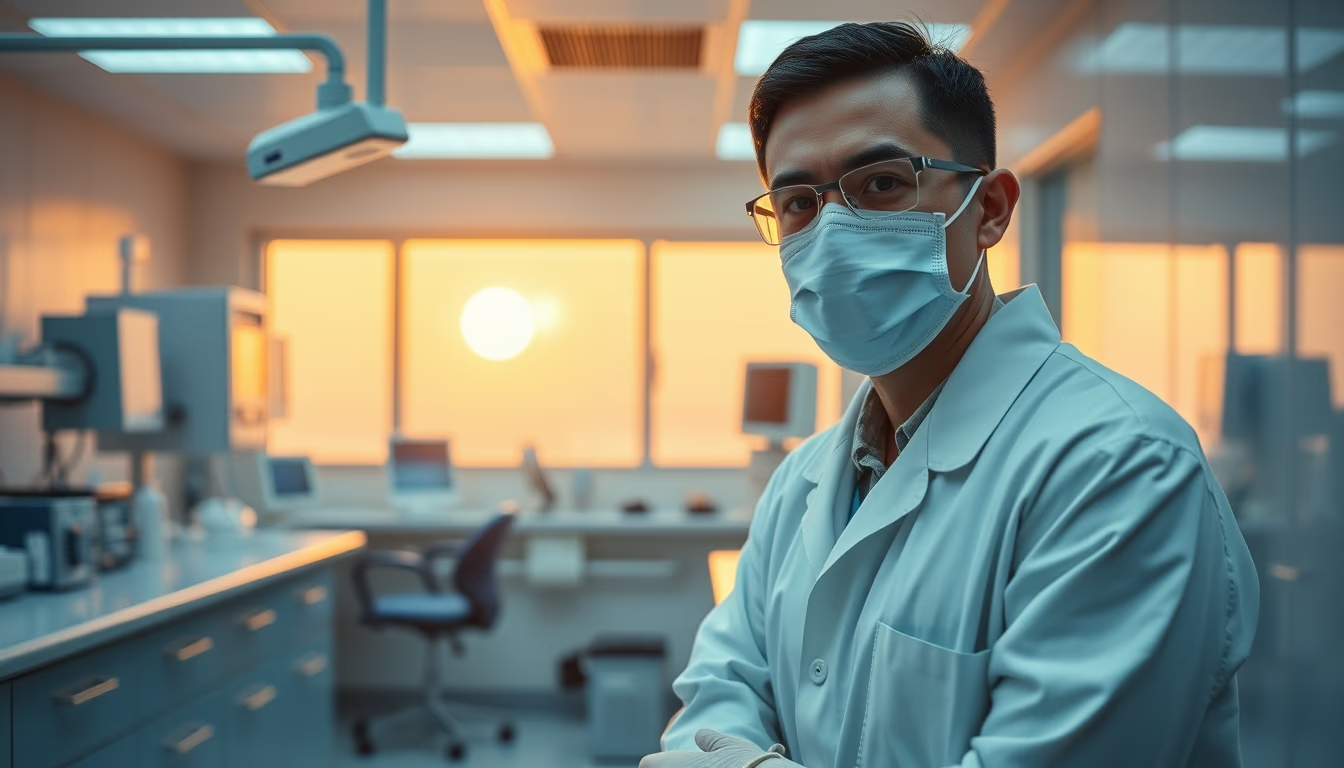
Biomedical laboratory environments demand rigorous cleaning and decontamination protocols to ensure safety and research validity.
About this subject
Cleanliness in biomedical laboratories goes far beyond aesthetics. It is a fundamental pillar for the integrity of experiments and the protection of professionals. Cross-contamination, whether by microorganisms, nucleic acids, or chemical substances, can invalidate results and create biological hazards. Therefore, every surface, equipment, and input follows a specific sanitization plan, often based on standards from agencies like ANVISA and the CDC.
Laboratories are classified into biosafety levels (BSL-1 to BSL-4), which define the severity of cleaning practices. In a BSL-2, for example, the use of sodium hypochlorite and 70% alcohol is routine for disinfecting benches after handling samples. In BSL-3 or BSL-4, autoclaves, biological safety cabinets, and HEPA-filtered ventilation systems are employed. Weekly cleaning of floors and walls with specific detergents is also mandatory to prevent biofilms and accumulation of contaminated dust.
Interestingly, cleaning validation is a scientific process in itself. Swabs and contact plates are used to verify the absence of ATP (adenosine triphosphate) or viable microorganisms. In sterile drug production areas, cleaning is monitored by airborne particles and sterility tests. These practices ensure that the environment meets Class A, B, C, or D parameters of GMP (Good Manufacturing Practices) certification.
Cleanliness in biomedical laboratories is not limited to the physical space. It includes waste decontamination, which is segregated and treated before disposal. Equipment such as autoclaves and incinerators are essential for inactivating hazardous materials. This rigor is what allows biomedical research to advance reliably, from vaccine development to disease diagnosis.
Frequently Asked Questions
What are the main cleaning agents used in biomedical laboratories?
The most common are sodium hypochlorite (bleach), 70% alcohol, hydrogen peroxide, and enzymatic detergents. The choice depends on the type of contaminant and the laboratory's biosafety level.
How is cleaning validation performed in a laboratory?
Validation uses methods such as swabs for residue collection and contact plates for microbial culture. ATP levels are also measured via bioluminescence, indicating the presence of organic matter.
What is the difference between cleaning, disinfection, and sterilization in a laboratory context?
Cleaning removes dirt and reduces microbial load. Disinfection eliminates most pathogens but not spores. Sterilization destroys all life forms, including spores, and is done by autoclave or radiation.
Direct URL
https://pub-c7d6a6ea828543ac903a74a341ccb2e1.r2.dev/imagens/biomedical-lab-clean-cinematic-wide-shot-p1.avifHow to credit
Include a visible link back to UtilizAí. Copy one of the snippets below:
<a href="https://xn--utiliza-eza.com/en/midia/imagens/biomedical-lab-clean-cinematic-wide-shot-p1">Biomedical lab clean</a> by <a href="https://xn--utiliza-eza.com">UtilizAí</a>, licensed under <a href="https://creativecommons.org/licenses/by/4.0/">CC BY 4.0</a>.
[Biomedical lab clean](https://xn--utiliza-eza.com/en/midia/imagens/biomedical-lab-clean-cinematic-wide-shot-p1) by [UtilizAí](https://xn--utiliza-eza.com), CC BY 4.0
License: CC-BY-4.0