Biofilm bacterial slime
1344×768 · AVIF · CC BY 4.0

Bacterial biofilm is a complex community of microorganisms encased in a viscous extracellular matrix, essential for bacterial survival and resistance.
About this subject
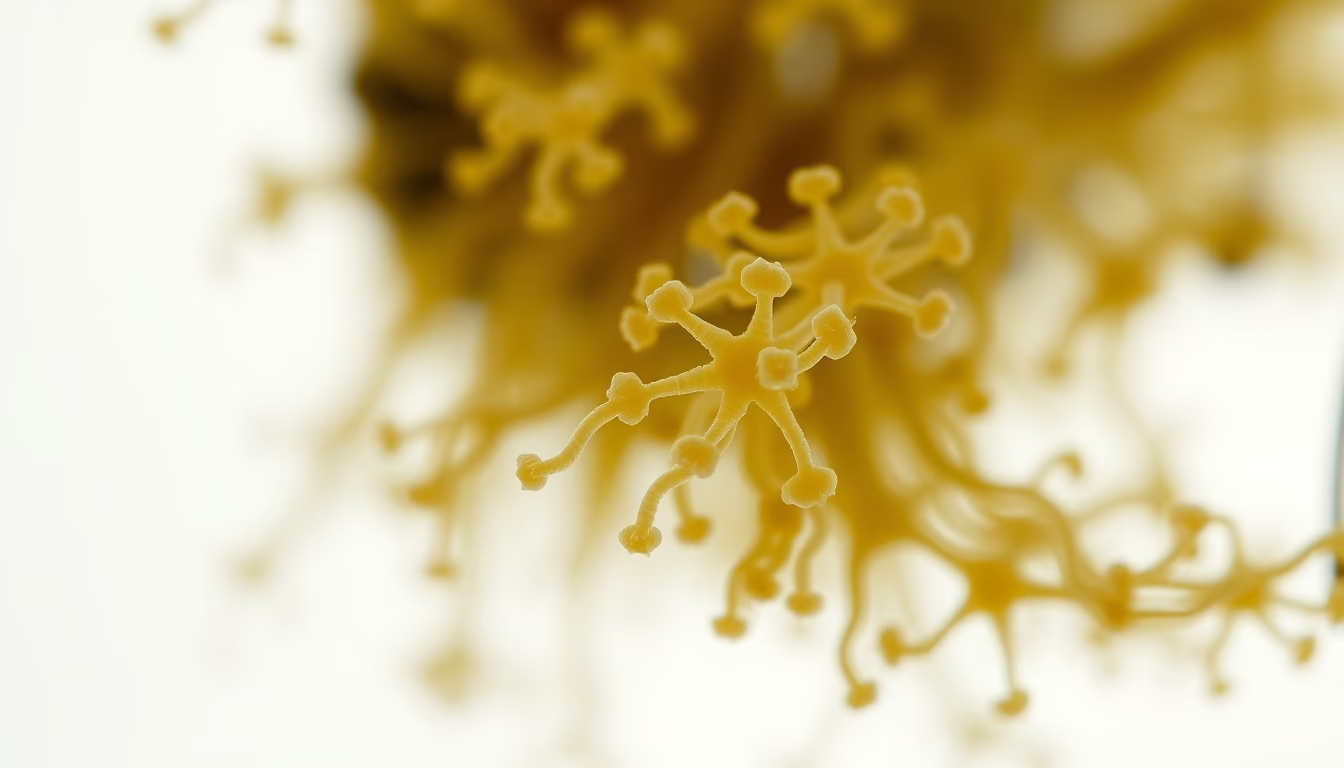
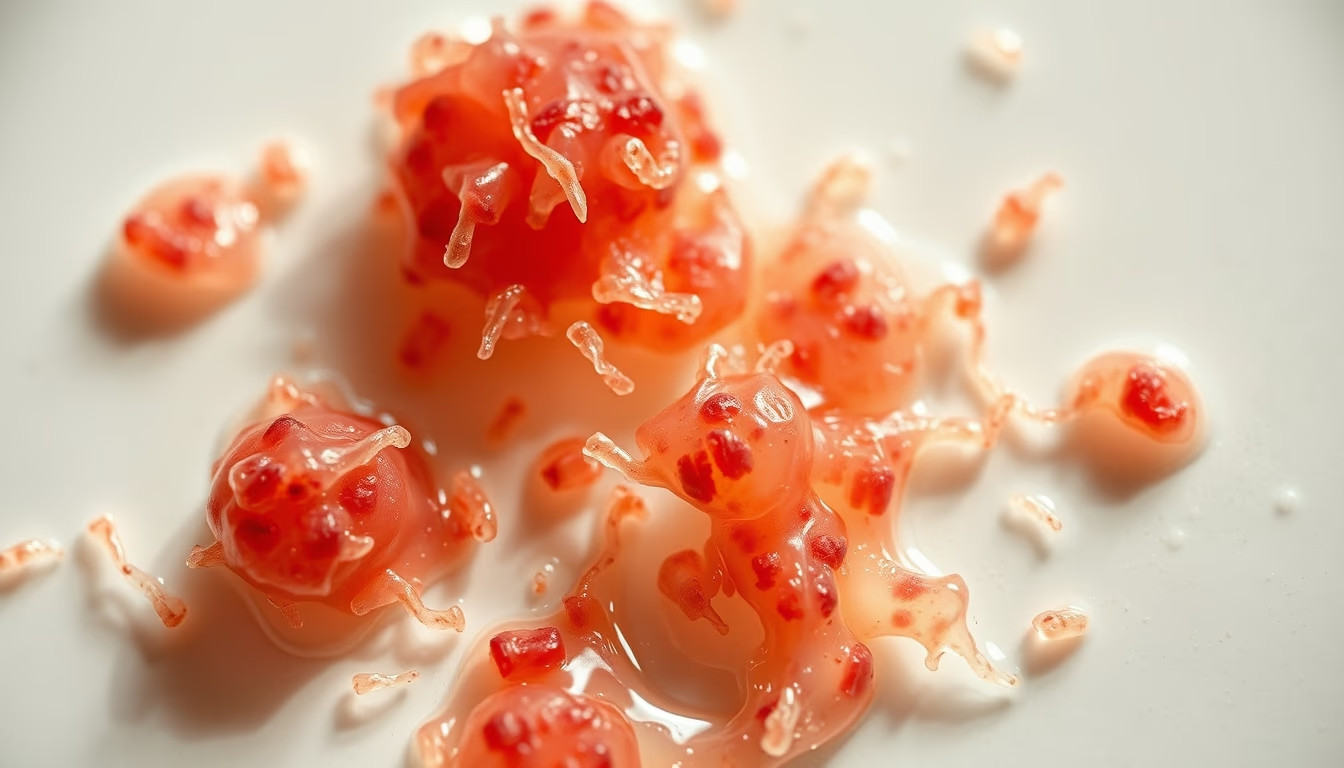
Bacterial biofilm is a three-dimensional structure formed by microorganisms attached to a surface and embedded in a self-produced extracellular polymeric matrix composed of polysaccharides, proteins, nucleic acids, and lipids. This matrix confers protection against antimicrobial agents, environmental stresses, and the host immune system. Biofilms can form on biotic surfaces, such as living tissues, and abiotic surfaces, including medical implants, pipelines, and industrial equipment.
In nature, biofilms are the predominant mode of microbial life, enabling cell-to-cell communication via quorum sensing. In clinical settings, they are responsible for chronic infections such as those associated with catheters, prostheses, and cystic fibrosis. It is estimated that about 80% of bacterial infections in humans involve biofilms. The intrinsic resistance to antibiotics, which can be up to 1000 times higher than in planktonic bacteria, makes treatment challenging.
In industry, biofilms cause problems such as biofouling in water systems, microbiologically influenced corrosion in pipelines, and contamination in food processing. Control strategies include the use of matrix-degrading enzymes, quorum sensing disruptors, and anti-adhesive surfaces. Current research focuses on developing new antibiofilm agents and understanding the mechanisms of formation and dispersal.
Interestingly, biofilms also have beneficial applications, such as in bioremediation of pollutants, wastewater treatment, and biogas production. In the human body, beneficial biofilms in the gut microbiota aid digestion and protect against pathogens.
Frequently Asked Questions
What is a bacterial biofilm?
It is a community of bacteria attached to a surface, embedded in a viscous matrix that protects them and enables communication.
Why are biofilms resistant to antibiotics?
The extracellular matrix hinders antibiotic penetration, and bacteria in biofilm enter a low metabolic activity state, becoming less susceptible.
Are there beneficial biofilms?
Yes, for example in bioremediation of pollutants and in the gut microbiota, where they protect against pathogens and aid digestion.
Direct URL
https://pub-c7d6a6ea828543ac903a74a341ccb2e1.r2.dev/imagens/biofilm-bacterial-slime-studio-editorial-portrait-fresh12.avifHow to credit
Include a visible link back to UtilizAí. Copy one of the snippets below:
<a href="https://xn--utiliza-eza.com/en/midia/imagens/biofilm-bacterial-slime-studio-editorial-portrait-fresh12">Biofilm bacterial slime</a> by <a href="https://xn--utiliza-eza.com">UtilizAí</a>, licensed under <a href="https://creativecommons.org/licenses/by/4.0/">CC BY 4.0</a>.
[Biofilm bacterial slime](https://xn--utiliza-eza.com/en/midia/imagens/biofilm-bacterial-slime-studio-editorial-portrait-fresh12) by [UtilizAí](https://xn--utiliza-eza.com), CC BY 4.0
License: CC-BY-4.0