Biofilm bacterial slime
1344×768 · AVIF · CC BY 4.0
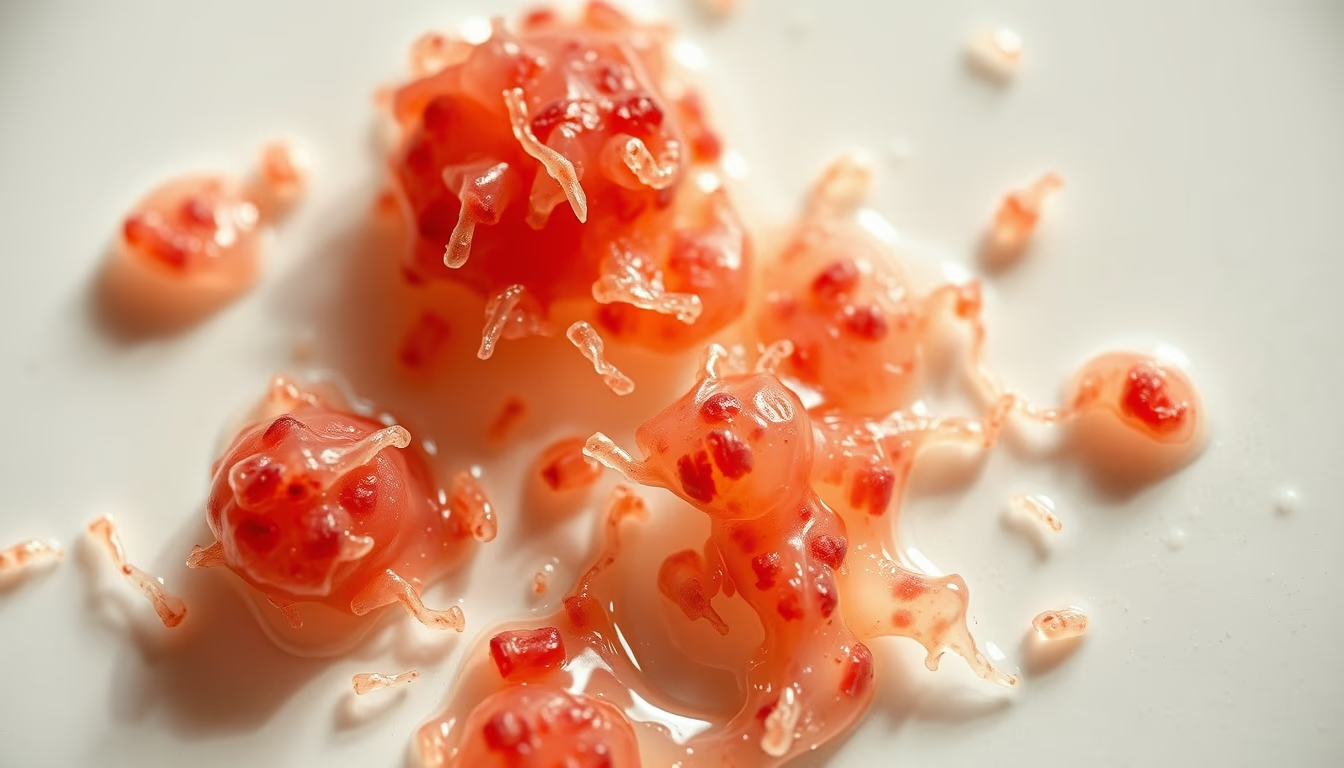
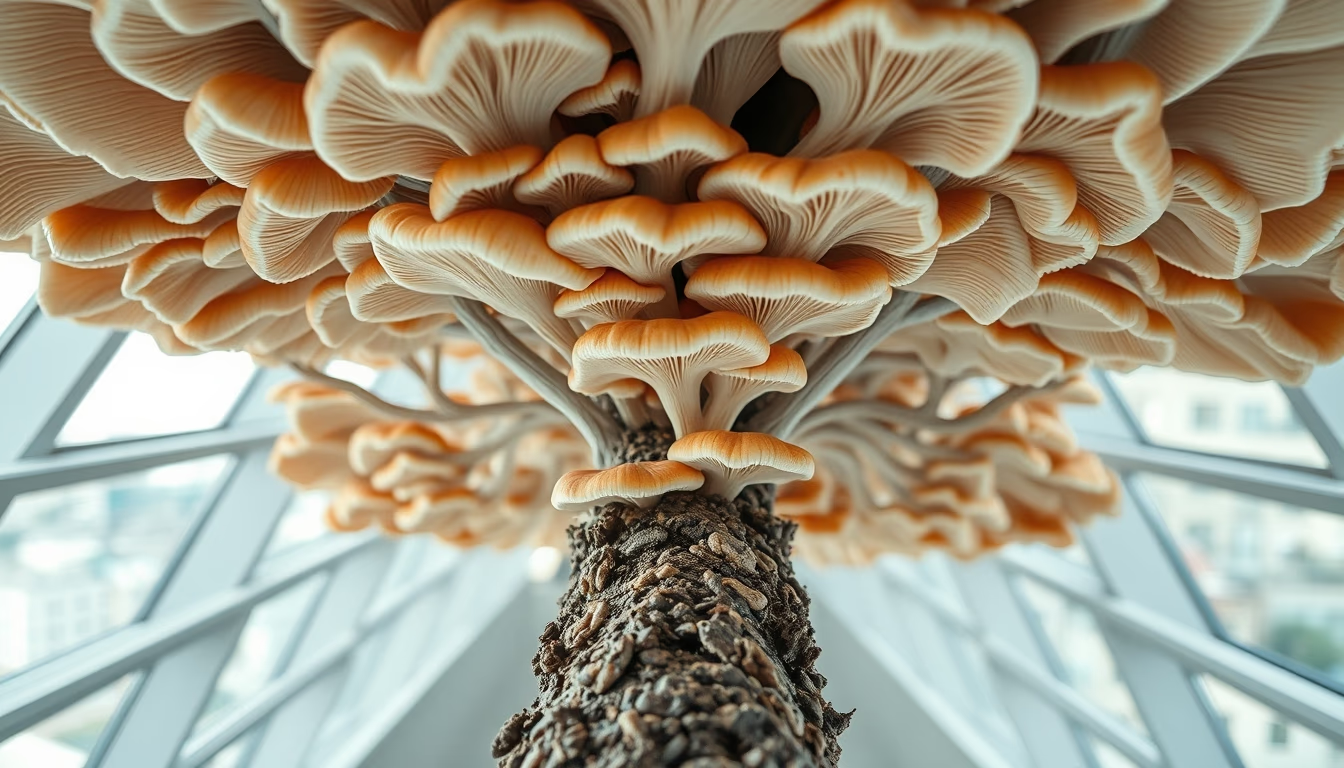
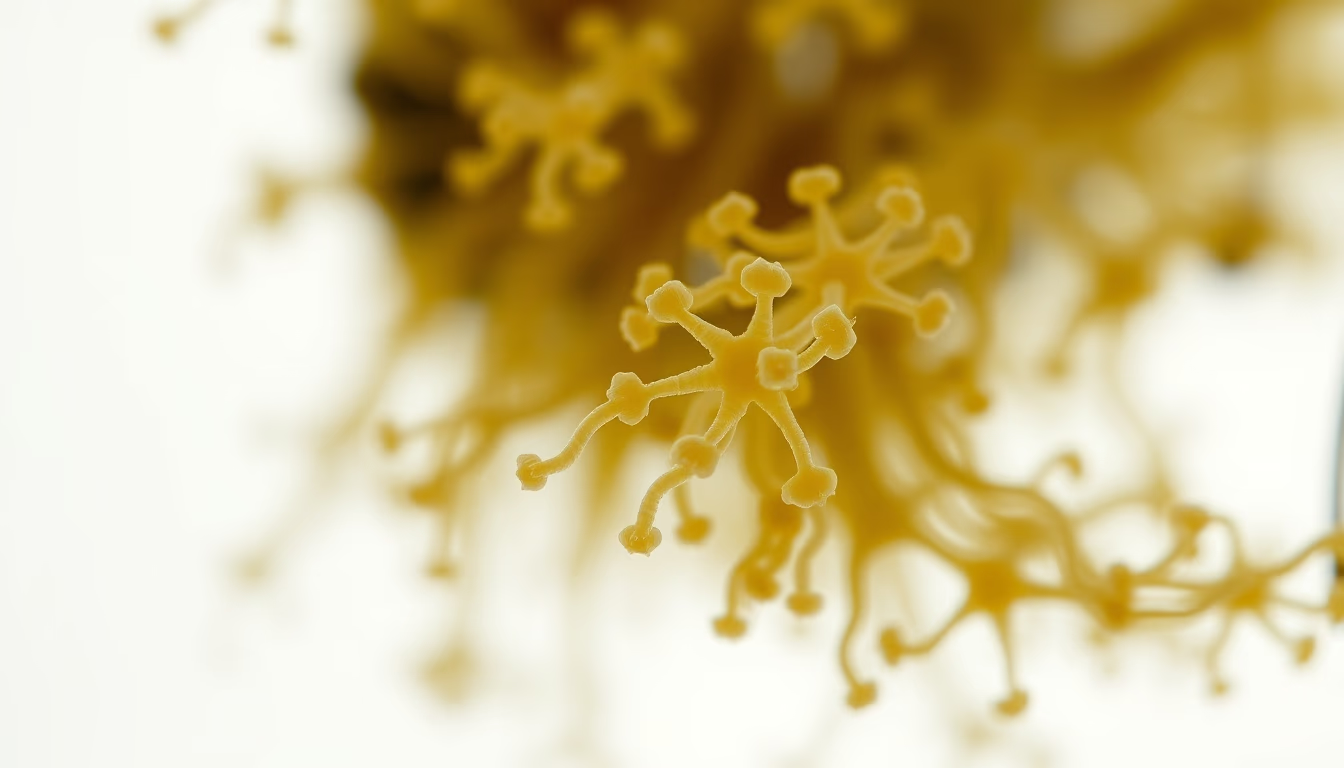
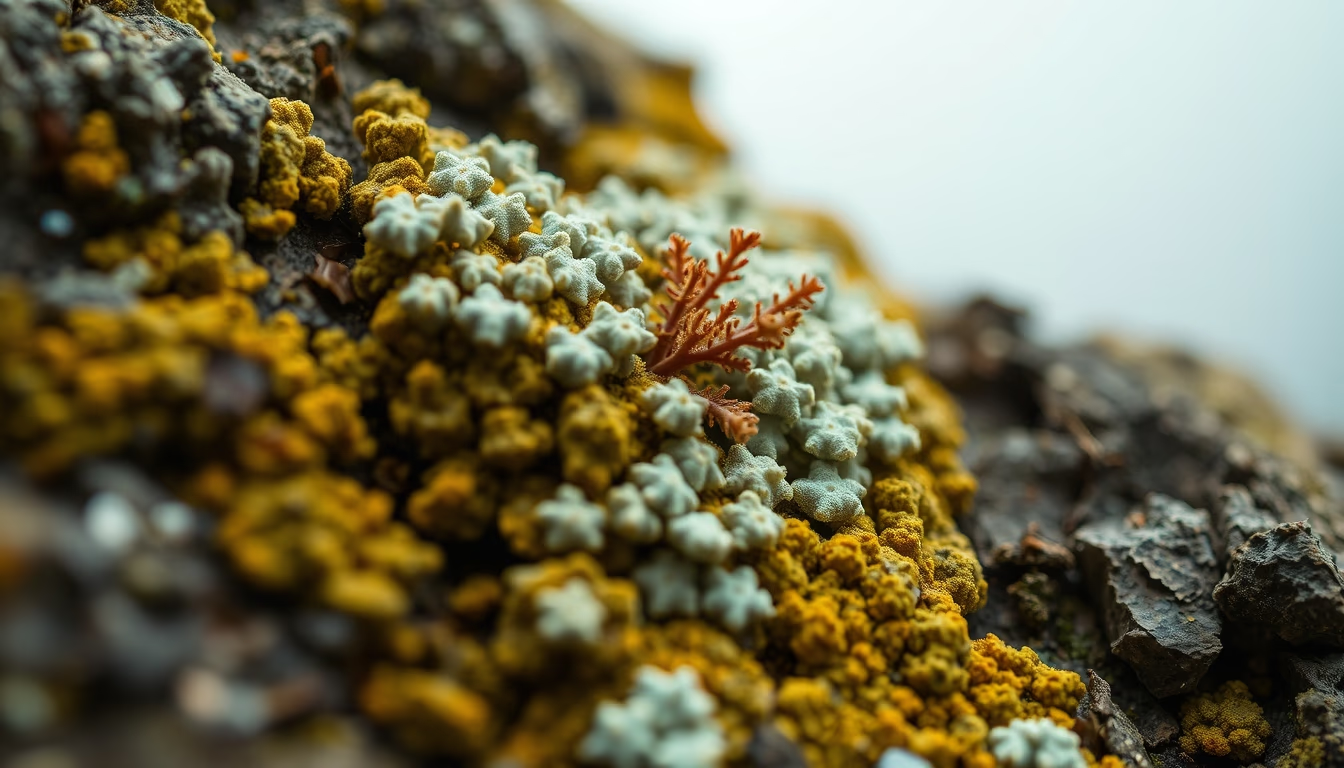
Bacterial biofilms are structured communities of microorganisms encased in a protective matrix, found in natural, industrial, and medical environments, posing challenges for health and sanitation.
About this subject
Biofilms are clusters of bacteria that adhere to surfaces and produce an extracellular polymeric substance (EPS) composed of polysaccharides, proteins, lipids, and DNA. This matrix protects the bacterial cells from environmental stresses such as UV radiation, desiccation, and antimicrobial action. The formation process involves reversible adhesion, followed by irreversible attachment, EPS production, maturation, and eventual dispersal.
In nature, biofilms are ubiquitous: they cover rocks in rivers, plant roots, and the ocean floor. In industrial settings, they accumulate in water system pipes, heat exchangers, and ship hulls, causing biofouling and efficiency loss. In medicine, they form on implanted devices such as catheters, prosthetics, and contact lenses, accounting for approximately 80% of human bacterial infections.
The main concern regarding biofilms is antibiotic resistance. Due to limited drug penetration and the presence of persister cells, biofilm-associated infections are difficult to eradicate with conventional therapy, requiring approaches such as antibiotic combinations, matrix-degrading enzymes, or mechanical removal.
Despite the problems, biofilms have beneficial applications. In bioremediation, bacterial communities immobilized in biofilms are used to degrade organic pollutants in effluents and contaminated soils. They are also employed in biological reactors for wastewater treatment and in the production of chemical compounds via fermentation. Studying bacterial communication mechanisms, such as quorum sensing, offers targets for developing biofilm control strategies.
Frequently Asked Questions
What is a bacterial biofilm?
A bacterial biofilm is a structured community of bacteria encased in a self-secreted polymeric matrix. This matrix protects the cells and facilitates adhesion to biotic or abiotic surfaces.
How do biofilms cause chronic infections?
Biofilms allow bacteria to persist in hostile environments, such as the human body. The matrix hinders antibiotic penetration, and cells inside can enter a dormant state, becoming resistant to treatment and leading to long-lasting infections.
Can biofilms be removed?
Yes, removal can be achieved by mechanical methods (brushing, scraping), chemical means (oxidizing agents, matrix-degrading enzymes), or biological approaches (bacteriophages, predatory bacteria). However, complete eradication is challenging, especially in clinical settings.
Direct URL
https://pub-c7d6a6ea828543ac903a74a341ccb2e1.r2.dev/imagens/biofilm-bacterial-slime-magazine-editorial-fresh17.avifHow to credit
Include a visible link back to UtilizAí. Copy one of the snippets below:
<a href="https://xn--utiliza-eza.com/en/midia/imagens/biofilm-bacterial-slime-magazine-editorial-fresh17">Biofilm bacterial slime</a> by <a href="https://xn--utiliza-eza.com">UtilizAí</a>, licensed under <a href="https://creativecommons.org/licenses/by/4.0/">CC BY 4.0</a>.
[Biofilm bacterial slime](https://xn--utiliza-eza.com/en/midia/imagens/biofilm-bacterial-slime-magazine-editorial-fresh17) by [UtilizAí](https://xn--utiliza-eza.com), CC BY 4.0
License: CC-BY-4.0