Biofilm bacterial slime
1344×768 · AVIF · CC BY 4.0
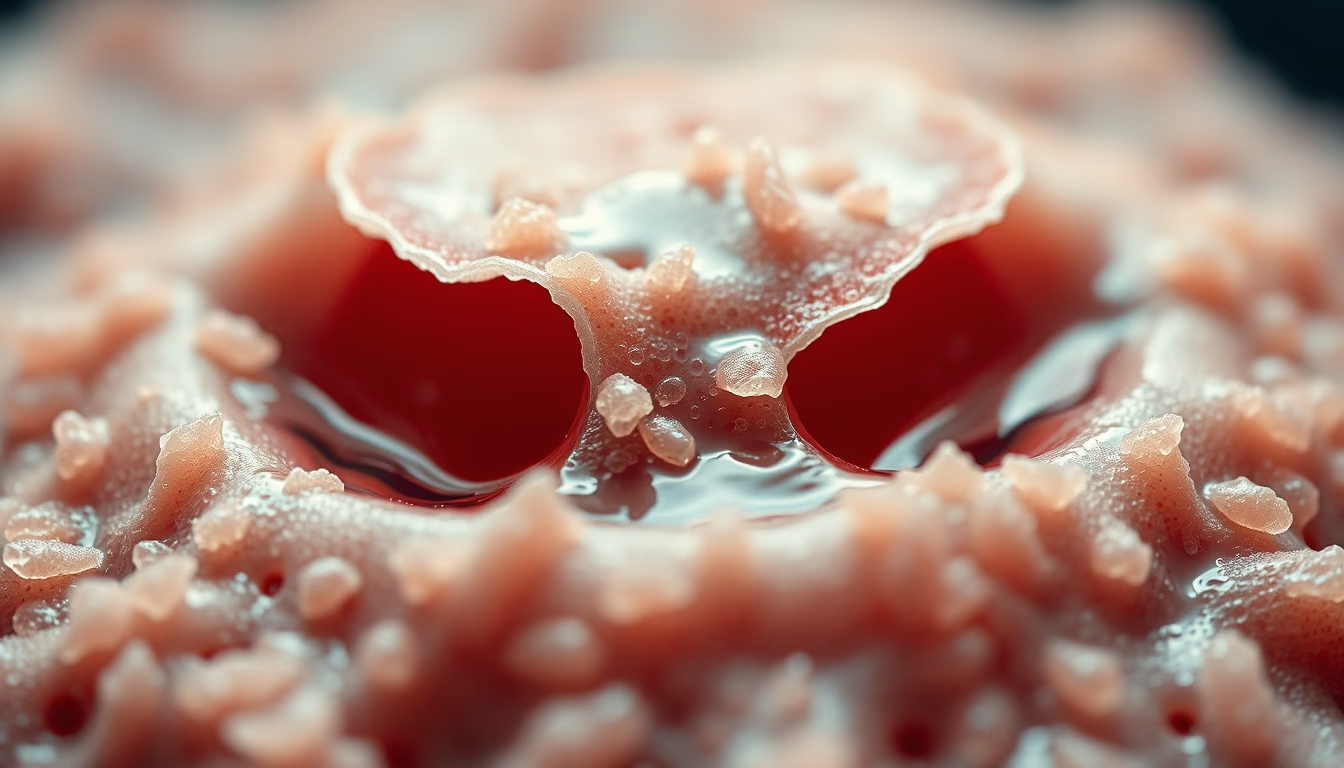
Biofilm is a bacterial community encased in a slimy matrix, crucial for antibiotic resistance and found in environments from plumbing to medical implants.
About this subject
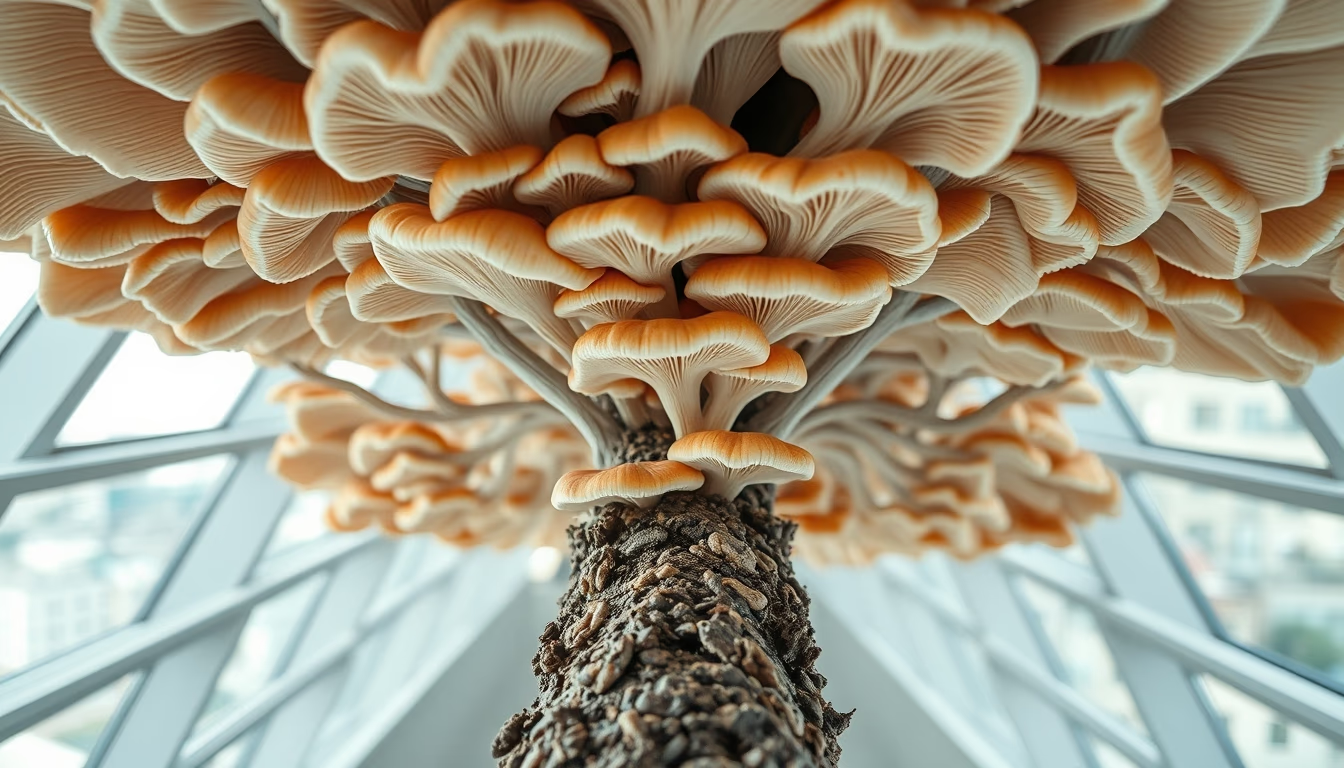
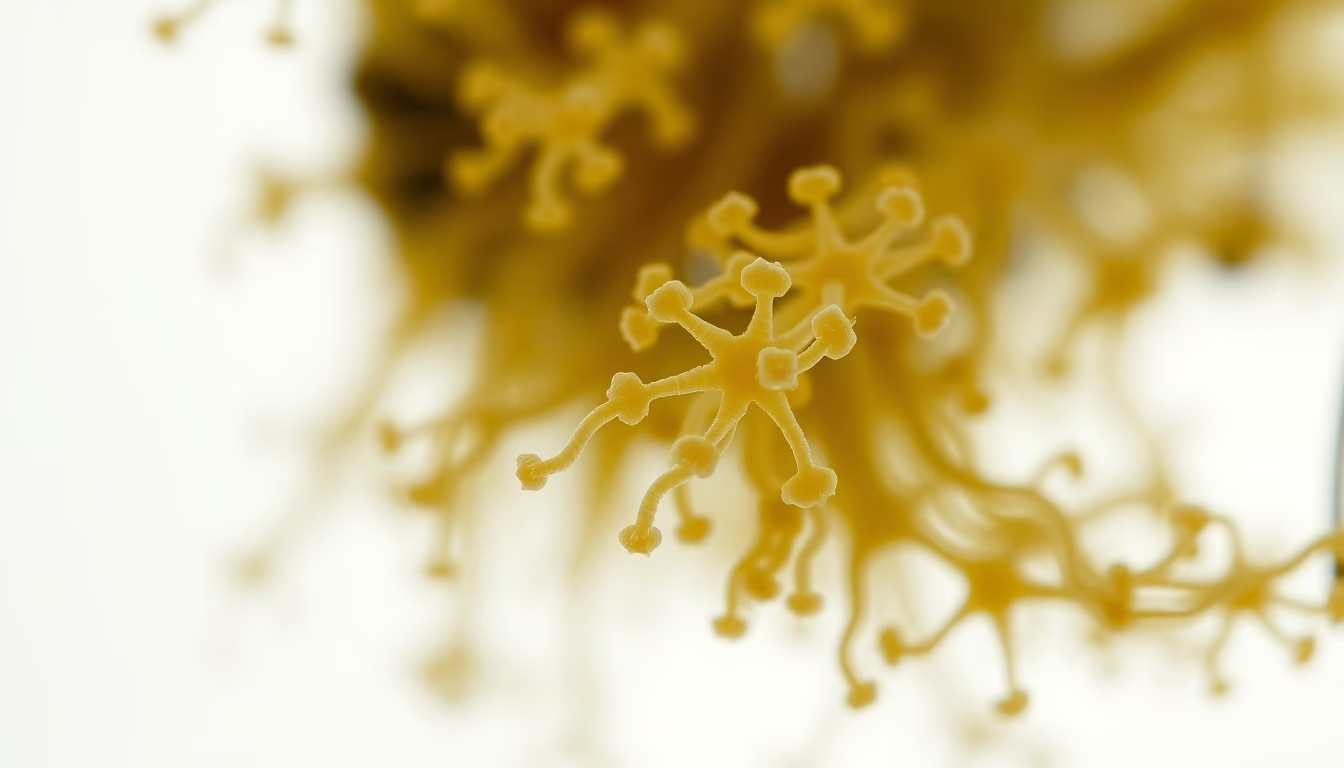
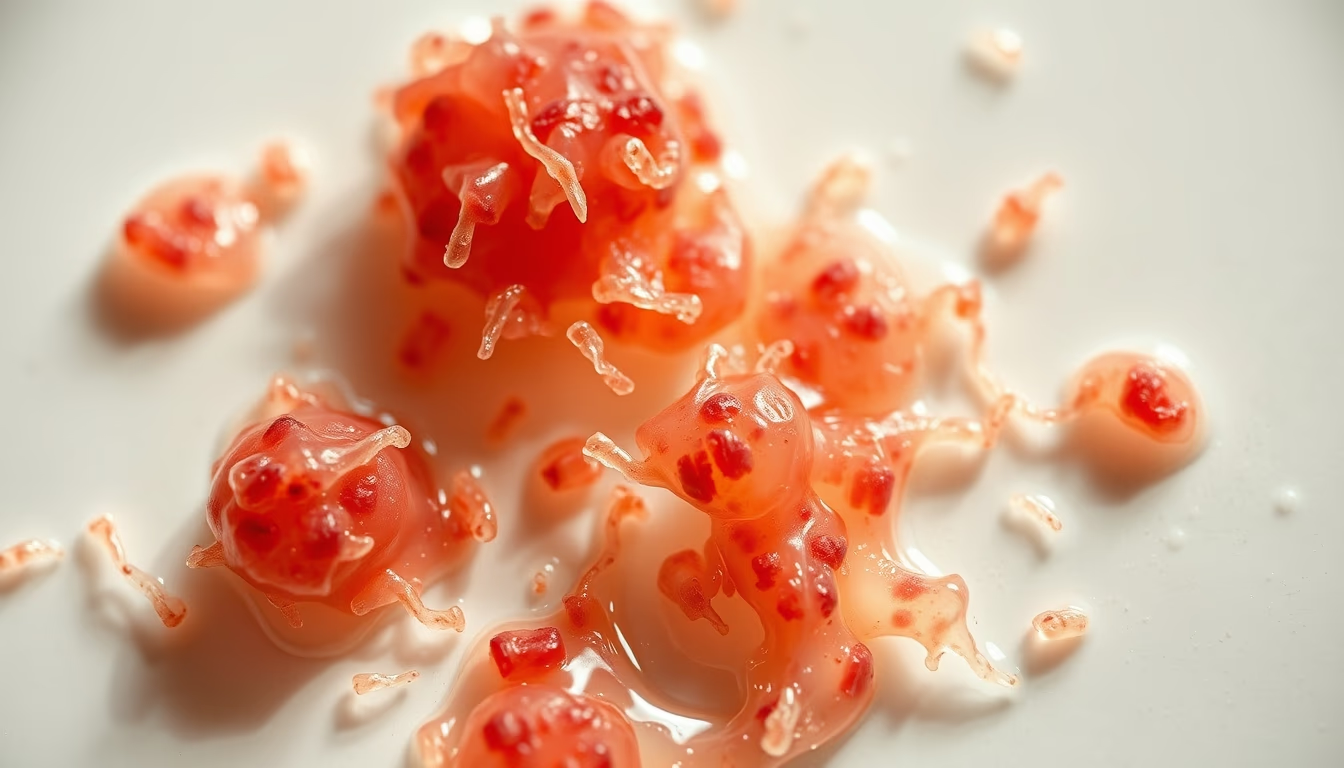
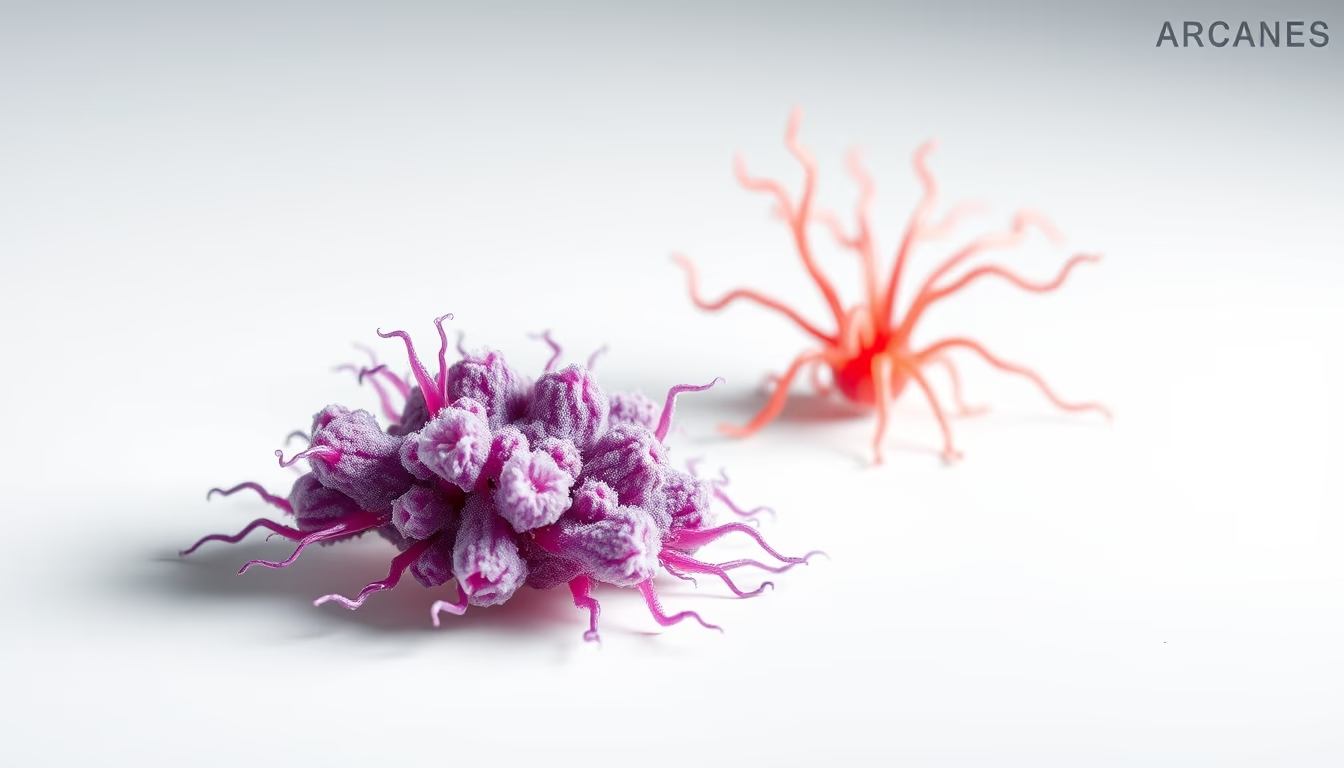
Biofilms are clusters of microorganisms, mainly bacteria, that attach to surfaces and secrete an extracellular matrix composed of polysaccharides, proteins, and DNA. This slimy substance, often called bacterial slime, protects the cells from environmental stresses such as disinfectants, UV radiation, and the immune system. Biofilm formation follows distinct steps: initial adhesion, colonization, maturation, and dispersal. A classic example is dental plaque, formed by Streptococcus mutans and other species in the mouth. In medicine, biofilms pose a major challenge by causing persistent infections on catheters, prosthetics, and heart valves. It is estimated that 80% of chronic bacterial infections worldwide are associated with biofilms. In the environment, biofilms play roles in bioremediation, degrading pollutants in wastewater treatment plants, but they can also corrode pipes and damage industrial equipment. An intriguing aspect is bacterial communication within biofilms, known as quorum sensing, which regulates matrix production and the expression of virulence factors. Scientists are studying quorum sensing inhibitors as potential alternatives to antibiotics for fighting infections. Electron microscopy reveals the three-dimensional structure of biofilms, featuring channels that deliver nutrients to deeper cells. Despite their slimy appearance, biofilms are highly organized and resilient communities.
Frequently Asked Questions
What is biofilm and why is it important in medicine?
Biofilm is a bacterial community encased in a slimy matrix. In medicine, it is important because it causes chronic infections on devices like catheters and prosthetics, and is resistant to antibiotics.
How does biofilm form?
Formation occurs in stages: initial adhesion to a surface, colonization, maturation (with matrix production), and dispersal of cells to new locations.
Can biofilm be beneficial?
Yes, in wastewater treatment plants, biofilms aid in bioremediation by degrading pollutants. In nature, they participate in biogeochemical cycles.
Direct URL
https://pub-c7d6a6ea828543ac903a74a341ccb2e1.r2.dev/imagens/biofilm-bacterial-slime-lo-fi-disposable-camera-fresh3.avifHow to credit
Include a visible link back to UtilizAí. Copy one of the snippets below:
<a href="https://xn--utiliza-eza.com/en/midia/imagens/biofilm-bacterial-slime-lo-fi-disposable-camera-fresh3">Biofilm bacterial slime</a> by <a href="https://xn--utiliza-eza.com">UtilizAí</a>, licensed under <a href="https://creativecommons.org/licenses/by/4.0/">CC BY 4.0</a>.
[Biofilm bacterial slime](https://xn--utiliza-eza.com/en/midia/imagens/biofilm-bacterial-slime-lo-fi-disposable-camera-fresh3) by [UtilizAí](https://xn--utiliza-eza.com), CC BY 4.0
License: CC-BY-4.0