Biofilm bacterial slime
1344×768 · AVIF · CC BY 4.0
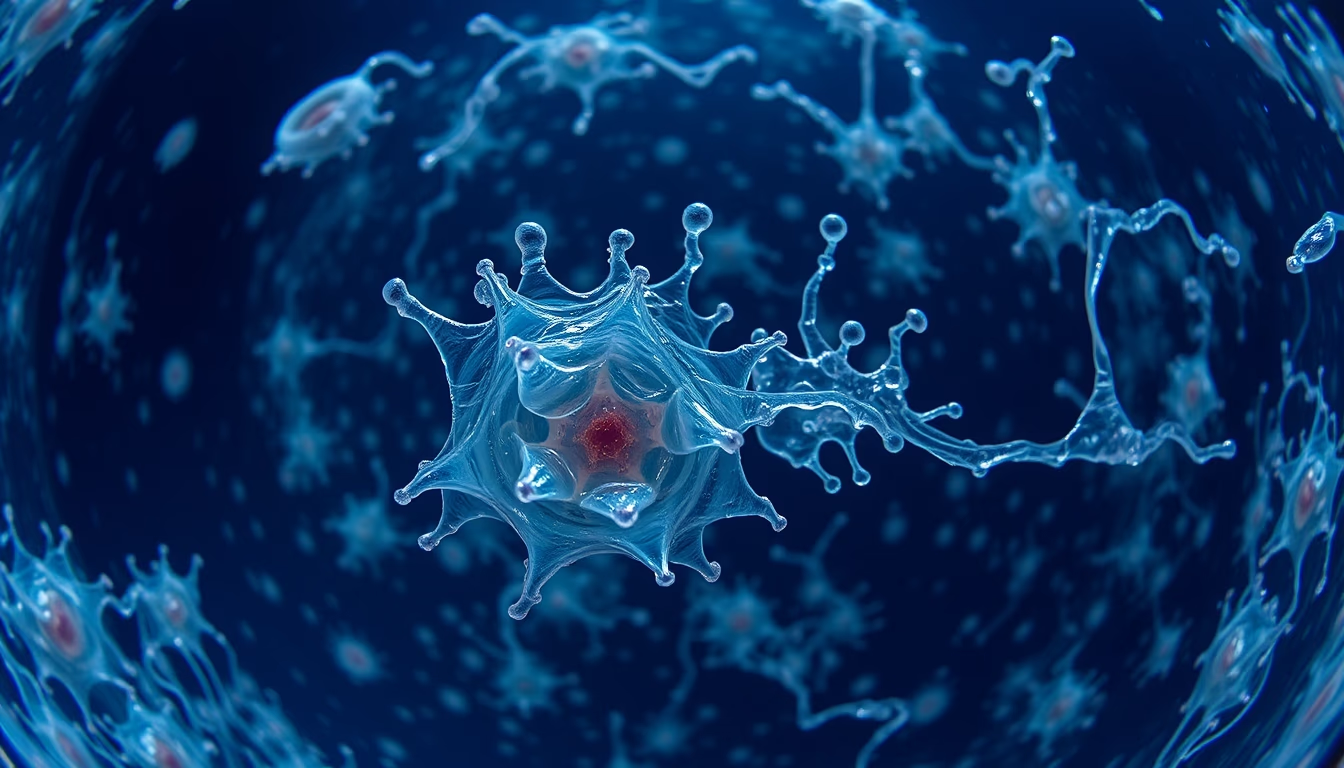
Bacterial biofilms are complex communities of microorganisms encased in a polymer matrix, crucial for bacterial survival and with major impact on health and industry.
About this subject
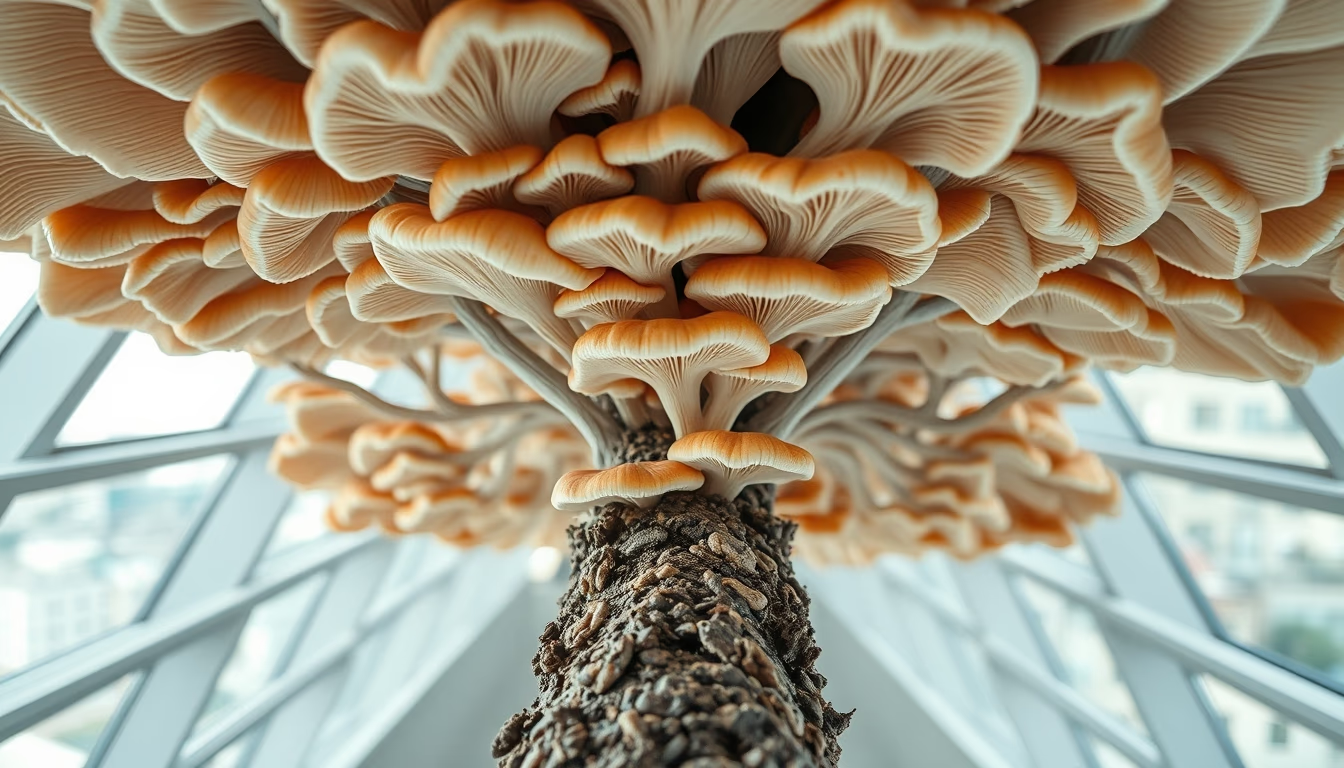
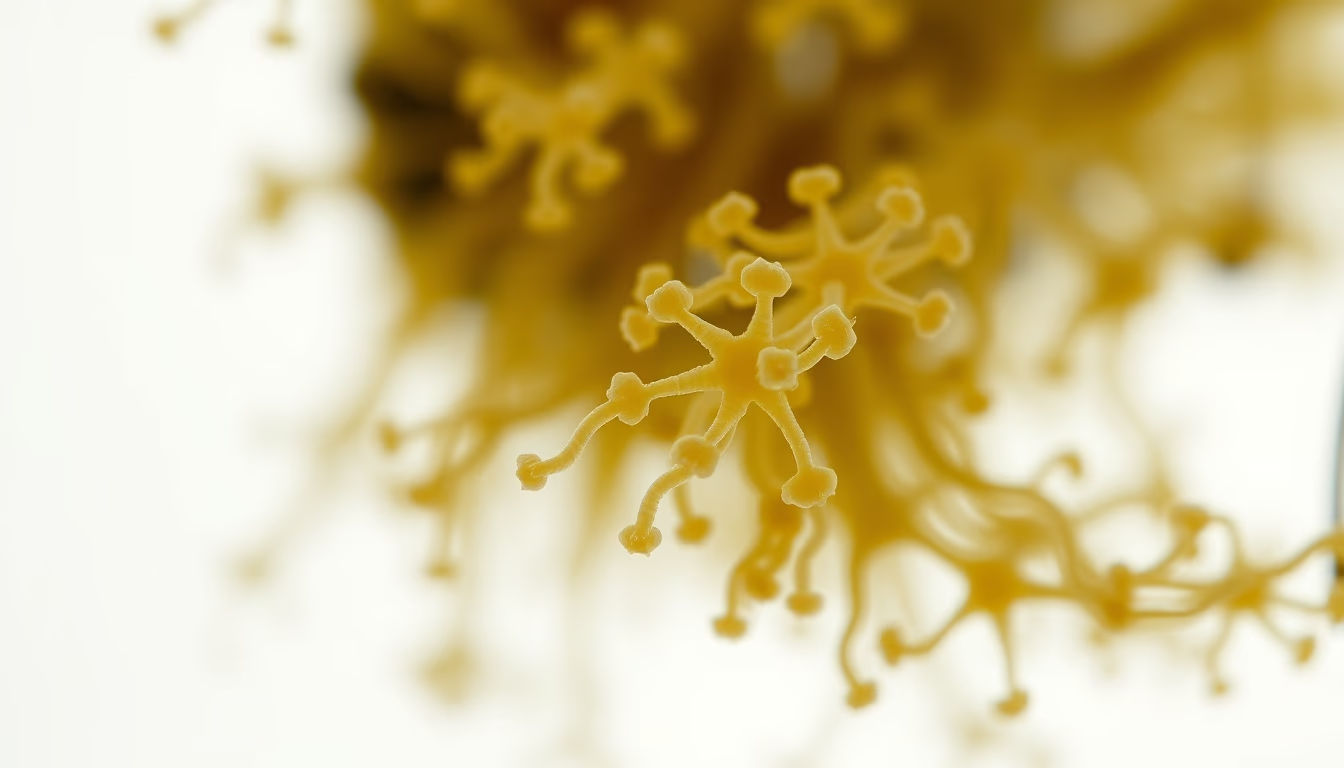
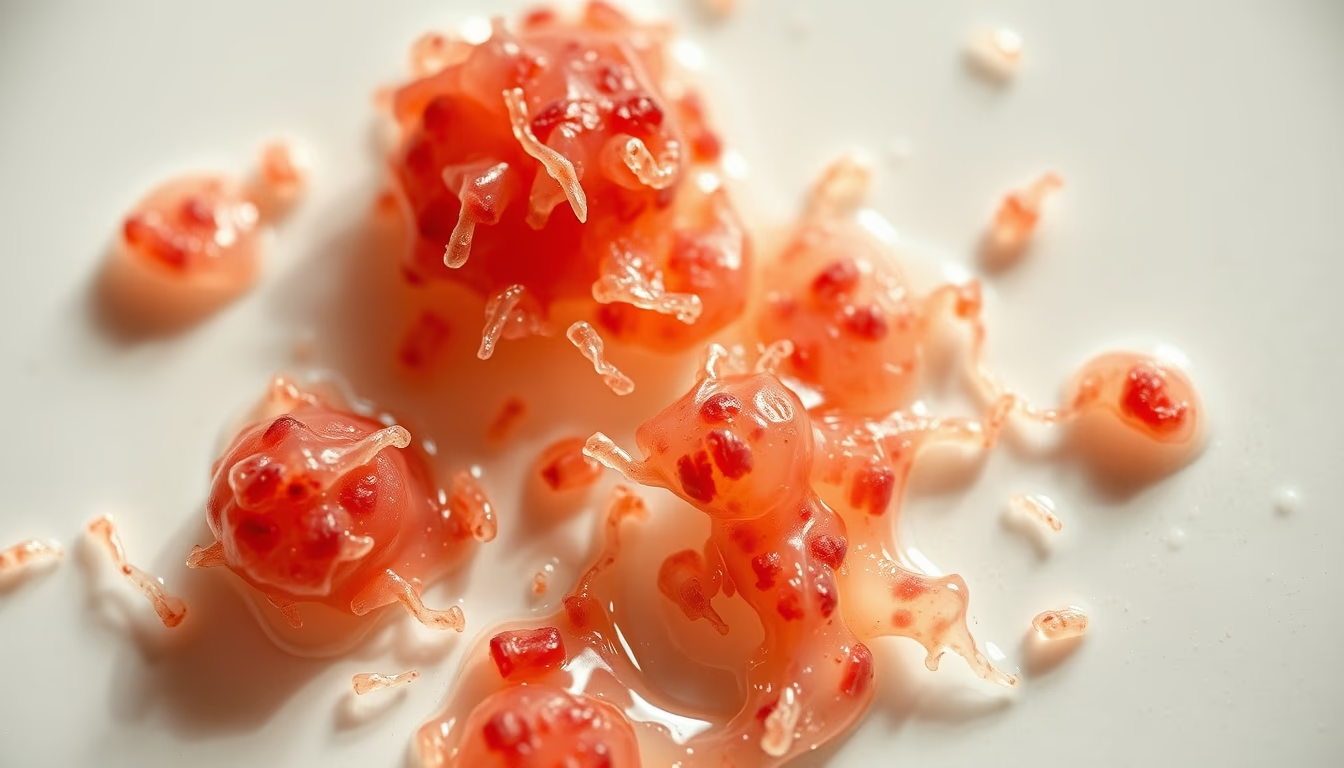
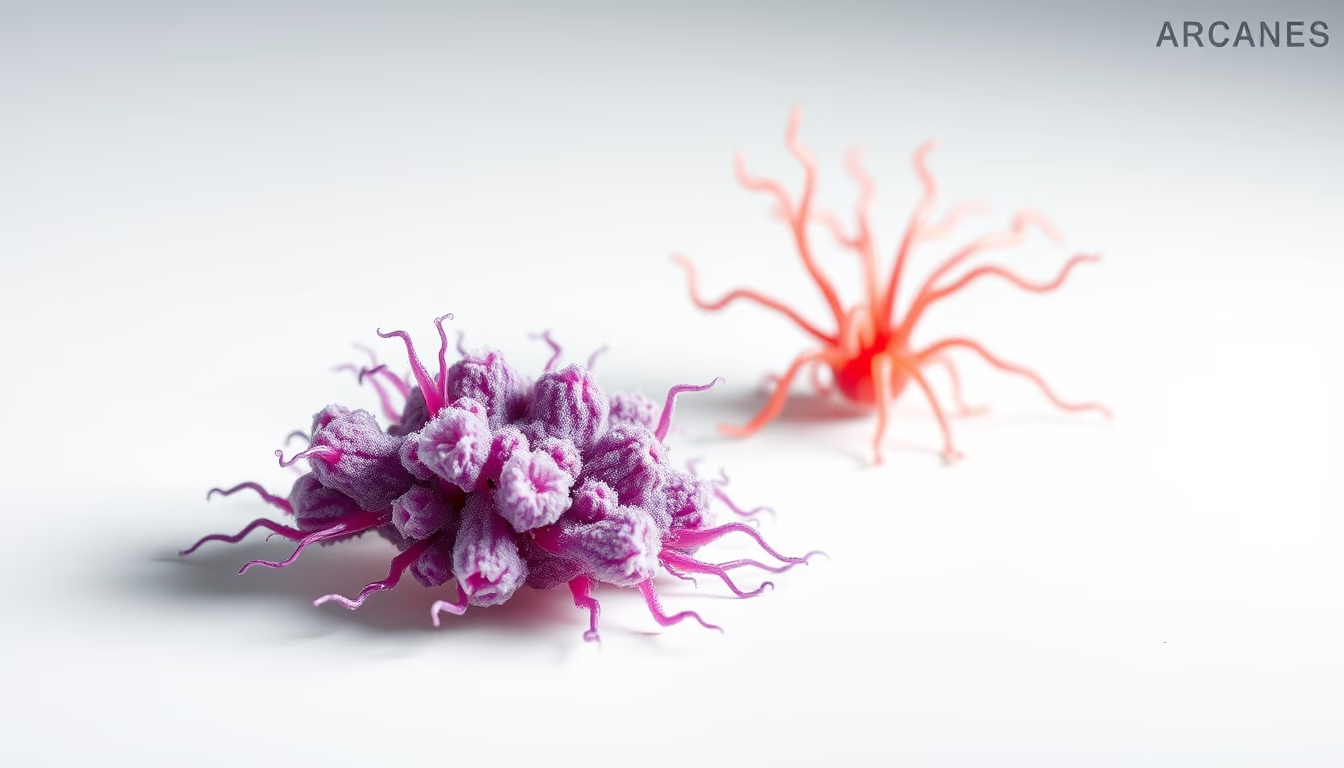
Bacterial biofilms are structures formed by communities of bacteria adhering to surfaces and encased in an extracellular matrix composed of polysaccharides, proteins, and DNA. This matrix acts as a protective barrier, conferring resistance to antibiotics, disinfectants, and the immune system. Biofilm formation occurs in stages: initial reversible adhesion, irreversible attachment, maturation, and dispersal.
In healthcare, biofilms are responsible for chronic and persistent infections, such as in wounds, pneumonia in cystic fibrosis patients, endocarditis, and infections associated with medical devices (catheters, prostheses). It is estimated that about 80% of bacterial infections in humans involve biofilms, making them a major clinical challenge due to their tolerance to conventional treatments.
Industrially, biofilms can cause problems like microbiological corrosion in pipelines, fouling in water systems, and contamination in food processing. Conversely, they are used beneficially in bioremediation, wastewater treatment, and biofuel production. The ability to form biofilms is a strategic survival mechanism for bacteria in harsh environments.
A notable curiosity is that biofilms often host multiple bacterial species that communicate via signaling molecules in a process called quorum sensing. The best-known example of a biofilm is dental plaque, formed on tooth surfaces. Current research aims to develop methods to inhibit biofilm formation or disrupt them, seeking novel antimicrobial therapies.
Frequently Asked Questions
What is a bacterial biofilm?
It is a community of bacteria attached to a surface and encased in a matrix of polymeric substances that protects them from external threats.
Why are biofilms resistant to antibiotics?
The extracellular matrix hinders antibiotic penetration, and cells inside may enter a low metabolic state, making them less susceptible.
Where are biofilms found?
In natural environments like rivers and rocks, in artificial systems such as pipes and medical implants, and in the human body, especially on teeth (dental plaque) and in lungs.
Direct URL
https://pub-c7d6a6ea828543ac903a74a341ccb2e1.r2.dev/imagens/biofilm-bacterial-slime-fish-eye-wide-angle-fresh7.avifHow to credit
Include a visible link back to UtilizAí. Copy one of the snippets below:
<a href="https://xn--utiliza-eza.com/en/midia/imagens/biofilm-bacterial-slime-fish-eye-wide-angle-fresh7">Biofilm bacterial slime</a> by <a href="https://xn--utiliza-eza.com">UtilizAí</a>, licensed under <a href="https://creativecommons.org/licenses/by/4.0/">CC BY 4.0</a>.
[Biofilm bacterial slime](https://xn--utiliza-eza.com/en/midia/imagens/biofilm-bacterial-slime-fish-eye-wide-angle-fresh7) by [UtilizAí](https://xn--utiliza-eza.com), CC BY 4.0
License: CC-BY-4.0