Biofilm bacterial slime
1344×768 · AVIF · CC BY 4.0
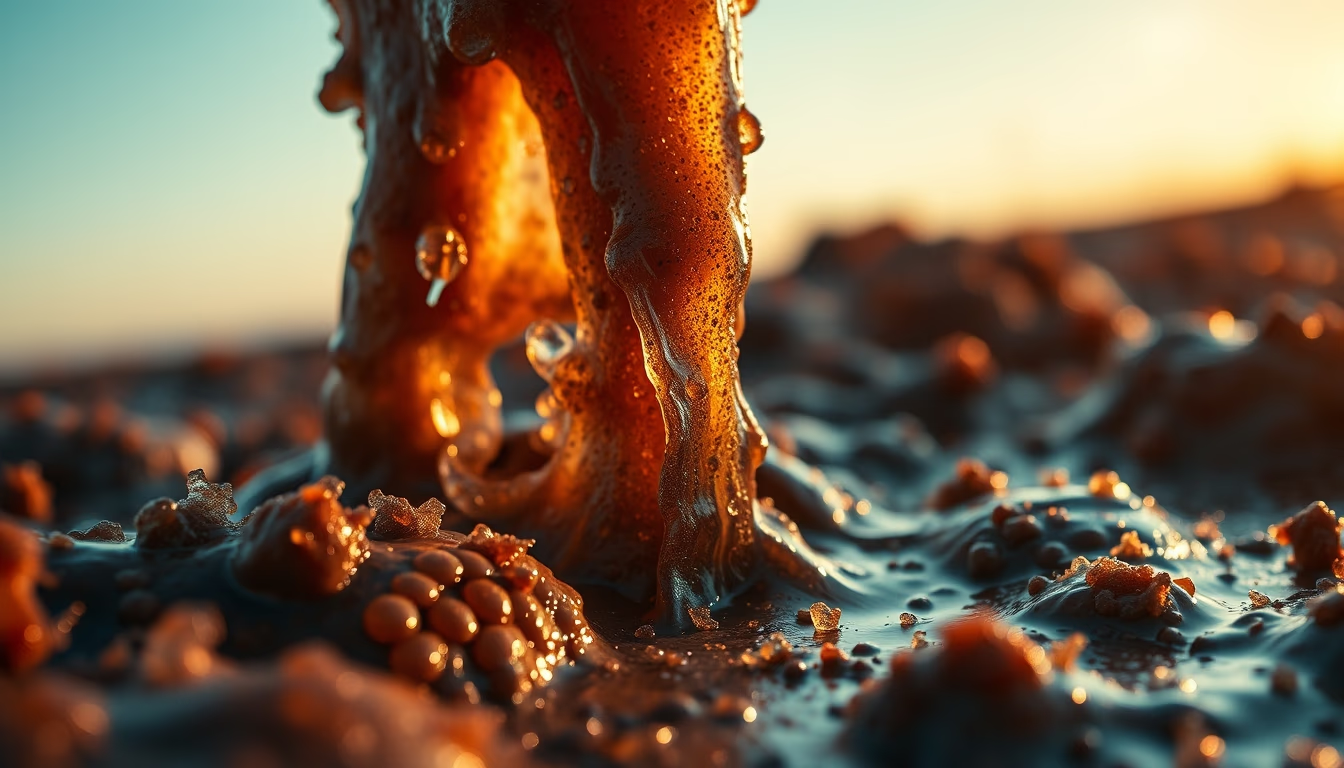
Bacterial biofilm, a structured community of microorganisms encased in a polymeric matrix, is vital in natural ecosystems, infections, and industrial processes.
About this subject
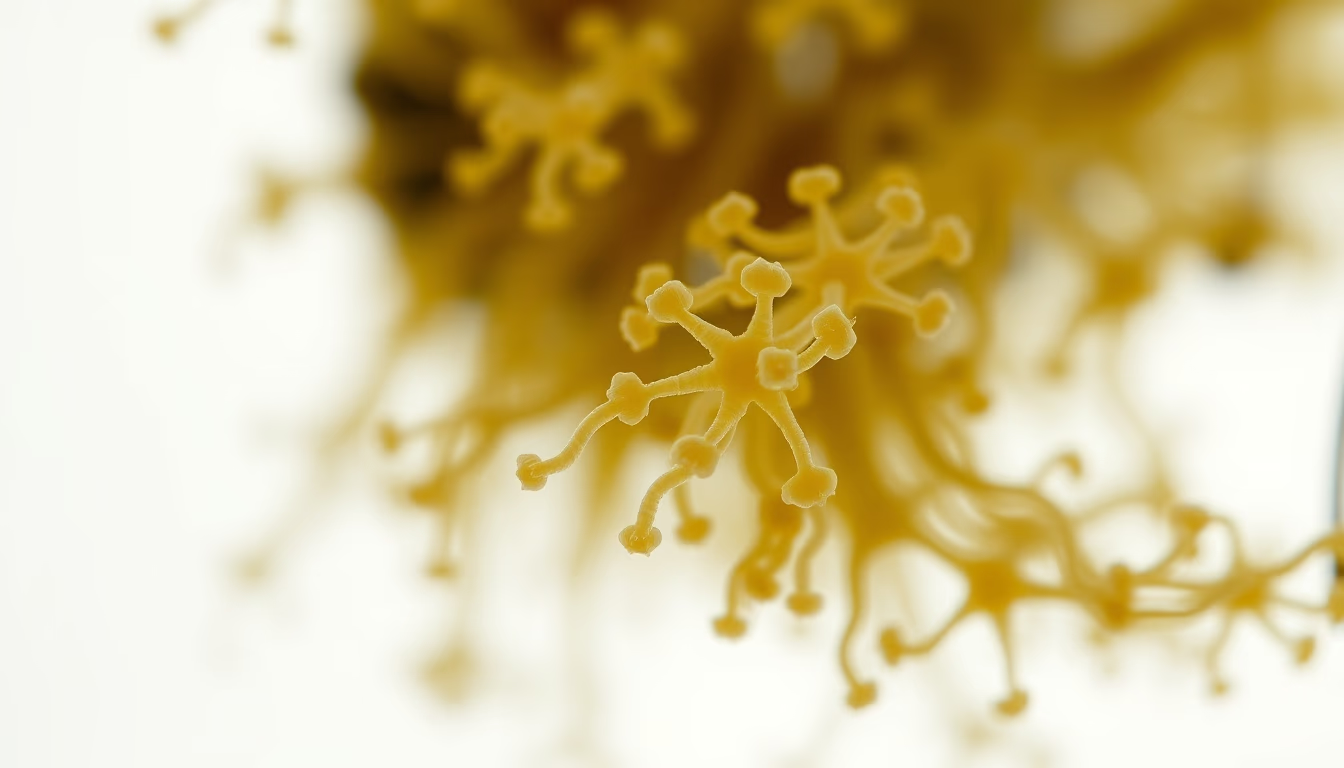
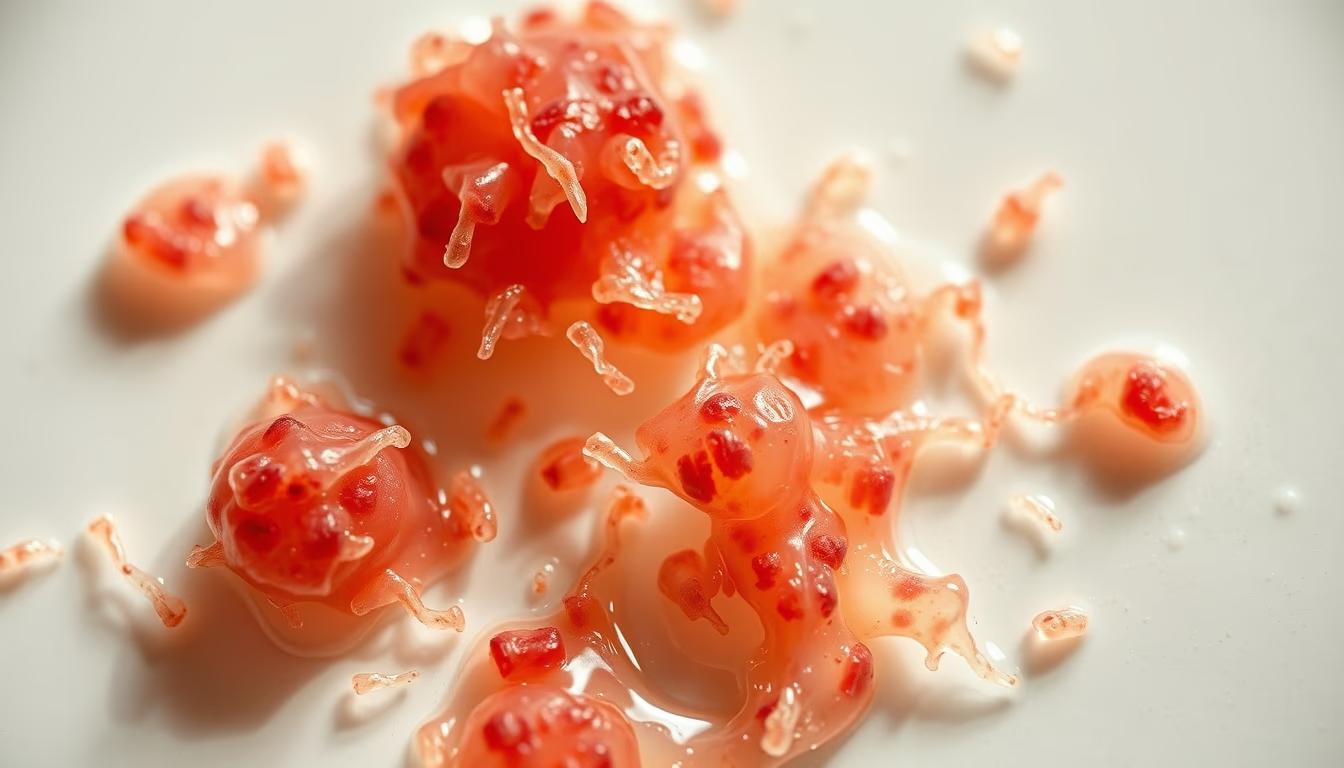
Bacterial biofilms are complex communities of microorganisms adhered to surfaces, encased in an extracellular matrix composed of polysaccharides, proteins, and DNA. This matrix, responsible for the slimy consistency of biofilms, protects bacteria against environmental stresses, antibiotics, and immune responses. Biofilm formation is a dynamic process beginning with planktonic cell attachment to a surface, followed by matrix production and maturation, culminating in cell dispersal to colonize new sites.
Found in virtually all environments, biofilms play key ecological roles such as nutrient cycling in rivers and oceans. In medicine, they are linked to chronic infections: from dental plaque to infections on catheters and prostheses. The intrinsic resistance of biofilms to antimicrobials poses a major clinical challenge, requiring specific therapeutic strategies such as bacteriophages or matrix-degrading enzymes.
In industry, biofilms can cause pipeline corrosion, water system contamination, and food spoilage. Conversely, they are harnessed in bioremediation and wastewater treatment, where biofilms efficiently degrade pollutants. Current research aims to control biofilm formation without environmental damage, using signaling molecules or anti-adhesive surfaces.
Frequently Asked Questions
What is a bacterial biofilm?
It is a community of bacteria attached to a surface, encased in a slimy matrix of polysaccharides, proteins, and DNA. This structure protects the bacteria and allows them to resist antibiotics and the immune system.
Where are biofilms found?
In natural environments (rocks, rivers), in the human body (dental plaque, infections), and on industrial surfaces (pipes, water systems). They are ubiquitous.
Why are biofilms difficult to treat?
The extracellular matrix acts as a barrier, and bacteria within the biofilm enter a low metabolic state, making them resistant to conventional antibiotics. Thus, biofilm infections are chronic and recurrent.
Direct URL
https://pub-c7d6a6ea828543ac903a74a341ccb2e1.r2.dev/imagens/biofilm-bacterial-slime-cinematic-wide-shot-fresh11.avifHow to credit
Include a visible link back to UtilizAí. Copy one of the snippets below:
<a href="https://xn--utiliza-eza.com/en/midia/imagens/biofilm-bacterial-slime-cinematic-wide-shot-fresh11">Biofilm bacterial slime</a> by <a href="https://xn--utiliza-eza.com">UtilizAí</a>, licensed under <a href="https://creativecommons.org/licenses/by/4.0/">CC BY 4.0</a>.
[Biofilm bacterial slime](https://xn--utiliza-eza.com/en/midia/imagens/biofilm-bacterial-slime-cinematic-wide-shot-fresh11) by [UtilizAí](https://xn--utiliza-eza.com), CC BY 4.0
License: CC-BY-4.0