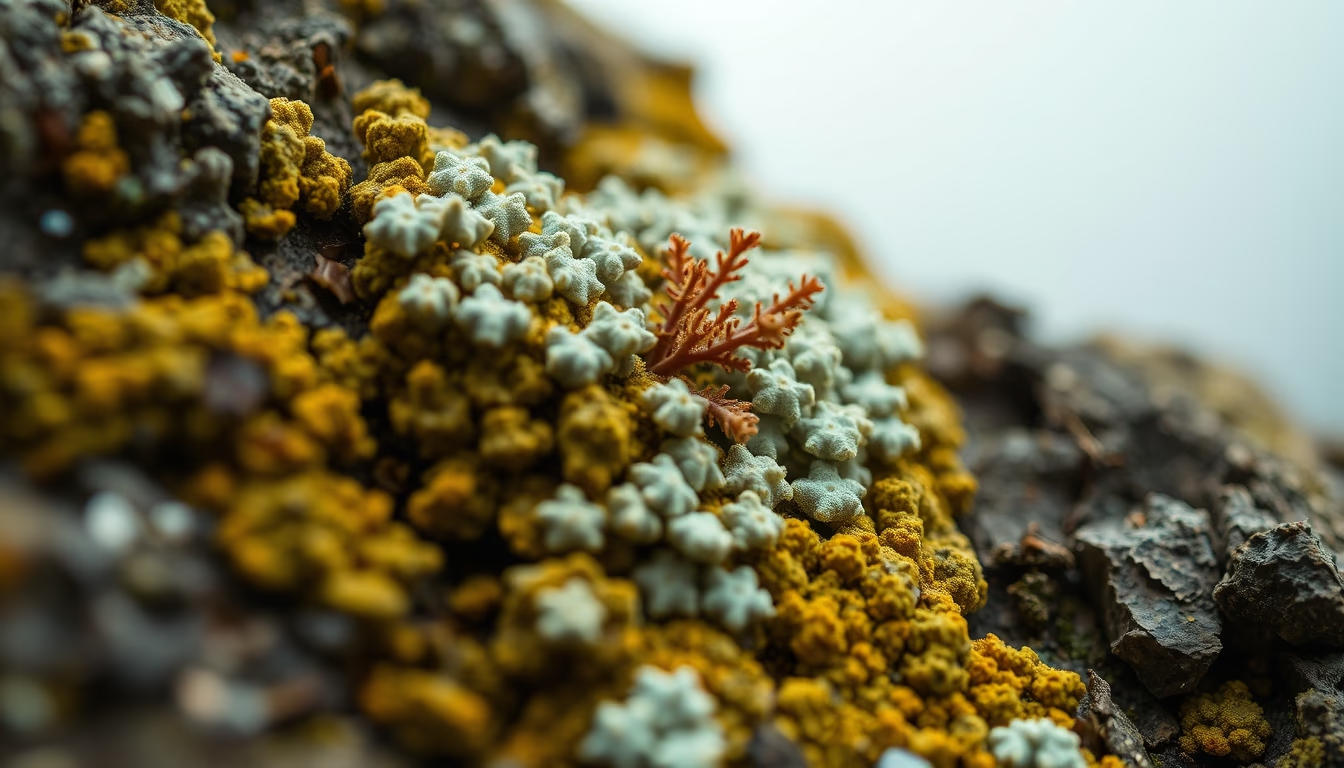
Biofilm bacterial slime
1344×768 · AVIF · CC BY 4.0

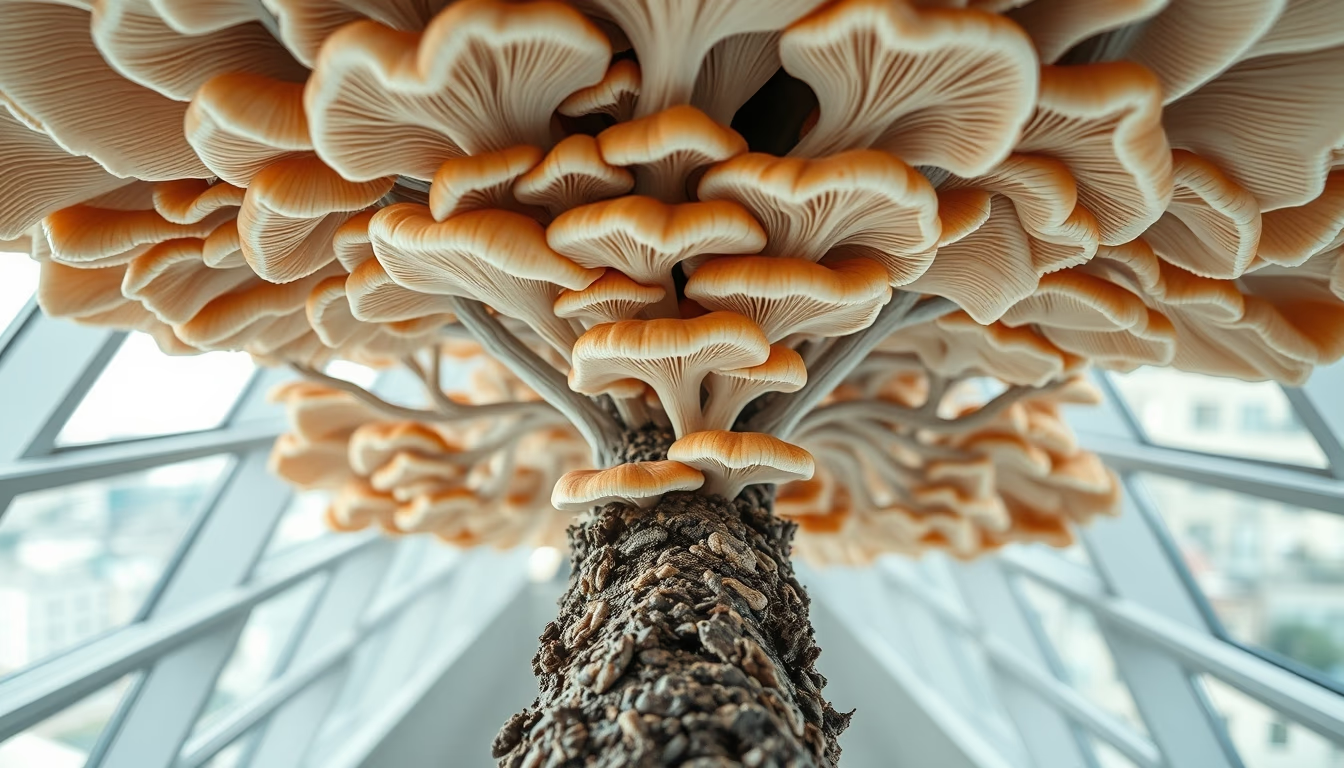
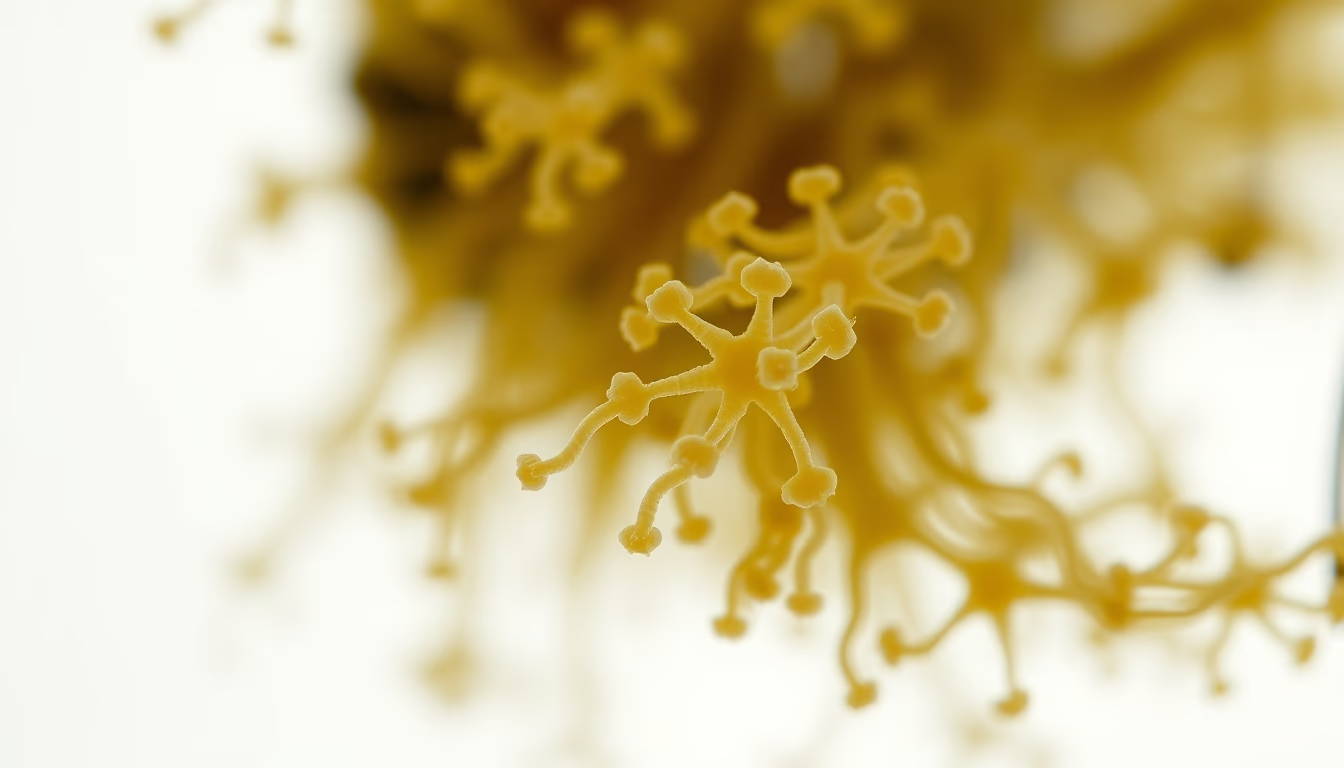
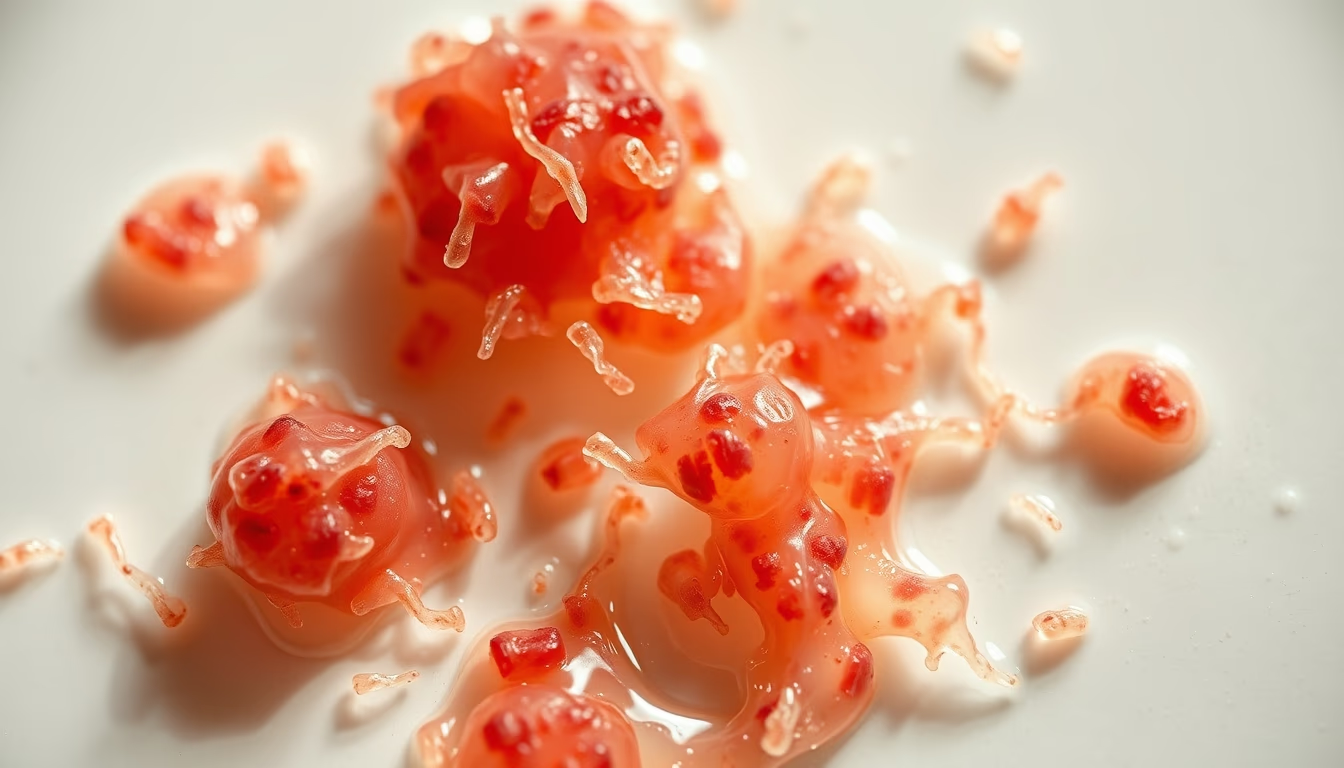
Bacterial biofilms are complex communities of microorganisms embedded in a polymeric matrix, causing health and industrial problems.
About this subject
Bacterial biofilms represent a collective form of life where bacteria aggregate on surfaces, secreting an extracellular polymeric substance (EPS) composed of polysaccharides, proteins, and DNA. This matrix protects cells against antibiotics, disinfectants, and the immune system, making biofilm-associated infections difficult to eradicate. It is estimated that 80% of chronic bacterial infections, such as those occurring in orthopedic implants, catheters, and heart valves, involve biofilms.
In the environment, biofilms are ubiquitous: in rivers, water pipes, cooling systems, and even dental plaques. In industry, they cause biofouling, pipe clogging, and microbiologically influenced corrosion, leading to billion-dollar losses annually. Research seeks strategies to inhibit biofilm formation, such as using enzymes that degrade the matrix or applying anti-adhesive coatings.
Interestingly, the concept of biofilm was formalized in the 1970s by Bill Costerton, but similar structures were already observed by Antonie van Leeuwenhoek in the 17th century from scrapings of his own teeth. Biofilm resistance is multifactorial: physical barrier, reduced metabolic state, and genetic exchange among cells increase tolerance to biocides.
Frequently Asked Questions
Is biofilm always harmful?
No. Although associated with infections and fouling, biofilms also have beneficial applications, such as in wastewater treatment and fermented food production.
How do biofilms form?
Formation occurs in stages: reversible adhesion, irreversible adhesion, maturation, and dispersion. Factors like surface, nutrients, and chemical signals (quorum sensing) regulate the process.
Why are biofilms resistant to antibiotics?
The EPS matrix acts as a barrier, dormant cells tolerate drugs, and genetic diversity through horizontal transfer facilitates resistance.
Direct URL
https://pub-c7d6a6ea828543ac903a74a341ccb2e1.r2.dev/imagens/biofilm-bacterial-slime-architectural-photography-fresh1.avifHow to credit
Include a visible link back to UtilizAí. Copy one of the snippets below:
<a href="https://xn--utiliza-eza.com/en/midia/imagens/biofilm-bacterial-slime-architectural-photography-fresh1">Biofilm bacterial slime</a> by <a href="https://xn--utiliza-eza.com">UtilizAí</a>, licensed under <a href="https://creativecommons.org/licenses/by/4.0/">CC BY 4.0</a>.
[Biofilm bacterial slime](https://xn--utiliza-eza.com/en/midia/imagens/biofilm-bacterial-slime-architectural-photography-fresh1) by [UtilizAí](https://xn--utiliza-eza.com), CC BY 4.0
License: CC-BY-4.0