Beppu hot springs
1344×768 · AVIF · CC BY 4.0
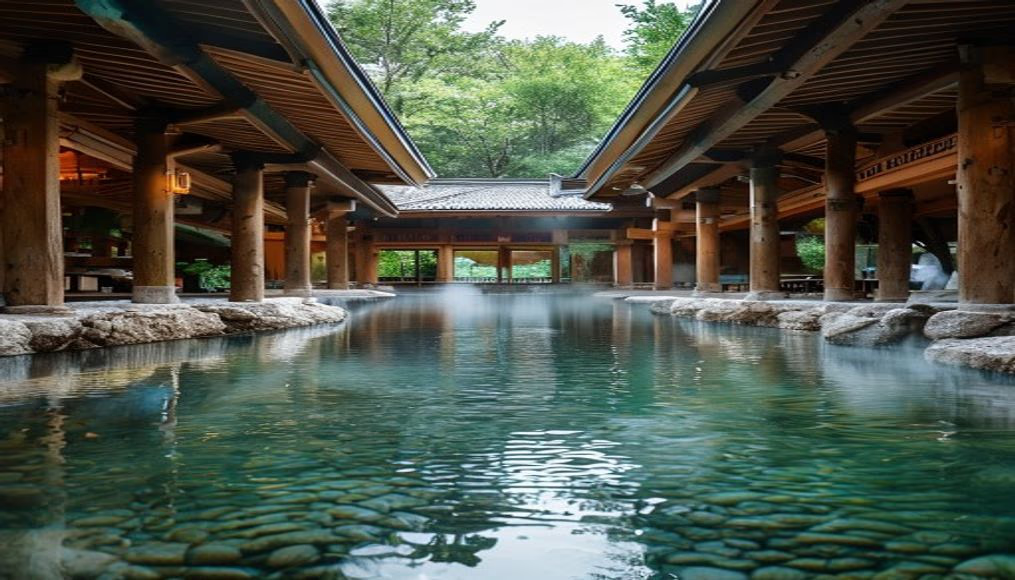
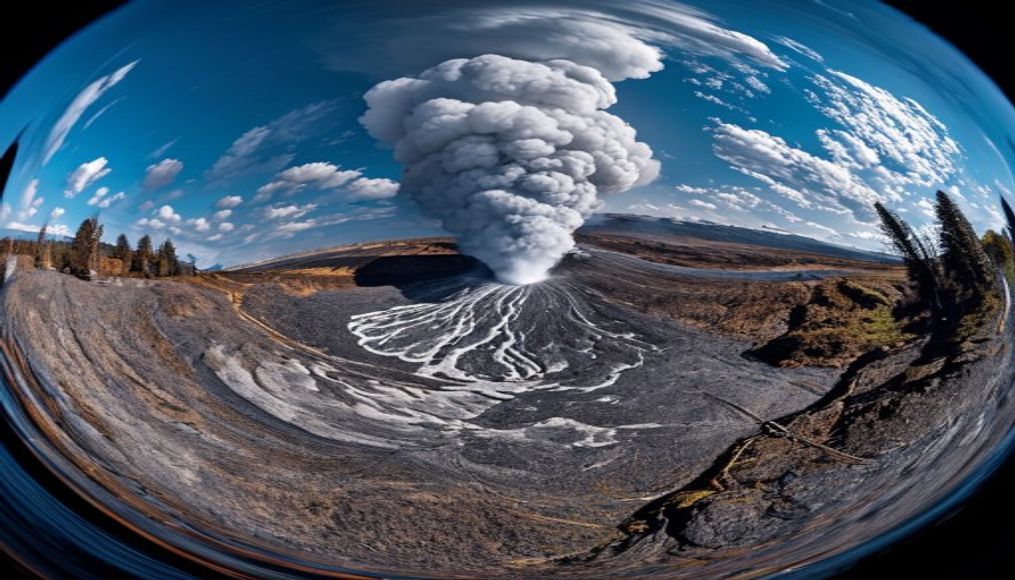
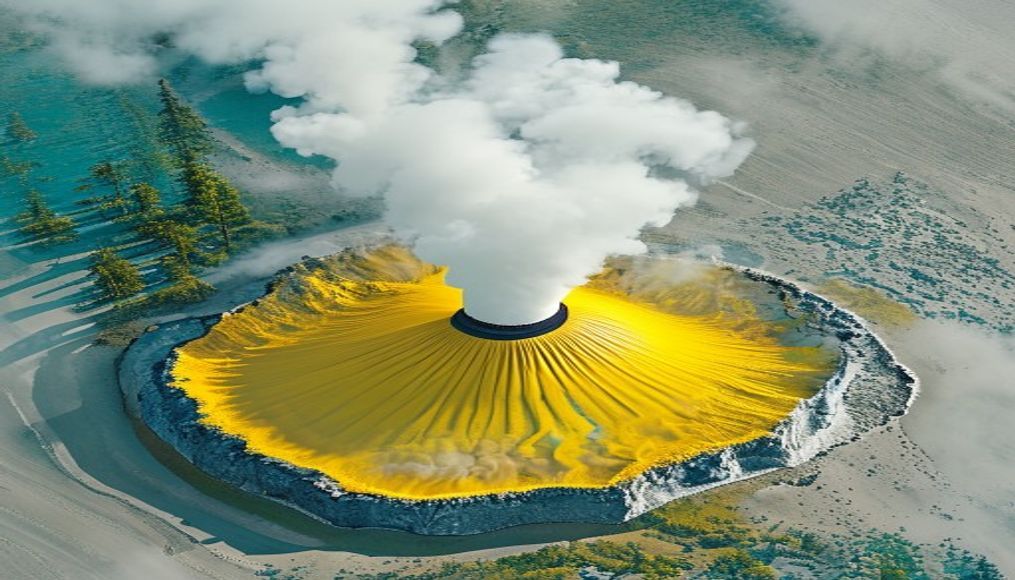
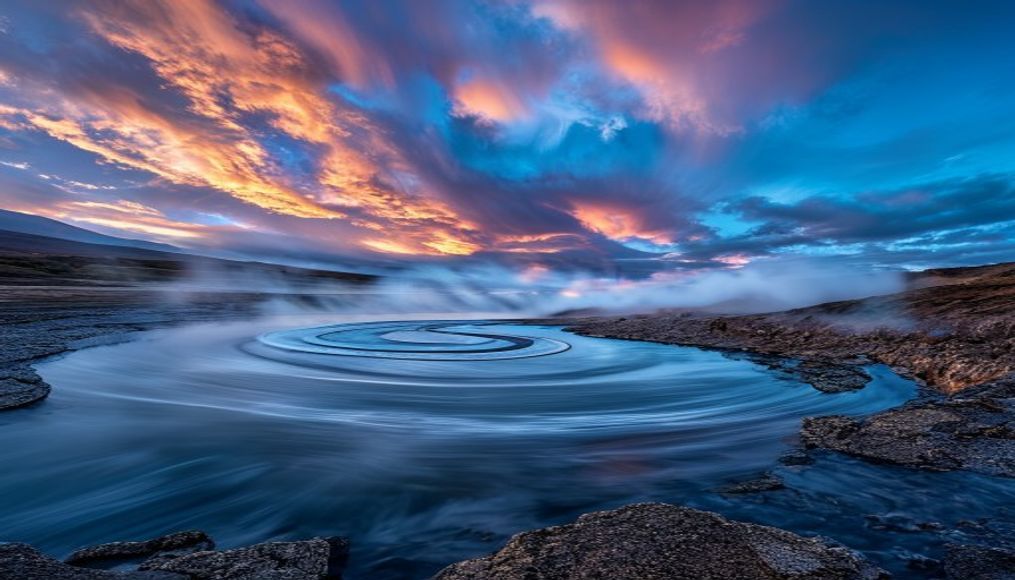
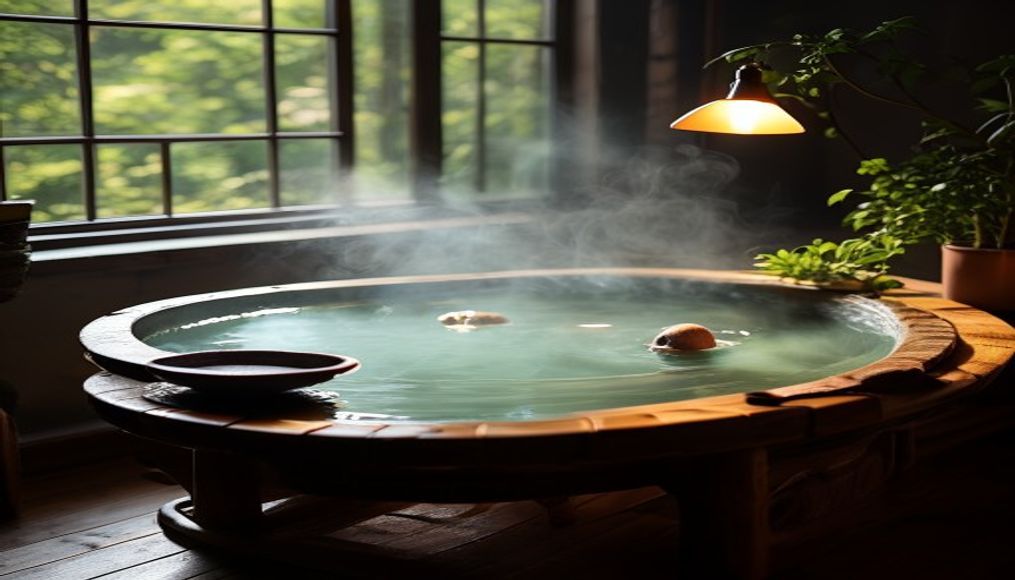
Beppu's hot springs in Japan boast the highest volume of hot spring water in the country and feature nine 'hells' for sightseeing.
About this subject
Beppu is a city located in Oita Prefecture on Kyushu Island, Japan, globally renowned for its extraordinary concentration of hot springs. With over 2,500 sources, Beppu produces the largest volume of hot spring water in Japan, about 130 million liters per day. This abundance has fostered a unique thermal culture that attracts millions of visitors each year.
The most iconic attractions are the nine "hells" (jigoku), hot springs with striking colors and characteristics, such as Umi Jigoku (Sea Hell) with turquoise-blue water and Chinoike Jigoku (Blood Pond Hell) with a reddish hue due to iron oxide. These springs are not suitable for bathing but are surrounded by temples and gardens that enhance the experience. The architecture of traditional bathhouses, like Takegawara built in Meiji style, is also a major draw.
The hot spring history of Beppu dates back over 1,000 years, with records of use since the Heian period. During the Edo period, the area became a renowned spa resort for samurai and merchants. Today, Beppu offers more than 200 ryokans and hotels with private baths, as well as traditional public baths called "sento." The city also holds seasonal festivals celebrating thermal water, such as the Beppu Hatto Onsen Matsuri.
Geologically, Beppu's hot springs are fed by heat from Mount Tsurumi volcano and a groundwater aquifer heated by magma. Water temperatures range from 30°C to 100°C with varying chemical compositions including sulfur, sodium chloride, and bicarbonate. This diversity enables treatments for various health conditions, and the Japanese onsen tradition is recognized as part of intangible cultural heritage.
Frequently Asked Questions
What are the main 'hells' of Beppu and why are they famous?
The nine hells (jigoku) are tourist hot springs not for bathing, famous for their colors and natural phenomena. Examples include Umi Jigoku (turquoise-blue) and Chinoike Jigoku (blood-red), plus Oniishibou Jigoku which spews bubbling mud.
Can you bathe in all hot springs in Beppu?
No. Many springs, like the jigoku, are for viewing only. However, Beppu has hundreds of bathing facilities, from luxury ryokans to public sentos, where you can enter. Thermal water is piped to these locations.
What is the best time to visit the Beppu hot springs?
Beppu can be visited year-round. Winter (December to February) is ideal for enjoying the contrast of hot steam with cold air. Spring and autumn offer flower and foliage views, while summer is lively with festivals.
Direct URL
https://pub-c7d6a6ea828543ac903a74a341ccb2e1.r2.dev/imagens/beppu-hot-springs-architectural-photography-p1.avifHow to credit
Include a visible link back to UtilizAí. Copy one of the snippets below:
<a href="https://xn--utiliza-eza.com/en/midia/imagens/beppu-hot-springs-architectural-photography-p1">Beppu hot springs</a> by <a href="https://xn--utiliza-eza.com">UtilizAí</a>, licensed under <a href="https://creativecommons.org/licenses/by/4.0/">CC BY 4.0</a>.
[Beppu hot springs](https://xn--utiliza-eza.com/en/midia/imagens/beppu-hot-springs-architectural-photography-p1) by [UtilizAí](https://xn--utiliza-eza.com), CC BY 4.0
License: CC-BY-4.0