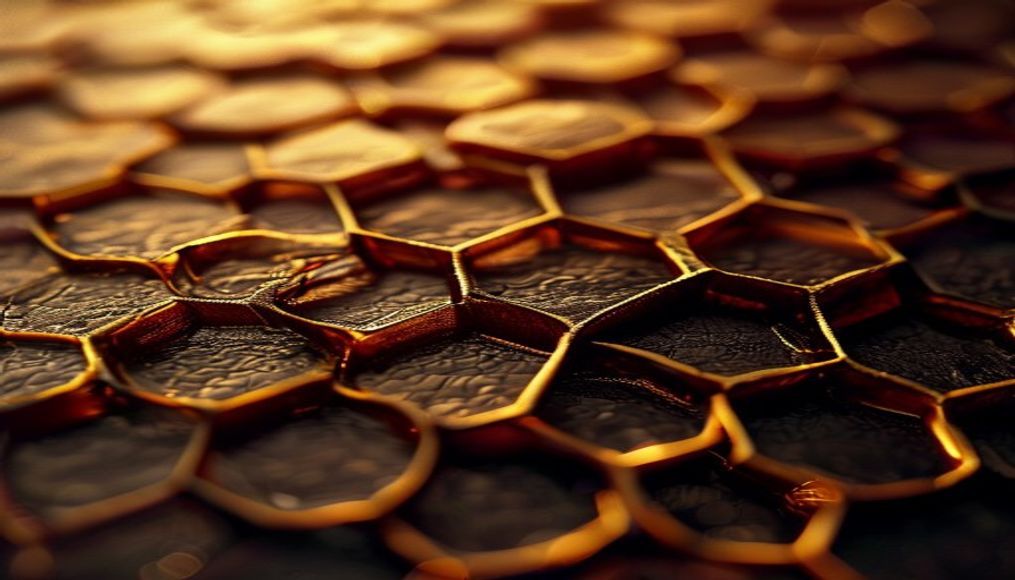
Beekeeper smoker tool no person
1344×768 · AVIF · CC BY 4.0
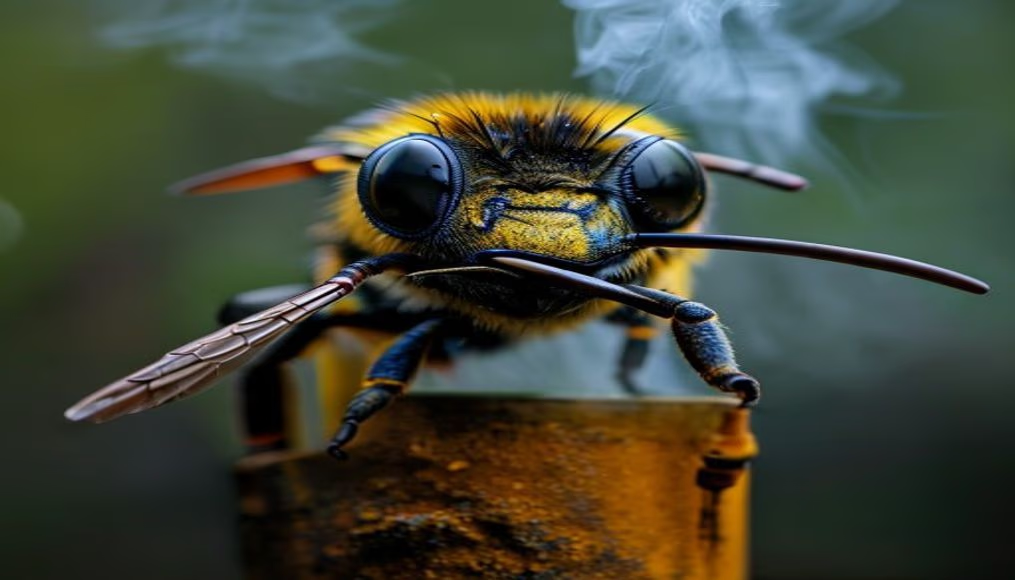
An essential tool in beekeeping, the bee smoker produces cool smoke to calm honey bees during hive inspections and honey harvesting.
About this subject
The bee smoker is a metal device comprising a bellows, a combustion chamber, and a nozzle. Its operation is straightforward: the beekeeper lights fuel inside the chamber and pumps the bellows to produce smoke, which exits through the nozzle. When applied at the hive entrance or directly onto frames, the smoke disrupts the bees' communication of alarm pheromones, causing them to engorge on honey and become less defensive.
Historical records show that smoke was used in beekeeping since ancient times, by Egyptians, Greeks, and Romans. The modern bee smoker was patented in 1878 by Moses Quinby, an American beekeeping pioneer. His design proved so effective that it remains largely unchanged. Today’s smokers are made from stainless steel, copper, or galvanized steel, with varying nozzle shapes to control smoke dispersion.
Fuel selection is critical: beekeepers favor materials that produce cool, non-toxic smoke, such as untreated wood shavings, dry leaves, corrugated cardboard, or wood pellets. Overly hot fuel can harm bees or melt wax. The smoker is vital for routine hive inspections, swarm capture, and honey extraction, ensuring safe handling for both beekeeper and bees.
The bee smoker has become an iconic symbol of apiculture, often depicted alongside the beekeeper’s veil. In the context of global pollination efforts, proper use of tools like the smoker supports colony health and agricultural productivity, helping to maintain the essential service that honey bees provide to ecosystems and crops worldwide.
Frequently Asked Questions
How does a bee smoker work?
The bee smoker burns organic fuel inside a chamber. By pumping the bellows, air is forced into the chamber, producing smoke that exits through the spout. When applied, the smoke masks alarm pheromones, calming the bees and causing them to fill their honey stomachs.
What fuel is best for a bee smoker?
Ideal fuels produce cool, non-toxic smoke: untreated wood shavings, dry leaves, corrugated cardboard, straw, or wood pellets. Avoid plastics or treated wood, as they release harmful chemicals.
Why does smoke calm bees?
Smoke interferes with bees' olfactory communication, masking alarm pheromones. It also triggers an instinctive response: bees engorge on honey in case they need to abandon the hive, becoming slower and less aggressive.
Direct URL
https://pub-c7d6a6ea828543ac903a74a341ccb2e1.r2.dev/imagens/beekeeper-smoker-tool-no-person-macro-closeup-p3.avifHow to credit
Include a visible link back to UtilizAí. Copy one of the snippets below:
<a href="https://xn--utiliza-eza.com/en/midia/imagens/beekeeper-smoker-tool-no-person-macro-closeup-p3">Beekeeper smoker tool no person</a> by <a href="https://xn--utiliza-eza.com">UtilizAí</a>, licensed under <a href="https://creativecommons.org/licenses/by/4.0/">CC BY 4.0</a>.
[Beekeeper smoker tool no person](https://xn--utiliza-eza.com/en/midia/imagens/beekeeper-smoker-tool-no-person-macro-closeup-p3) by [UtilizAí](https://xn--utiliza-eza.com), CC BY 4.0
License: CC-BY-4.0