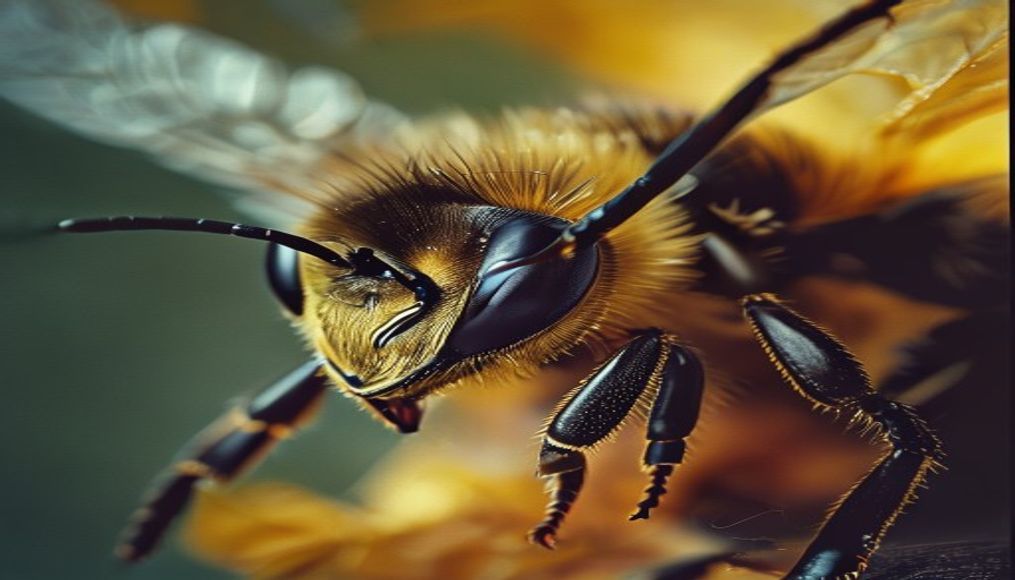
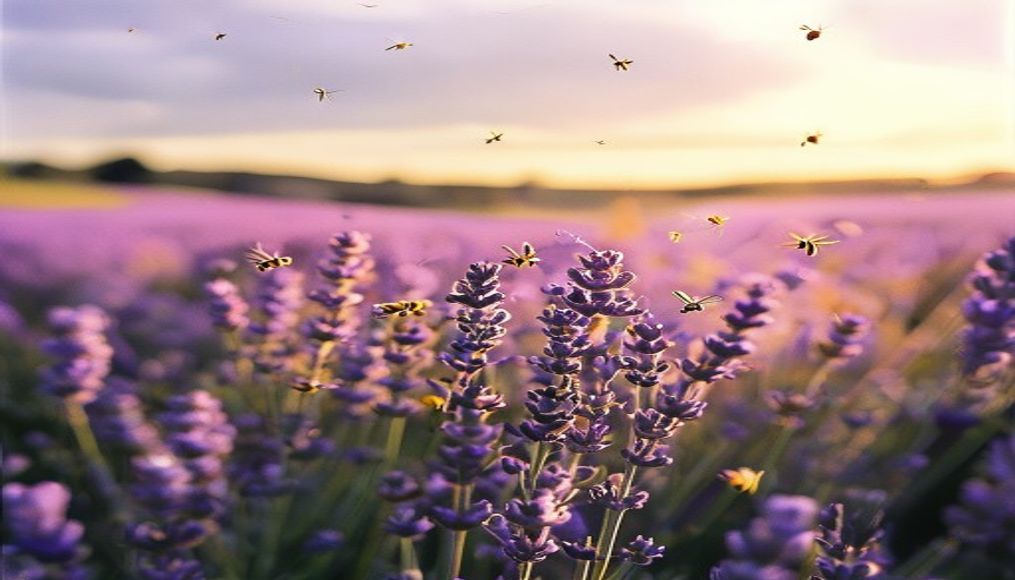
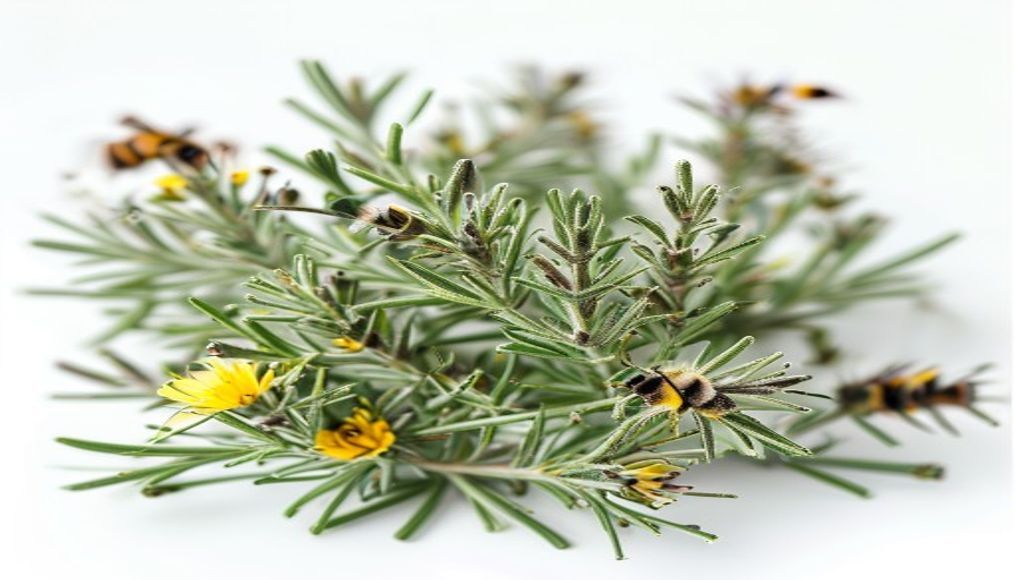
Beekeeper smoker tool no person
1344×768 · AVIF · CC BY 4.0
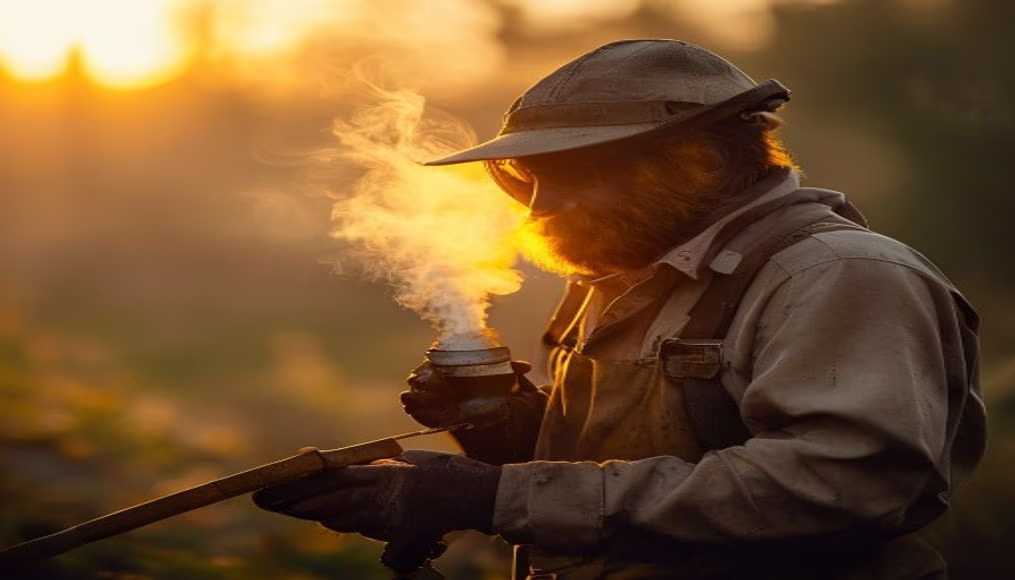
The beekeeping smoker is an essential tool for beekeepers, calming bees during hive inspections and management.
About this subject
The beekeeping smoker, also known as a bee smoker, is a metallic device that burns fuel such as dry leaves, sawdust, or cardboard to produce cool smoke. This smoke interferes with the alarm pheromones of bees, reducing colony aggression and allowing the beekeeper to work safely. The modern smoker was invented by American apiculturist Lorenzo Langstroth in 1852, who patented a model with attached bellows, although ancient Chinese and Egyptians already used smoke to manage hives.
The tool consists of a cylinder with a conical lid and a bellows system that directs air into the combustion chamber. The nozzle shape allows smoke to be applied directly to the hive entrance or between frames. The most common fuel is pine sawdust or dry grass, which burns slowly and produces dense, cool smoke. Hot smoke or smoke with large particles can burn bees and their comb, so it is important to use materials that generate smoke below 40°C.
Culturally, the smoker represents human mastery over domesticated bees, fundamental for honey and wax production. In sustainable beekeeping, known as wave pollinations, careful use of the smoker is part of ethical management that respects the natural cycle of colonies. Interestingly, smoke does not calm bees by intoxicating them, but rather blocks the scent receptors on their antennae, preventing them from detecting the attack pheromone. After exposure, bees focus on consuming honey to prepare for a possible escape, becoming slower and less likely to sting.
Globally, the smoker has followed the same operating principle for over a century, but modern materials such as stainless steel and treated wooden handles have increased durability. In tropical regions, beekeepers use bamboo as fuel, while in temperate climates birch sawdust is preferred. Regular maintenance of the equipment, including cleaning the nozzle and replacing the bellows, is essential to ensure smoke is produced at the correct temperature and pressure.
Frequently Asked Questions
Why does smoke calm bees?
Smoke blocks the scent receptors on bees' antennae, preventing them from detecting alarm pheromones. Additionally, it triggers a feeding response as bees prepare to flee the hive, making them less aggressive.
What fuel is best for a bee smoker?
Materials that burn slowly and produce cool smoke are best, such as pine sawdust, dry grass, dried leaves, or cardboard. Avoid chemically treated materials to prevent contamination of honey.
How to clean a bee smoker after use?
Empty ashes and residue, wash with warm water and mild soap, rinse, and dry thoroughly. Apply oil to metal parts to prevent rust, and check the bellows for leaks.
Direct URL
https://pub-c7d6a6ea828543ac903a74a341ccb2e1.r2.dev/imagens/beekeeper-smoker-tool-no-person-cinematic-wide-shot-p0.avifHow to credit
Include a visible link back to UtilizAí. Copy one of the snippets below:
<a href="https://xn--utiliza-eza.com/en/midia/imagens/beekeeper-smoker-tool-no-person-cinematic-wide-shot-p0">Beekeeper smoker tool no person</a> by <a href="https://xn--utiliza-eza.com">UtilizAí</a>, licensed under <a href="https://creativecommons.org/licenses/by/4.0/">CC BY 4.0</a>.
[Beekeeper smoker tool no person](https://xn--utiliza-eza.com/en/midia/imagens/beekeeper-smoker-tool-no-person-cinematic-wide-shot-p0) by [UtilizAí](https://xn--utiliza-eza.com), CC BY 4.0
License: CC-BY-4.0