Bayon temple faces
1344×768 · AVIF · CC BY 4.0
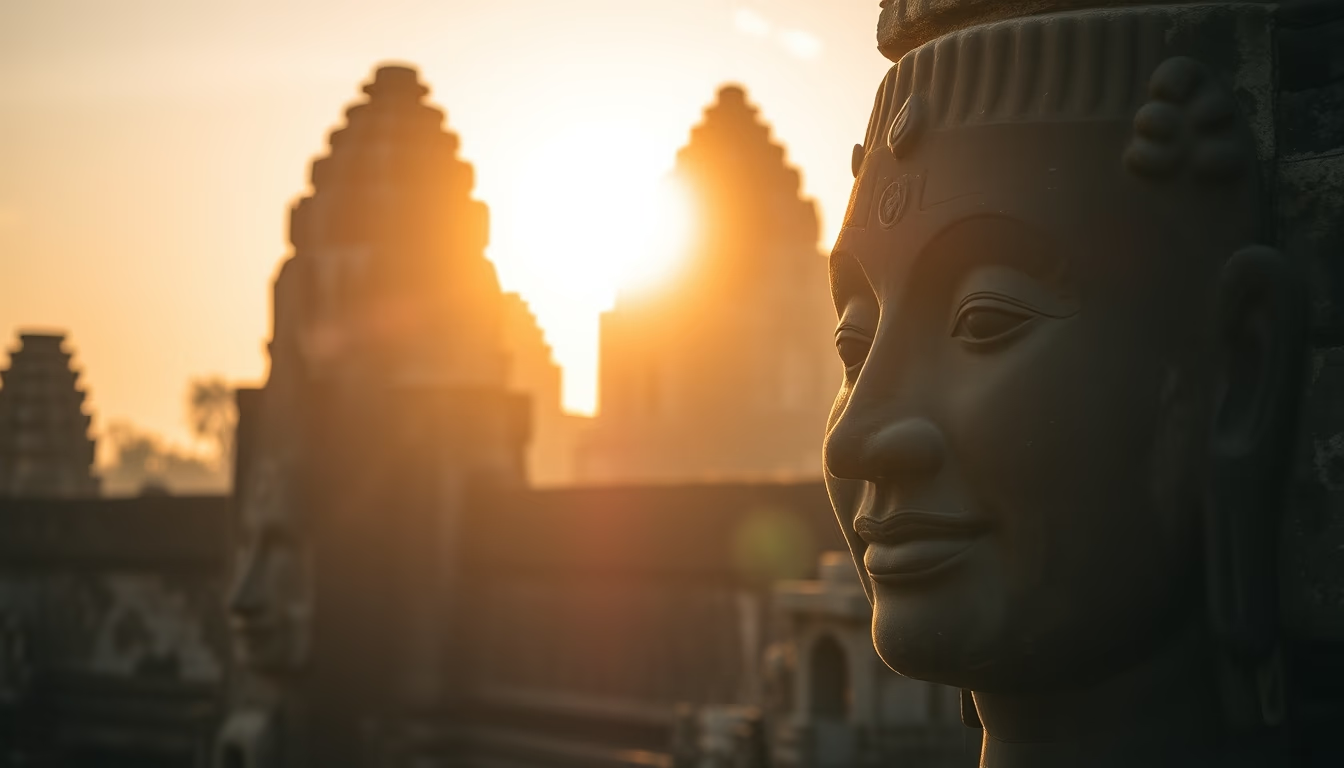
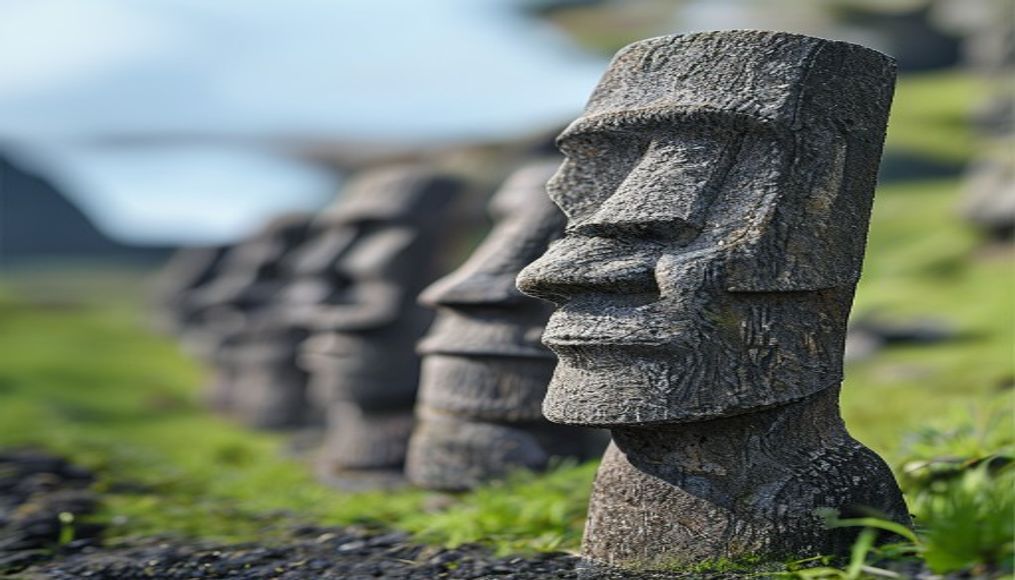
The stone faces of the Bayon temple in Angkor, Cambodia, are among the greatest architectural enigmas of Southeast Asia, with over 200 serene countenances carved into its towers.
About this subject
The Bayon temple, built in the late 12th century by King Jayavarman VII, is the only Mahayana Buddhist temple in the Angkor complex of Cambodia. Its most striking feature are the dozens of stone towers adorned with giant faces, generally identified as representations of the bodhisattva Avalokiteshvara or the king himself as a living Buddha. Each face has half-closed eyes and an enigmatic smile, similar to the Mona Lisa, which changes expression depending on the daylight.
Bayon was the central temple of the Khmer Empire's capital, Angkor Thom, and its construction took about 30 years. The faces are oriented to the four cardinal points, totaling over 200 visages that seem to watch the visitor from every angle. This arrangement creates a sense of omnipresence and surveillance, intentionally designed to assert the king's divine power and the protection of the realm.
Unlike other Angkor temples like Angkor Wat, Bayon is famous for its extensive bas-reliefs depicting daily life, battles, and religious ceremonies. The faces, however, remain the main attraction. Archaeological studies indicate that the sculptures were made in stages, and some faces were never finished, allowing modern craftsmen to understand carving techniques.
The temple suffered centuries of degradation from vegetation and erosion but was extensively restored by French and Japanese teams. Today, it is a UNESCO World Heritage site, and the Bayon faces are an icon of Cambodian tourism, symbolizing the artistic skill and religious complexity of the Khmer Empire.
Frequently Asked Questions
How many faces are there at the Bayon temple?
It is estimated that there are over 200 stone faces distributed across the towers of Bayon temple.
Who built the Bayon and what was its purpose?
The temple was commissioned by King Jayavarman VII as the central temple of his capital, Angkor Thom, aiming to assert his divine power and the protection of the realm under Mahayana Buddhism.
Why are the Bayon faces famous?
The faces are known for their enigmatic smile and serene expression, and they are arranged on multiple towers creating a sense of omnipresence, making them an icon of Khmer architecture.
Direct URL
https://pub-c7d6a6ea828543ac903a74a341ccb2e1.r2.dev/imagens/bayon-temple-faces-travel-photography-p0.avifHow to credit
Include a visible link back to UtilizAí. Copy one of the snippets below:
<a href="https://xn--utiliza-eza.com/en/midia/imagens/bayon-temple-faces-travel-photography-p0">Bayon temple faces</a> by <a href="https://xn--utiliza-eza.com">UtilizAí</a>, licensed under <a href="https://creativecommons.org/licenses/by/4.0/">CC BY 4.0</a>.
[Bayon temple faces](https://xn--utiliza-eza.com/en/midia/imagens/bayon-temple-faces-travel-photography-p0) by [UtilizAí](https://xn--utiliza-eza.com), CC BY 4.0
License: CC-BY-4.0