Bayon temple faces
1344×768 · AVIF · CC BY 4.0
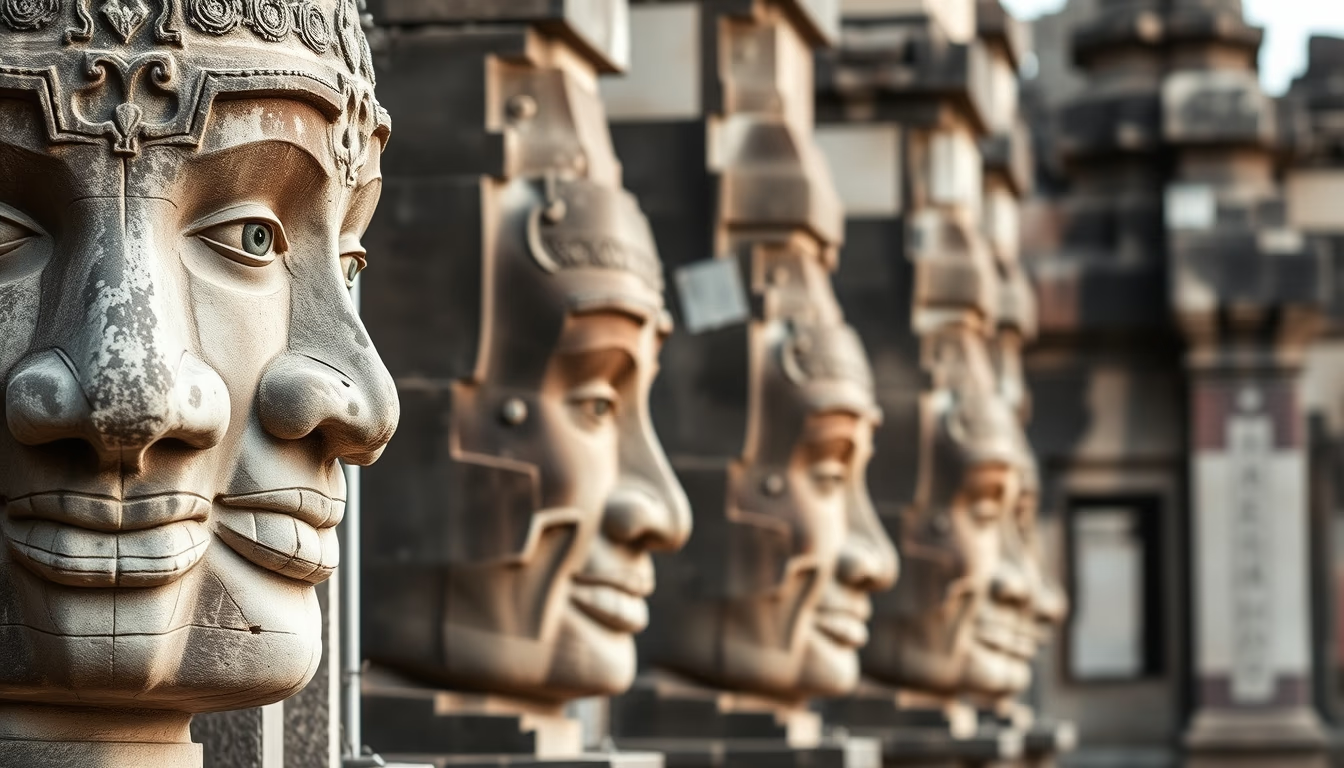
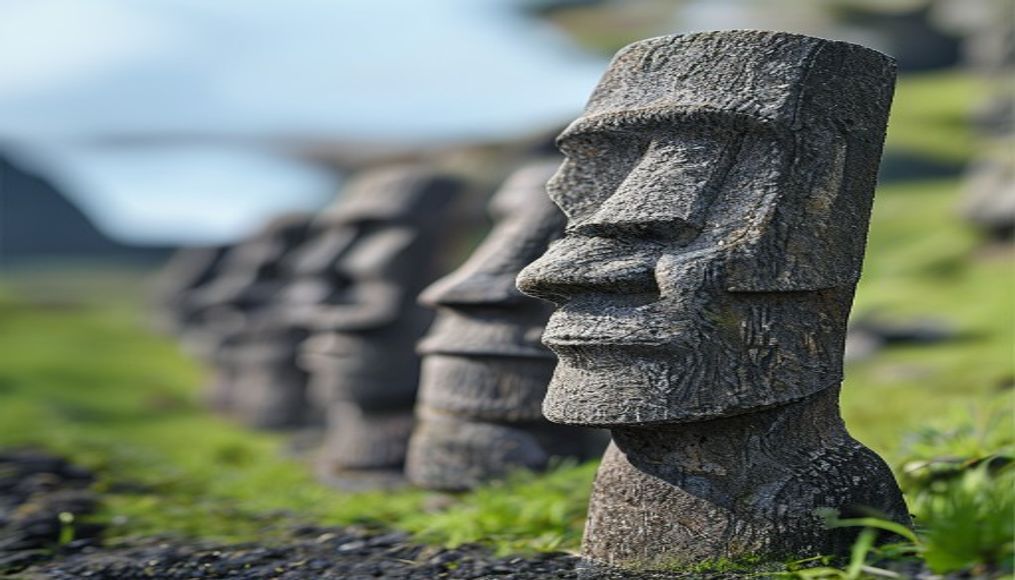
The iconic stone faces of Bayon temple in Angkor, Cambodia, represent King Jayavarman VII as a compassionate bodhisattva.
About this subject
Bayon temple, located at the heart of the Angkor Archaeological Park in Cambodia, is renowned for its more than 200 stone faces carved into its towers. Built in the late 12th century as the main temple of King Jayavarman VII, Bayon is one of the few Buddhist temples in the predominantly Hindu Angkor complex. The faces, often compared to the enigmatic smile of the Mona Lisa, are believed to represent Lokeshvara, the bodhisattva of compassion, but also bear the likeness of the king himself, who saw himself as a divine ruler and protector of the people.
Each tower of Bayon has four faces oriented to the cardinal points, suggesting the king's omnipresence and vigilance over his empire. The exact number of faces is uncertain due to ruins and restorations, but estimates range from 150 to 200. Their expressions vary subtly, with half-closed eyes and slightly curved lips, conveying serenity and power. The temple is also famous for its bas-reliefs depicting daily life in the Khmer empire, battles, and processions, offering a rare historical record of Angkorian society.
Bayon underwent several transformations over the centuries. Originally built as a Buddhist temple, after Jayavarman VII's death, Hinduism returned as the dominant religion and many Buddhist images were damaged or altered. The faces, however, remained untouched. The temple was gradually swallowed by the jungle and only rediscovered and restored in the 20th century by French and later Indian teams. Today it is a UNESCO World Heritage Site and one of the most visited tourist destinations in Southeast Asia, drawing millions who seek to photograph its iconic faces.
A fascinating detail is that, depending on the time of day and the sun's position, the faces of Bayon seem to change expression. In the morning, golden light softens their features, giving a benevolent look; at dusk, deeper shadows create an enigmatic and even intimidating countenance. This effect has contributed to the site's mystical aura, inspiring local legends that the faces watch over travelers and protect the kingdom.
Frequently Asked Questions
How many faces are there at Bayon temple?
The exact number is uncertain due to ruins and restorations. Estimates range between 150 and 200 stone faces on the temple's towers.
Who do the Bayon faces represent?
The faces are believed to represent Lokeshvara, the bodhisattva of compassion, but also bear the features of King Jayavarman VII, who considered himself a divine incarnation.
Is Bayon temple Hindu or Buddhist?
Bayon was originally built as a Buddhist temple in the late 12th century under King Jayavarman VII. Later, it underwent modifications when Hinduism returned as the state religion.
Direct URL
https://pub-c7d6a6ea828543ac903a74a341ccb2e1.r2.dev/imagens/bayon-temple-faces-architectural-photography-p3.avifHow to credit
Include a visible link back to UtilizAí. Copy one of the snippets below:
<a href="https://xn--utiliza-eza.com/en/midia/imagens/bayon-temple-faces-architectural-photography-p3">Bayon temple faces</a> by <a href="https://xn--utiliza-eza.com">UtilizAí</a>, licensed under <a href="https://creativecommons.org/licenses/by/4.0/">CC BY 4.0</a>.
[Bayon temple faces](https://xn--utiliza-eza.com/en/midia/imagens/bayon-temple-faces-architectural-photography-p3) by [UtilizAí](https://xn--utiliza-eza.com), CC BY 4.0
License: CC-BY-4.0