Bamboo toothbrush eco
1344×768 · AVIF · CC BY 4.0
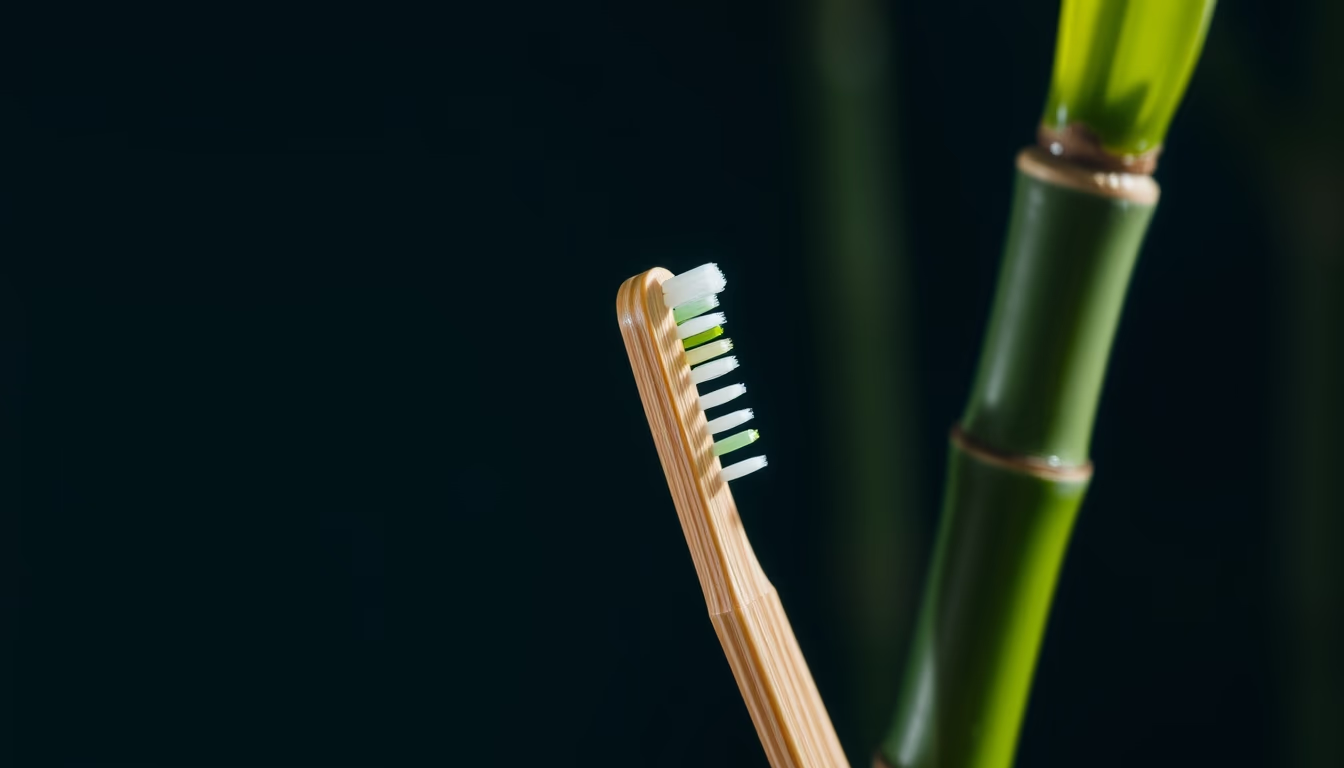
Bamboo toothbrushes are sustainable alternatives to plastic, reducing waste and promoting oral health with biodegradable materials.
About this subject
Bamboo toothbrushes have gained popularity as an eco-friendly alternative to traditional plastic toothbrushes. Bamboo is a fast-growing plant that does not require pesticides and regenerates naturally, making it a renewable resource ideal for household items. Most bamboo toothbrushes have nylon bristles (still petroleum-based), but some brands offer biodegradable bristles made from castor oil or activated charcoal.
The production of bamboo toothbrushes has a significantly lower environmental impact compared to plastic. A typical plastic toothbrush takes about 500 years to decompose, while the bamboo handle can decompose in a few months under proper composting conditions. However, it's important to remove the bristles before disposing of the handle, as they are not biodegradable in most cases.
Beyond sustainability, bamboo toothbrushes offer aesthetic and functional benefits. Bamboo has natural antimicrobial properties, which can help reduce bacterial buildup on the handle. Many users also appreciate the minimalist design and natural texture. In the United States, demand for these products surged around 2015 with the rise of the zero-waste movement and awareness of ocean plastic pollution.
Fun fact: the bamboo used for toothbrushes is often grown on sustainable farms in China or Vietnam, and it needs to be treated to prevent mold and cracking. Some manufacturers apply a water-based varnish or coconut oil to seal the wood, ensuring durability and hygiene.
Frequently Asked Questions
How long does a bamboo toothbrush take to decompose?
Under ideal composting conditions, the bamboo handle can decompose in 3 to 6 months, but the nylon bristles must be removed and discarded separately, as they take centuries to degrade.
Are bamboo toothbrushes really better for the environment?
Yes, because bamboo is a fast-growing renewable resource and its production generates lower carbon emissions than plastic. However, it is crucial to dispose of the bristles properly and choose brands that use biodegradable packaging.
How often should I replace my bamboo toothbrush?
It is recommended to replace the toothbrush every 3 months, or as soon as the bristles are frayed, following the same guidelines as for plastic toothbrushes to ensure cleaning effectiveness.
Direct URL
https://pub-c7d6a6ea828543ac903a74a341ccb2e1.r2.dev/imagens/bamboo-toothbrush-eco-fine-art-photography-p2.avifHow to credit
Include a visible link back to UtilizAí. Copy one of the snippets below:
<a href="https://xn--utiliza-eza.com/en/midia/imagens/bamboo-toothbrush-eco-fine-art-photography-p2">Bamboo toothbrush eco</a> by <a href="https://xn--utiliza-eza.com">UtilizAí</a>, licensed under <a href="https://creativecommons.org/licenses/by/4.0/">CC BY 4.0</a>.
[Bamboo toothbrush eco](https://xn--utiliza-eza.com/en/midia/imagens/bamboo-toothbrush-eco-fine-art-photography-p2) by [UtilizAí](https://xn--utiliza-eza.com), CC BY 4.0
License: CC-BY-4.0