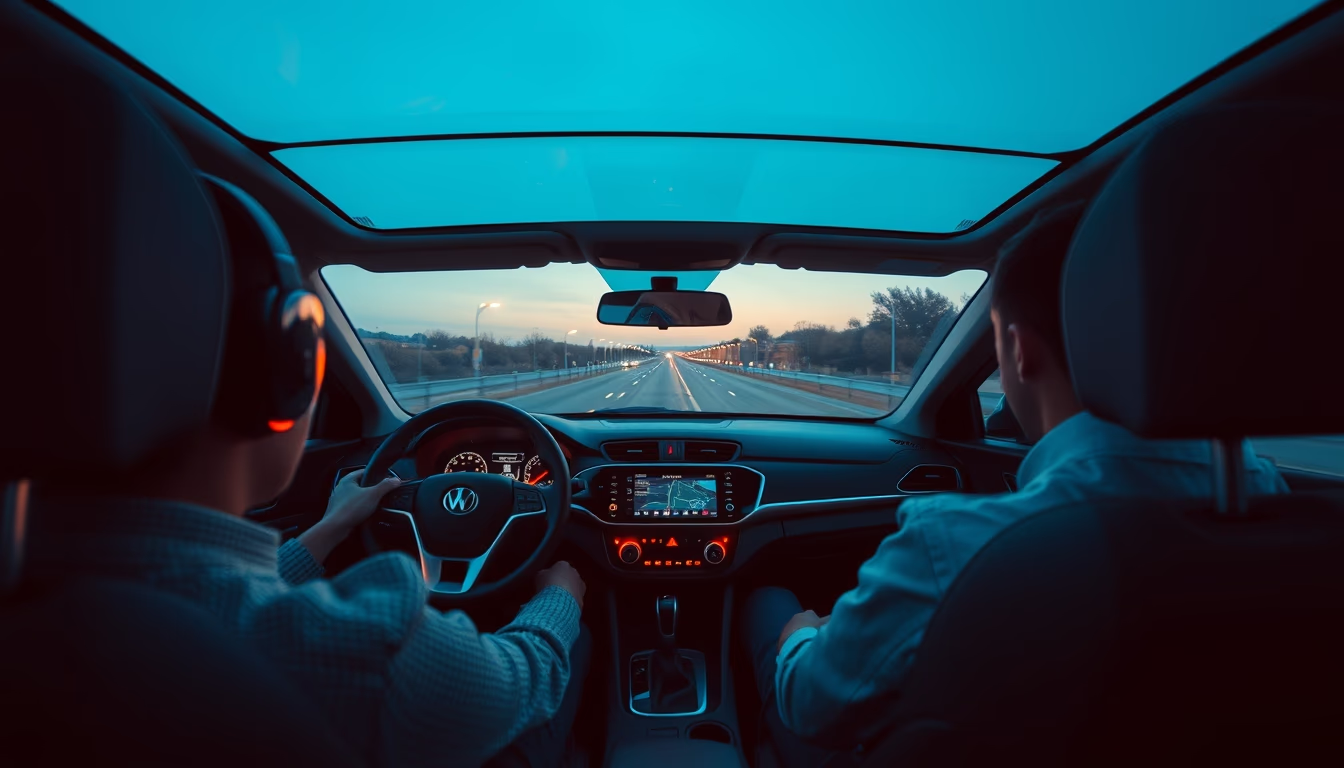
Autonomous taxi modern
1344×768 · AVIF · CC BY 4.0
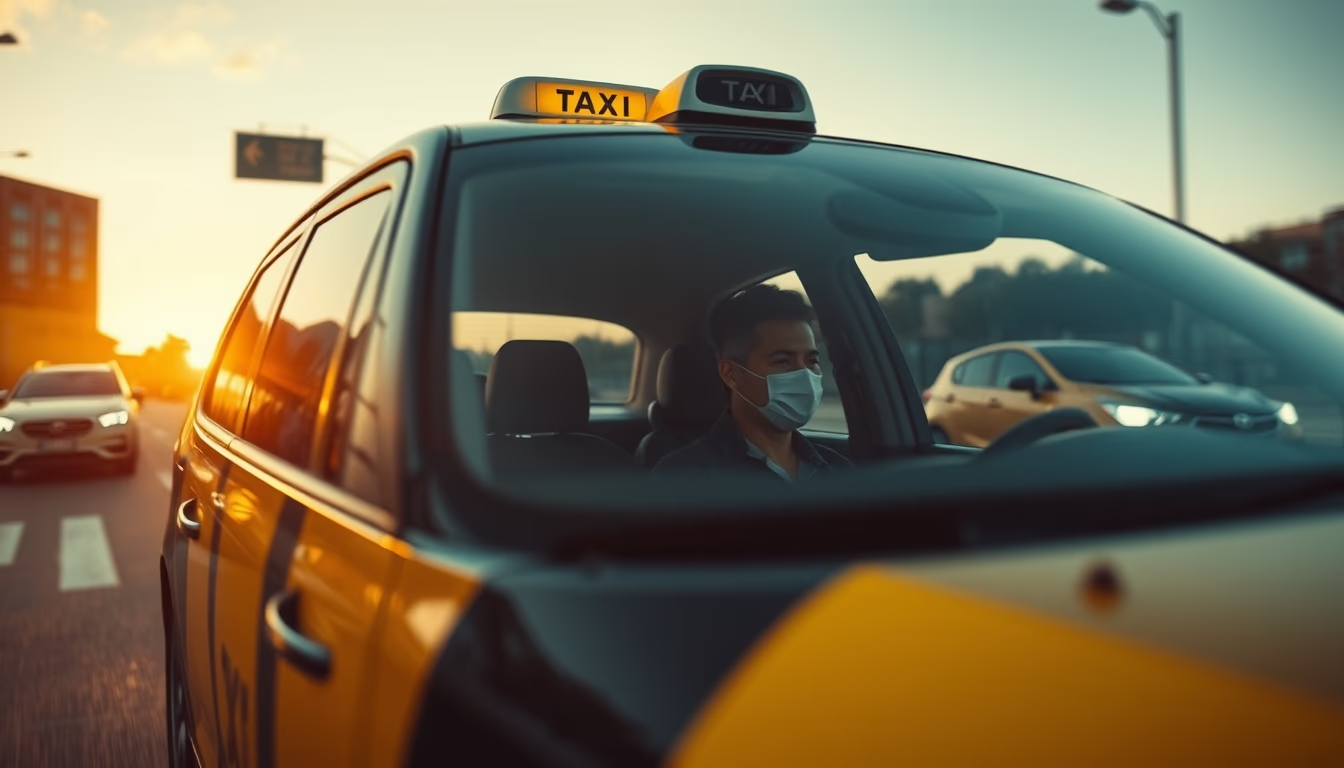
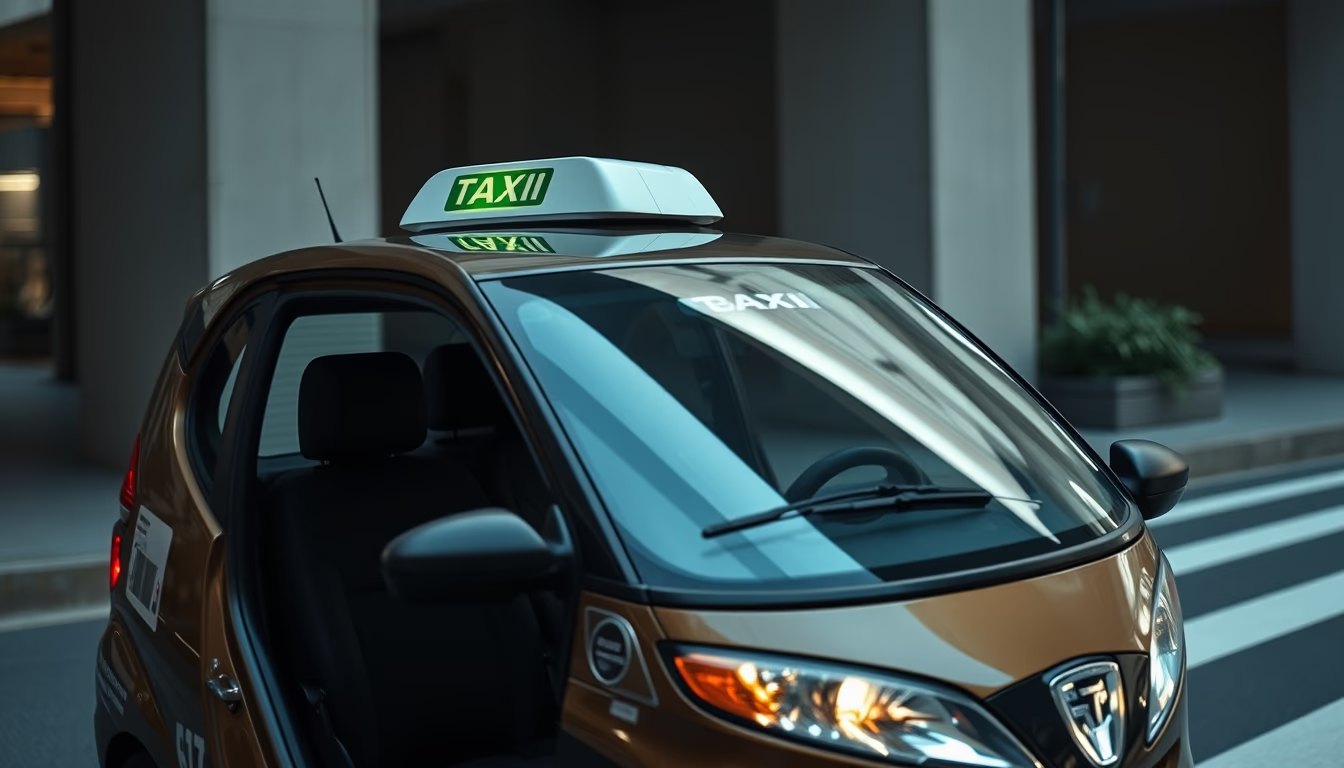
Modern autonomous taxis combine sensors, artificial intelligence, and real-time mapping to navigate cities without a human driver.
About this subject
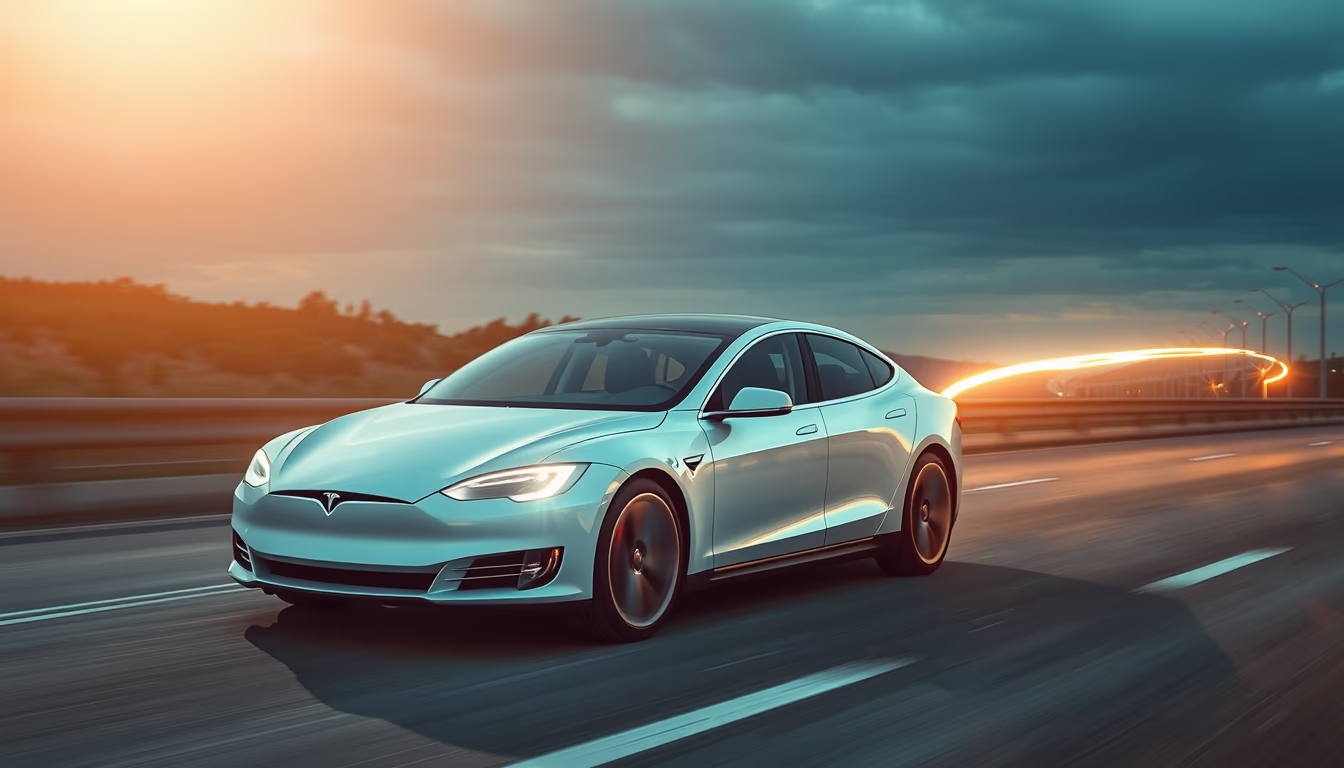
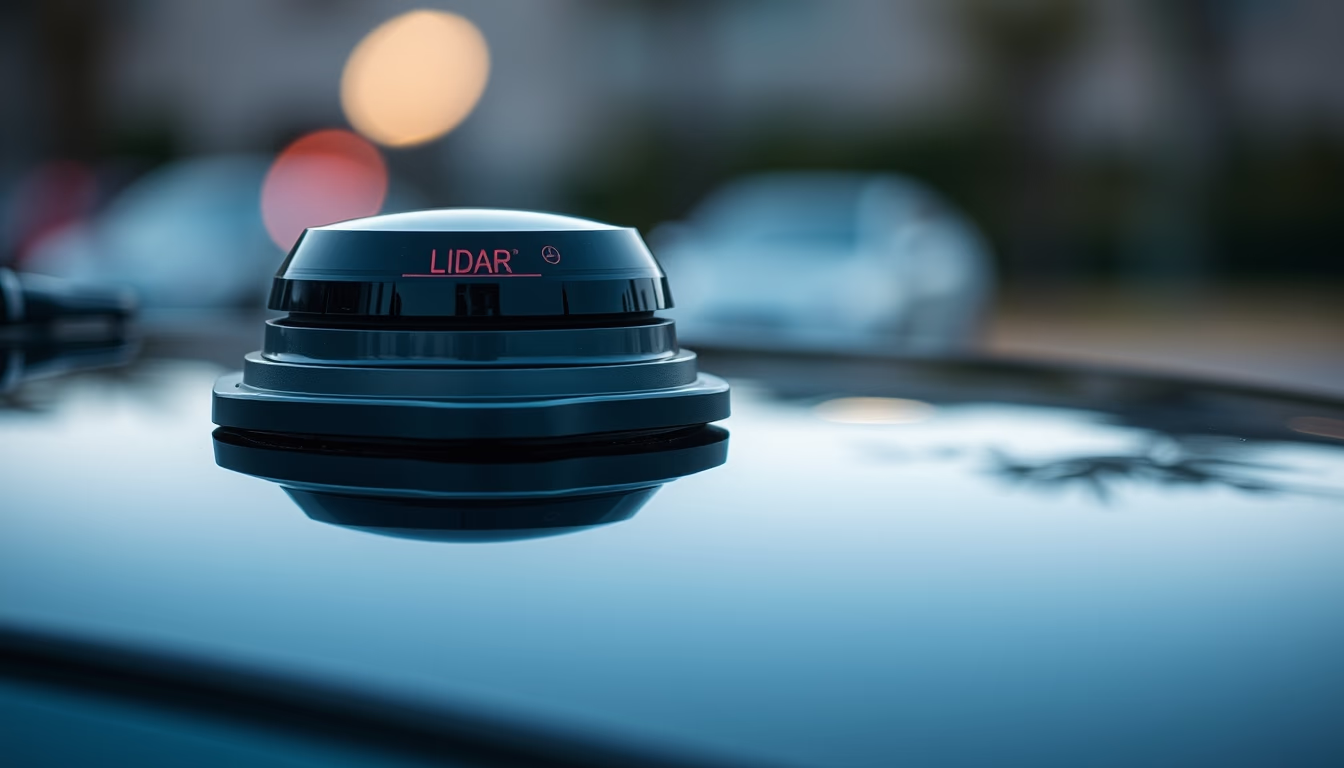
Autonomous taxis are one of the most visible applications of automated driving. Vehicles like Waymo One in Phoenix (USA) and Baidu's robotaxi in Wuhan (China) already operate commercially, covering urban routes without human intervention. The technology relies on a combination of LiDAR, high-resolution cameras, radars, and embedded processing systems that interpret the environment in milliseconds. 3D point-cloud mapping allows the vehicle to recognize lanes, pedestrians, cyclists, and other obstacles even in low light or rain. Companies such as Tesla, Cruise, and Zoox also develop their own platforms, each with distinct approaches: Tesla bets on cameras and neural networks, while Wayom prioritizes redundant sensors for safety.
Regulation remains a global bottleneck. Countries like Germany, Japan, and Singapore have created controlled testing zones, while Brazil is still discussing legal frameworks for experimental operation. In São Paulo, the city authorized tests with autonomous vehicles on specific roads starting in 2023, but there is no commercial fleet yet. Public acceptance also varies: surveys indicate that about 40% of Brazilians would feel safe in an autonomous taxi, a percentage that rises among young people and residents of large centers. Operating costs can be up to 60% lower than traditional taxis, according to McKinsey projections, putting pressure on human drivers to reskill.
Interestingly, the design of modern autonomous taxis prioritizes passenger experience. Many models eliminate the steering wheel and pedals, freeing up space for face-to-face seats, interactive screens, and cup holders. The driving is smooth, with accelerations and braking calculated to avoid discomfort. However, challenges remain: complex intersections, roadworks, and emergency situations still require remote supervision or manual intervention in some cases. The expectation is that by 2030, about 10% of taxis in large global cities will be autonomous, leading to reductions in accidents and congestion.
Frequently Asked Questions
Are autonomous taxis already available in Brazil?
There is no commercial fleet of autonomous taxis in Brazil yet. In 2023, the city of São Paulo authorized controlled tests with autonomous vehicles, but still no public operation.
What is the difference between an autonomous taxi and a car with autopilot?
An autonomous taxi operates at level 4 automation (no driver needed under specific conditions), while cars with autopilot are usually level 2 (driver assistance). The autonomous taxi has no steering wheel or pedals and can run without a human occupant.
How do autonomous taxis perceive the environment around them?
They use a combination of LiDAR (which emits laser pulses to measure distances), high-resolution cameras, radars, and ultrasonic sensors. The data is processed by artificial intelligence systems that identify objects and make real-time decisions.
Direct URL
https://pub-c7d6a6ea828543ac903a74a341ccb2e1.r2.dev/imagens/autonomous-taxi-modern-cinematic-wide-shot-p2.avifHow to credit
Include a visible link back to UtilizAí. Copy one of the snippets below:
<a href="https://xn--utiliza-eza.com/en/midia/imagens/autonomous-taxi-modern-cinematic-wide-shot-p2">Autonomous taxi modern</a> by <a href="https://xn--utiliza-eza.com">UtilizAí</a>, licensed under <a href="https://creativecommons.org/licenses/by/4.0/">CC BY 4.0</a>.
[Autonomous taxi modern](https://xn--utiliza-eza.com/en/midia/imagens/autonomous-taxi-modern-cinematic-wide-shot-p2) by [UtilizAí](https://xn--utiliza-eza.com), CC BY 4.0
License: CC-BY-4.0