Autonomous delivery robot
1344×768 · AVIF · CC BY 4.0
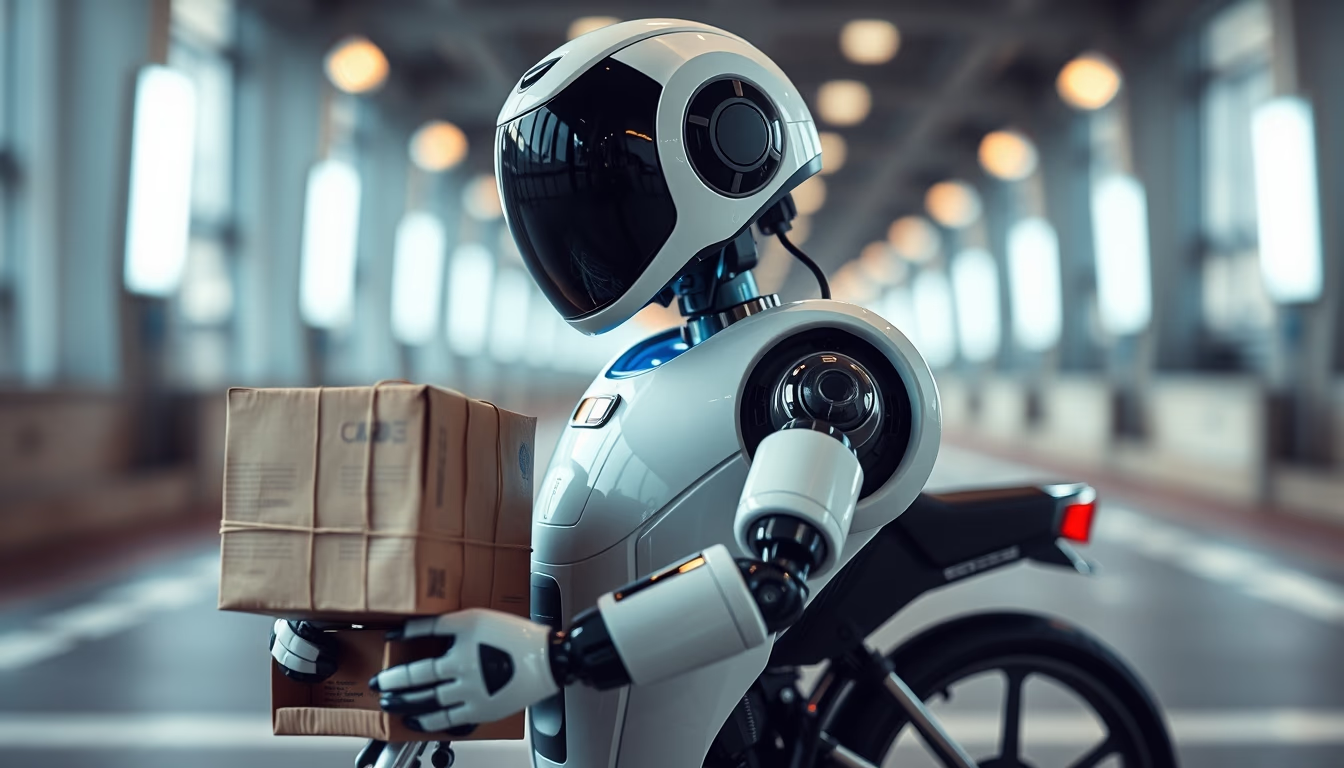
Autonomous delivery robots are revolutionizing urban logistics with efficiency, safety, and reduced operational costs.
About this subject
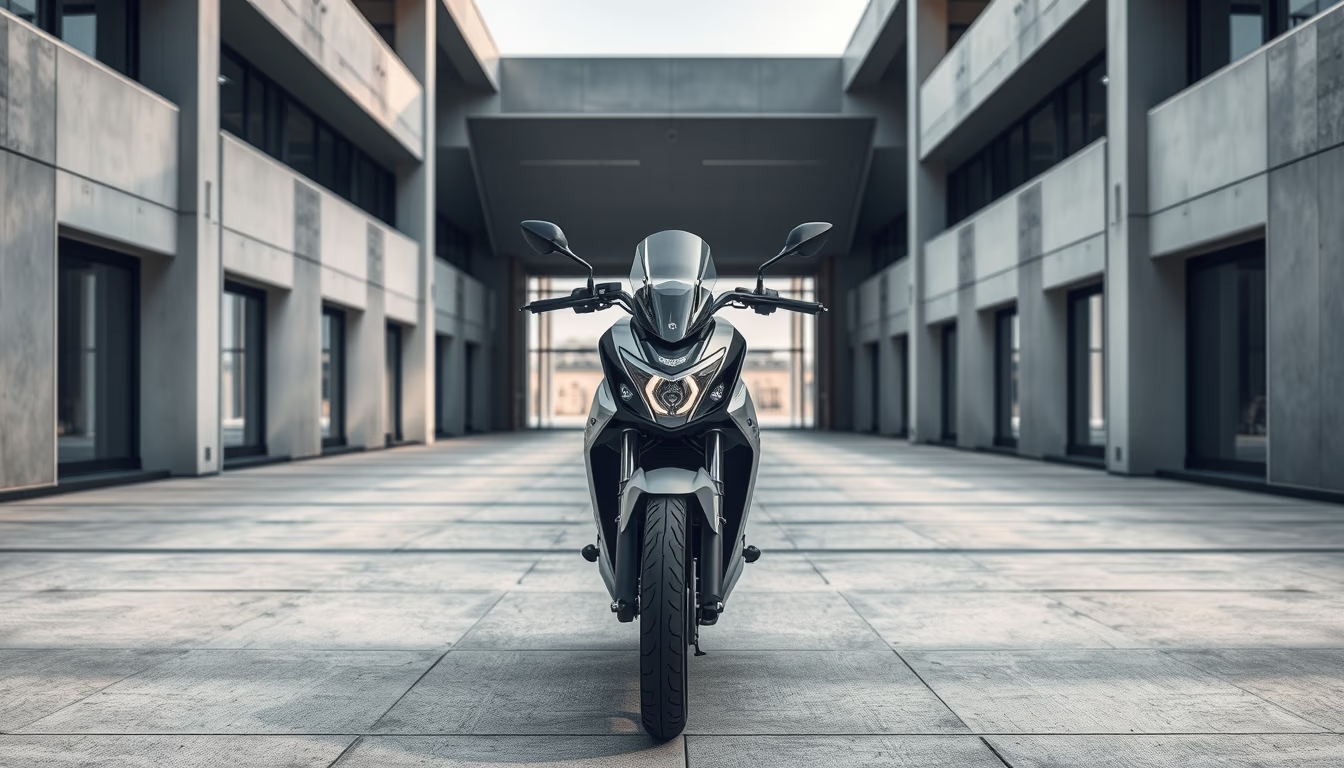
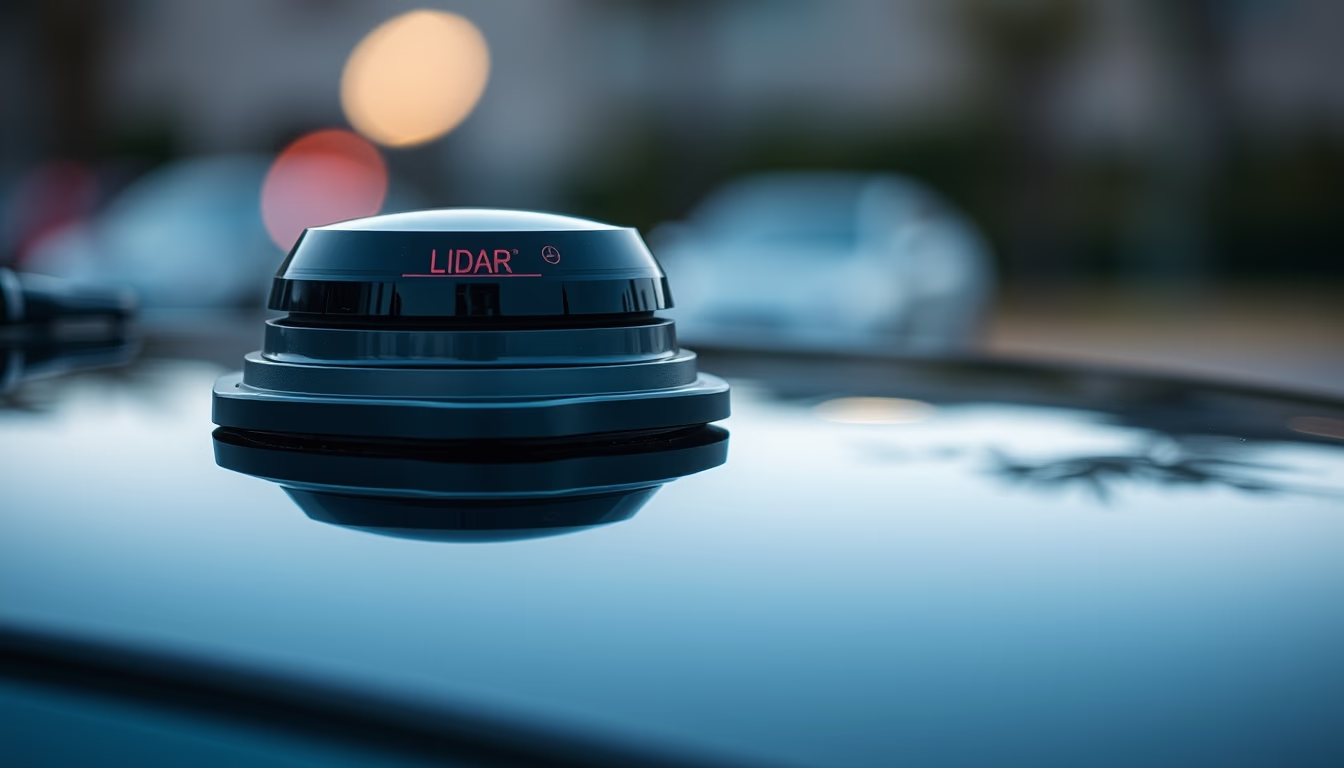
Autonomous delivery robots are unmanned ground vehicles designed to transport goods in urban areas. Equipped with sensors such as LiDAR, cameras, and GPS, they navigate sidewalks and bike paths while avoiding obstacles and pedestrians. Companies like Amazon (Scout), Nuro, and Starship Technologies operate fleets in US cities and university campuses across Europe and the US.
The use of these robots began expanding in 2016, driven by the need for fast and sustainable deliveries. Being electric, they help reduce carbon emissions. In Brazil, initiatives are still limited, but companies like iFood test prototypes in condominiums. Regulation remains a challenge, as many cities require permits for sidewalk operation.
A curious aspect is public interaction. In Seattle, Amazon Scout robots faced vandalism and distrust, leading to design and programming adjustments. At the University of Pittsburgh, Starship robots became part of daily life, with students using apps to track deliveries. The technology also raises privacy concerns, as robots collect environmental data.
The autonomous delivery robot market is expected to reach billions of dollars by 2030, with applications in food, medicine, and parcels. Integration with drones and larger autonomous vehicles may create fully automated logistics systems. However, social acceptance and evolving traffic laws will be key to global success.
Frequently Asked Questions
How do autonomous delivery robots work?
They use sensors like LiDAR, cameras, and GPS to map the environment and navigate sidewalks. AI software processes data in real time to avoid obstacles and follow predefined routes, typically operating at low speeds (up to 6 km/h).
Are these robots safe for pedestrians?
Yes, they are designed with sensors that detect pedestrians, vehicles, and obstacles. In crowded areas, they automatically stop. Accidents are rare but can occur if the robot fails to identify a step or pothole.
What is the impact on the job market?
There are concerns about replacing human delivery workers, but the technology tends to complement rather than eliminate jobs. New roles emerge in maintenance, monitoring, and robot development.
Direct URL
https://pub-c7d6a6ea828543ac903a74a341ccb2e1.r2.dev/imagens/autonomous-delivery-robot-magazine-editorial-p4.avifHow to credit
Include a visible link back to UtilizAí. Copy one of the snippets below:
<a href="https://xn--utiliza-eza.com/en/midia/imagens/autonomous-delivery-robot-magazine-editorial-p4">Autonomous delivery robot</a> by <a href="https://xn--utiliza-eza.com">UtilizAí</a>, licensed under <a href="https://creativecommons.org/licenses/by/4.0/">CC BY 4.0</a>.
[Autonomous delivery robot](https://xn--utiliza-eza.com/en/midia/imagens/autonomous-delivery-robot-magazine-editorial-p4) by [UtilizAí](https://xn--utiliza-eza.com), CC BY 4.0
License: CC-BY-4.0