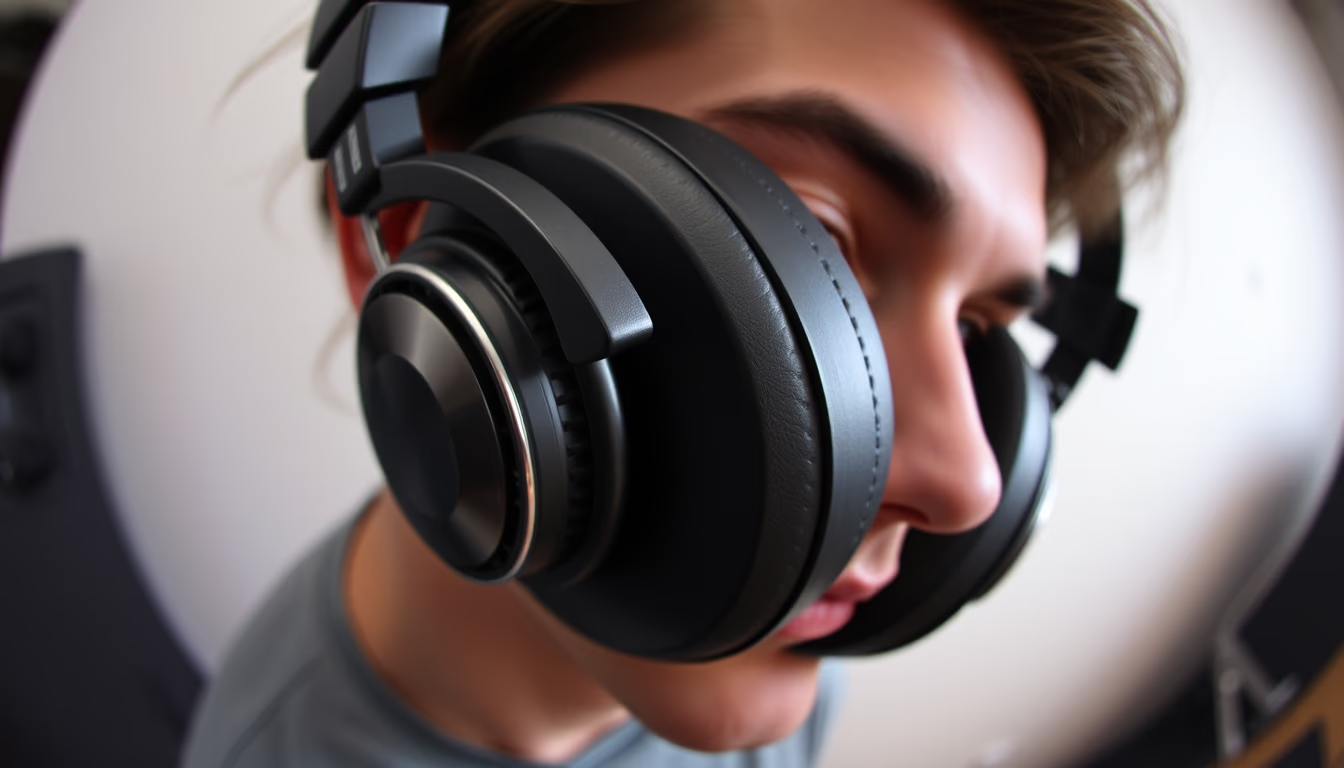
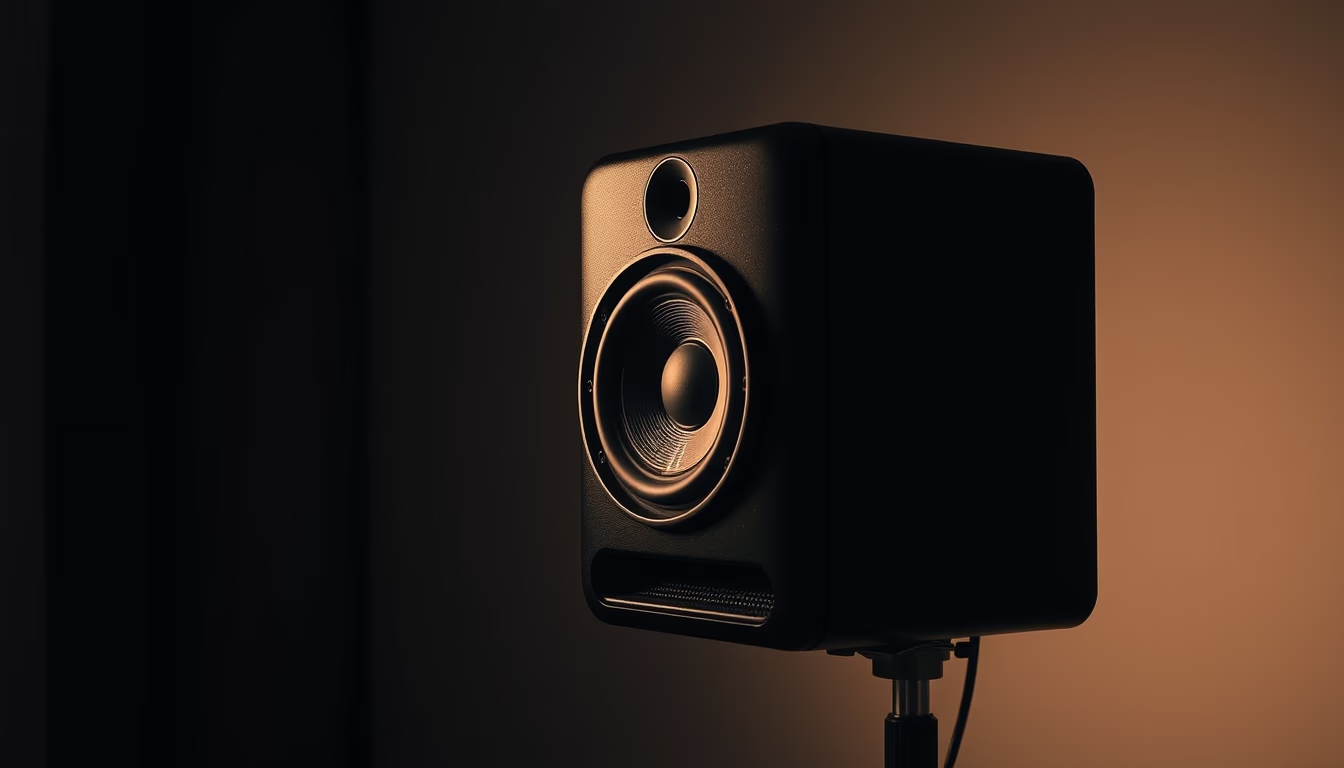
Audiophile headphones planar
1344×768 · AVIF · CC BY 4.0

Planar magnetic headphones deliver ultra-low distortion and high fidelity, making them a top choice for audiophiles.
About this subject
Planar magnetic headphones, also known as orthodynamic or isodynamic, represent a transducer technology that differs radically from traditional dynamic headphones. While dynamics use a voice coil attached to a conical diaphragm, planars employ a thin conductive membrane suspended between two arrays of magnets. When electrical current passes through this membrane, it moves uniformly and precisely, producing sound with extremely low distortion (typically below 0.1%) and exceptional transient response. This architecture allows planars to reproduce micro and macro details with surgical clarity, making them particularly valued in reference recordings and by audio professionals.
In the current market, brands like Audeze, Hifiman, Oppo (discontinued), and Fostex (with models like the T50RP) dominate the segment. Prices range from a few hundred to several thousand dollars. Iconic models include the Audeze LCD-2, Hifiman HE400SE, and the more affordable Monolith M1060. Impedance is generally low (between 20 and 60 ohms), but sensitivity is also low, requiring dedicated amplifiers to unlock full potential. Without a powerful amp, planars can sound lacking in dynamics and volume.
Historically, planar magnetic technology was developed in the 1970s, with the Yamaha YH-1 being one of the first commercial models, but it gained momentum in the 2000s thanks to the democratization of neodymium magnets and manufacturing processes. Today, planars are considered the pinnacle of headphone engineering, though they have limitations such as greater weight (about 400-600g) and higher power requirements. For the average listener, the sound may seem less 'fun' than dynamic headphones, but for the audiophile it means precision and transparency.
Frequently Asked Questions
What is the difference between planar magnetic and dynamic headphones?
Dynamic headphones use a voice coil and cone, while planars use a flat membrane between magnets. Planars offer lower distortion and faster transient response but require more power and are heavier.
Do I need an amplifier for planar magnetic headphones?
Yes, most planars have low sensitivity and require a dedicated amplifier to reach adequate volume and performance. Without an amp, they can sound quiet and lack dynamics.
What are the best entry-level planar magnetic headphones?
Models like the Hifiman HE400SE, Monolith M1060, and Audeze LCD-1 (more expensive) are good starting points. They require an amp with at least 1W output to perform well.
Direct URL
https://pub-c7d6a6ea828543ac903a74a341ccb2e1.r2.dev/imagens/audiophile-headphones-planar-high-fashion-editorial-fresh11.avifHow to credit
Include a visible link back to UtilizAí. Copy one of the snippets below:
<a href="https://xn--utiliza-eza.com/en/midia/imagens/audiophile-headphones-planar-high-fashion-editorial-fresh11">Audiophile headphones planar</a> by <a href="https://xn--utiliza-eza.com">UtilizAí</a>, licensed under <a href="https://creativecommons.org/licenses/by/4.0/">CC BY 4.0</a>.
[Audiophile headphones planar](https://xn--utiliza-eza.com/en/midia/imagens/audiophile-headphones-planar-high-fashion-editorial-fresh11) by [UtilizAí](https://xn--utiliza-eza.com), CC BY 4.0
License: CC-BY-4.0