Art nouveau gaudi
1344×768 · AVIF · CC BY 4.0
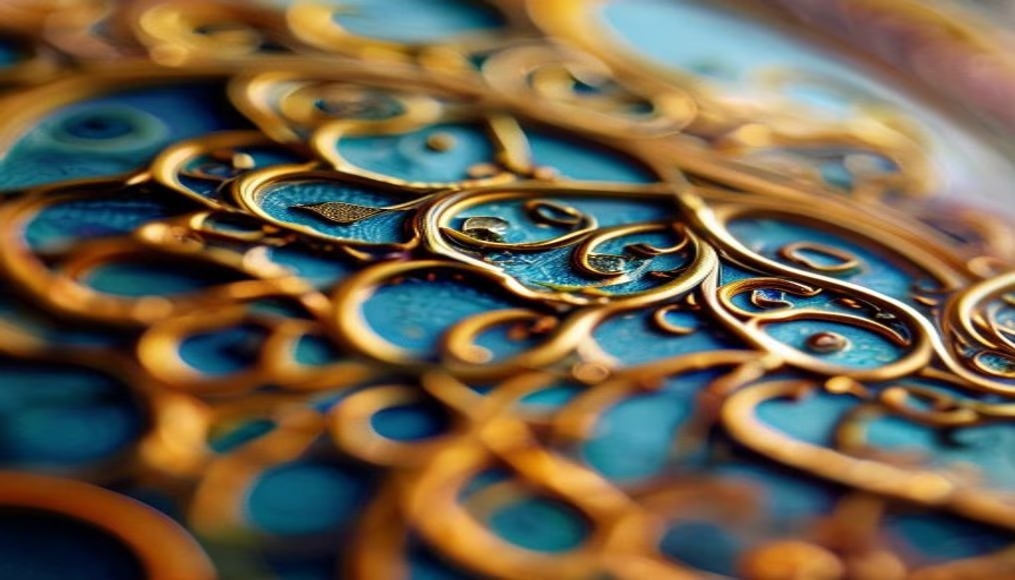
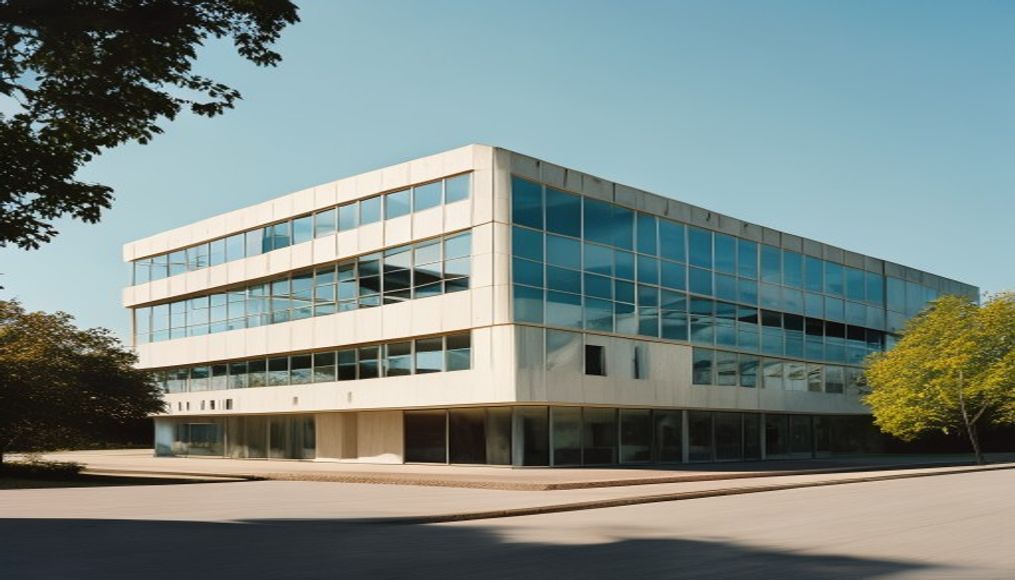
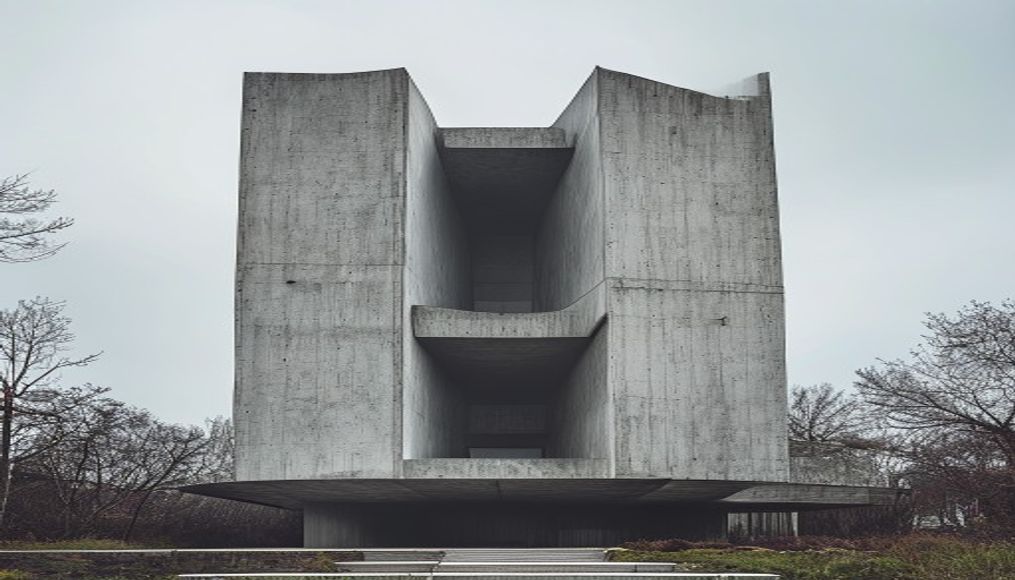
Close-up detail of Antoni Gaudí's architecture, a master of Catalan modernism who blended organic forms and structural innovation.
About this subject
Antoni Gaudí (1852-1926) was the leading figure of Catalan modernism, a regional variant of Art Nouveau in Spain. His work, concentrated in Barcelona, is characterized by nature-inspired forms, colorful mosaics (trencadís), and daring structural solutions such as parabolic arches and inclined columns. Among his most iconic projects are the Sagrada Família, an unfinished basilica begun in 1882 whose late style incorporates Gothic and curvilinear elements; Park Güell, a residential complex turned public park; and Casa Batlló, a remodeled residence with a wavy facade and dragon-scale-like tiles.
Gaudí developed a unique approach to integrating architecture and applied arts, designing furniture, stained glass, and even ironwork for his buildings. His preferred construction method was three-dimensional plaster models, from which he calculated loads and shapes. The use of trencadís, mosaic made from ceramic and glass fragments, became his hallmark, evident in the undulating benches of Park Güell and the bell tower of Sagrada Família. This technique not only repurposed waste materials but also created vibrant, textured surfaces.
Despite his genius, Gaudí faced resistance from clients and critics. His work gained international recognition only in the 20th century, culminating in the UNESCO World Heritage designation of seven of his buildings. The Sagrada Família, still under construction, is expected to be completed in 2032 following digitized original plans. Gaudí's influence extends to contemporary design, parametric architecture, and even video games, where his organic forms inspire fictional worlds.
Interestingly, Gaudí was deeply religious and vegetarian. In his later years, he devoted himself entirely to the Sagrada Família, sleeping on the construction site. His death by tram in 1926 went unnoticed, and he was buried in a mass grave before being identified. Today, his tomb lies in the crypt of the Sagrada Família, visited by millions.
Frequently Asked Questions
What makes Gaudí's Art Nouveau unique?
Gaudí combined organic forms inspired by nature with structural innovations such as parabolic arches and inclined columns. His use of trencadís (mosaic of ceramic fragments) and integration of all applied arts within his buildings are hallmarks that distinguish him from other Art Nouveau architects.
What are Gaudí's most famous works in Barcelona?
The best known are the Sagrada Família (unfinished basilica), Park Güell (public park with mosaics and wavy benches), Casa Batlló (remodeled residence with a scaly facade), and Casa Milà (building with a wave-like stone facade and sculptural rooftop).
Why is the Sagrada Família still unfinished?
Gaudí knew he would not see it completed and left detailed models and plans. Construction relies on donations and follows traditional craftsmanship. Completion is projected for 2032, with the central tower of Jesus Christ.
Direct URL
https://pub-c7d6a6ea828543ac903a74a341ccb2e1.r2.dev/imagens/art-nouveau-gaudi-macro-closeup-p0.avifHow to credit
Include a visible link back to UtilizAí. Copy one of the snippets below:
<a href="https://xn--utiliza-eza.com/en/midia/imagens/art-nouveau-gaudi-macro-closeup-p0">Art nouveau gaudi</a> by <a href="https://xn--utiliza-eza.com">UtilizAí</a>, licensed under <a href="https://creativecommons.org/licenses/by/4.0/">CC BY 4.0</a>.
[Art nouveau gaudi](https://xn--utiliza-eza.com/en/midia/imagens/art-nouveau-gaudi-macro-closeup-p0) by [UtilizAí](https://xn--utiliza-eza.com), CC BY 4.0
License: CC-BY-4.0