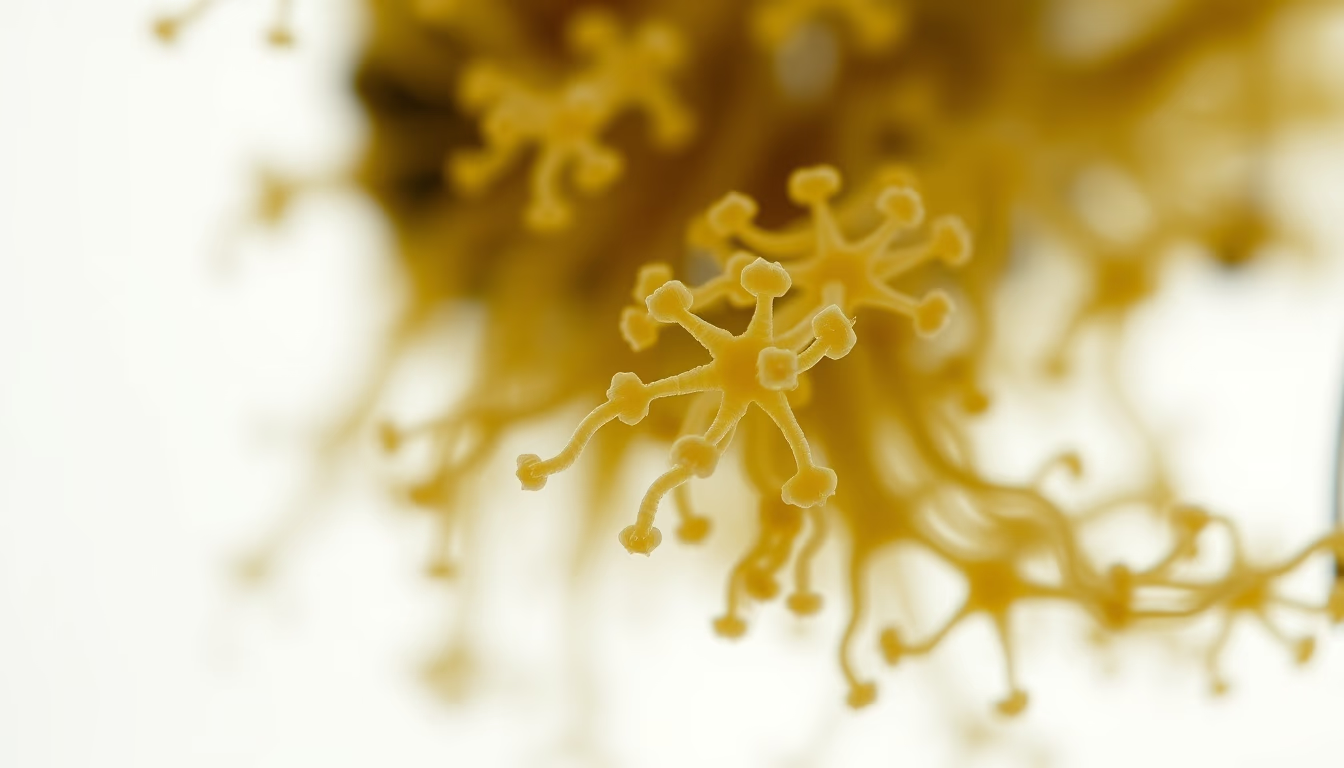
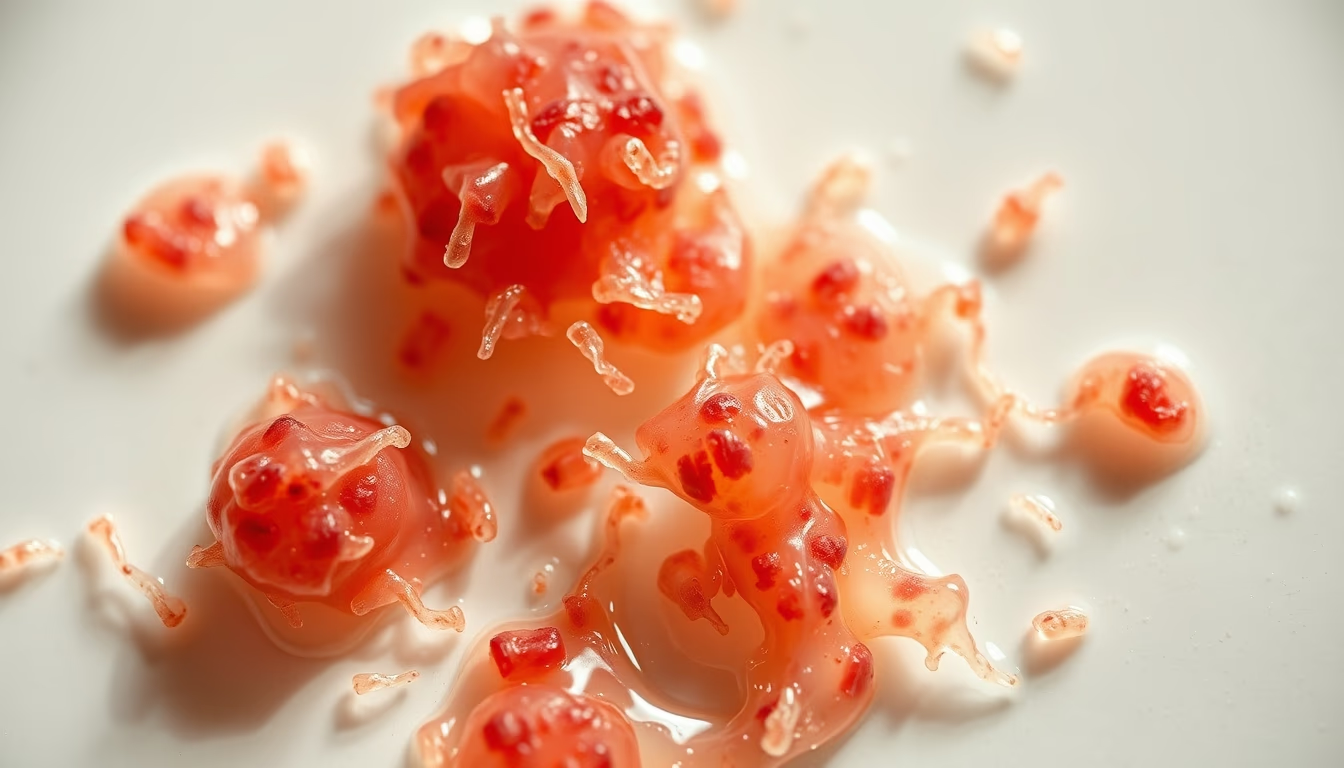
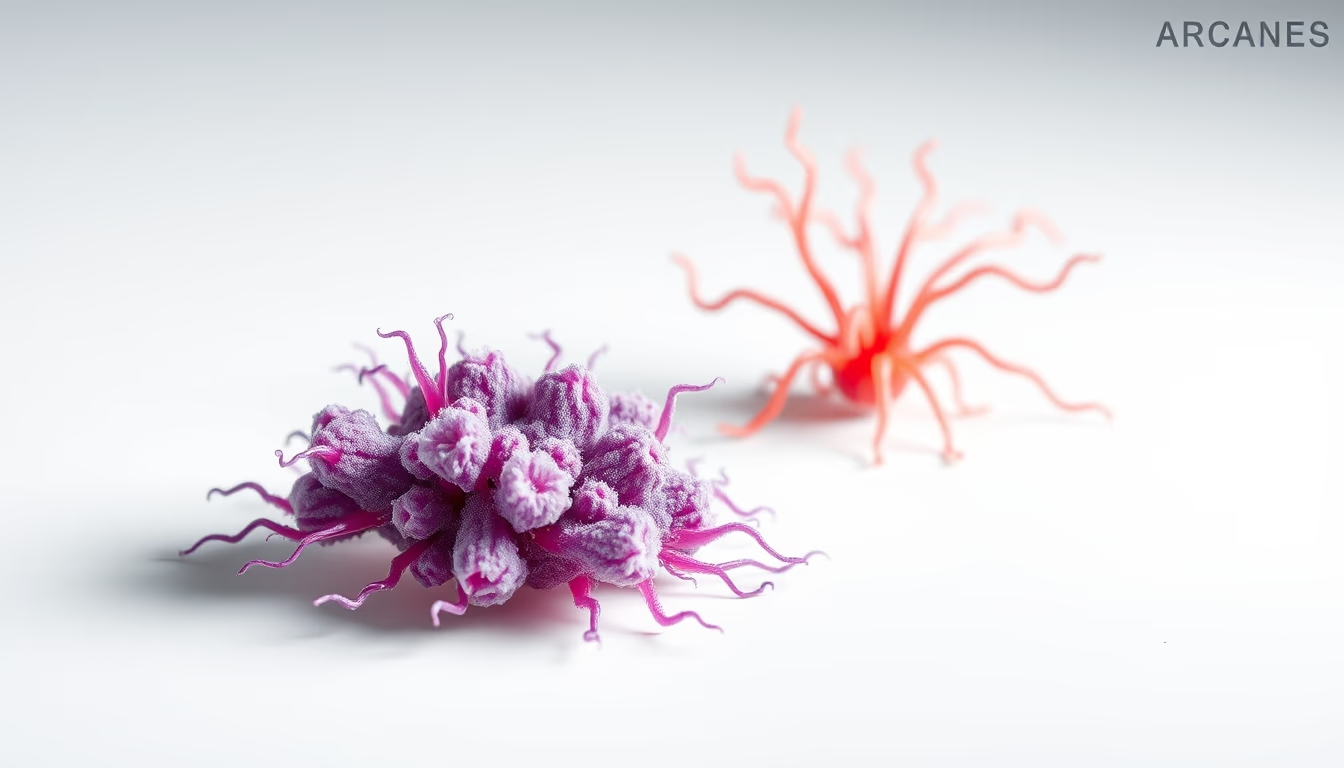
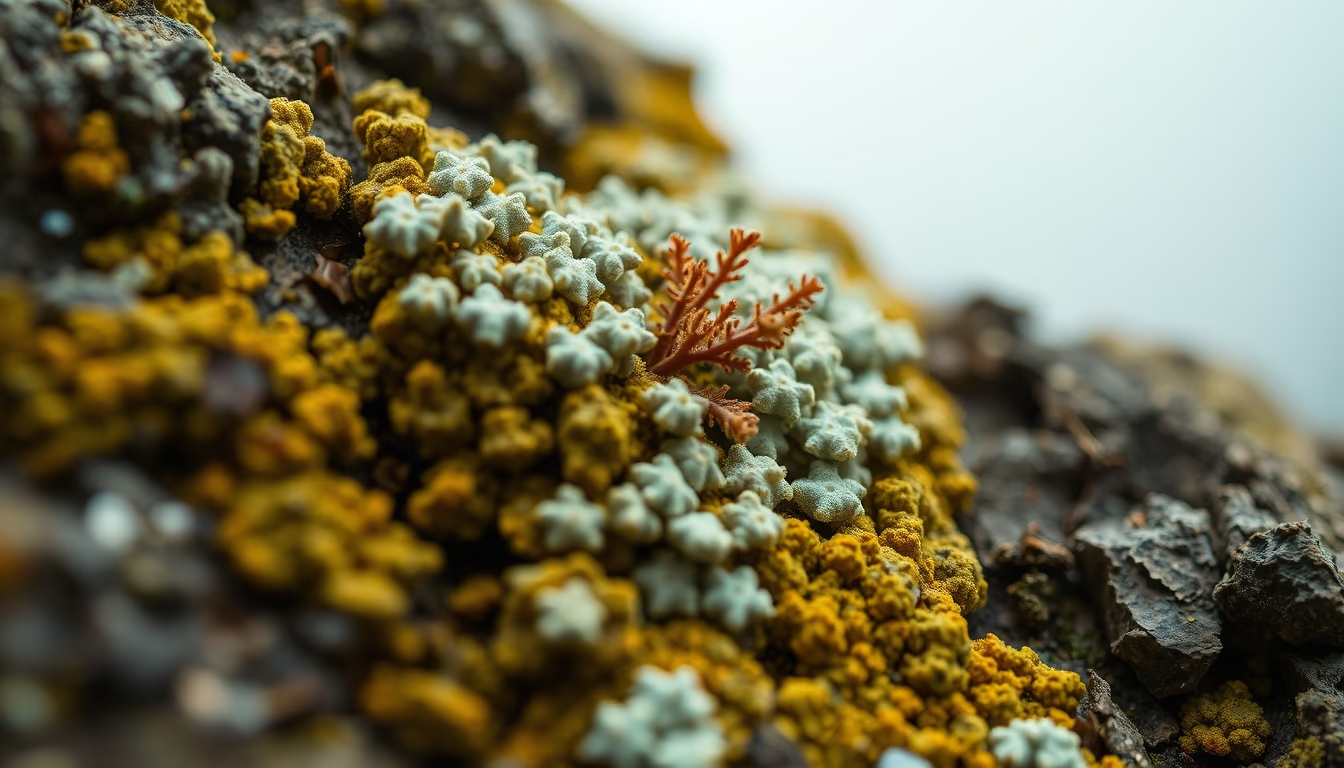
Archaea extremophile
1344×768 · AVIF · CC BY 4.0

Extremophile archaea are single-celled microorganisms thriving in harsh environments such as hot springs and hypersaline lakes, with metabolism adapted to extreme conditions.
About this subject
Archaea constitute a domain of prokaryotic microorganisms distinct from bacteria, recognized only in the 1970s through the work of Carl Woese. They possess unique lipid composition with ether linkages in their membranes and characteristic ribosomal RNA. Many archaea are extremophiles, thriving in conditions considered lethal for most life forms.
Among extremophiles, thermophiles such as Pyrolobus fumarii grow at 113°C in submarine hydrothermal vents. Halophiles like Halobacterium live in salinities above 20%, found in the Dead Sea and salt flats. Acidophiles such as Ferroplasma tolerate pH near zero, inhabiting acidic mine drainages. These organisms are found globally in places like Yellowstone, Azores hot springs, and active volcanoes.
Biotechnology greatly benefits from archaeal enzymes. Taq polymerase, originally from Thermus aquaticus (formerly classified as bacteria but with archaeal homologs), revolutionized PCR. Thermostable and halotolerant enzymes are used in industrial processes, biofuel production, and bioremediation. Methanococcus and Methanobacterium produce methane from CO2 and hydrogen, offering potential for renewable energy.
Intriguingly, archaea serve as models for astrobiology: some species survive simulated Martian conditions, enduring UV radiation and low pressure. They also play essential roles in global biogeochemical cycles, such as nitrogen and sulfur cycles. Ongoing discovery of new species in extreme environments expands our understanding of life's limits on Earth.
Frequently Asked Questions
What makes archaea different from bacteria?
Archaea have a distinct cell membrane composition with ether-linked lipids, and their ribosomal RNA differs from that of bacteria and eukaryotes. They were classified as a separate domain by Carl Woese.
Where do extremophile archaea live?
They inhabit locations such as hot springs (up to 122°C), hypersaline lakes (Dead Sea), acidic environments (pH near zero), and oceanic hydrothermal vents. Some also thrive under high pressure.
What is the importance of archaea for biotechnology?
Their enzymes, such as Taq polymerase, are stable at high temperatures and used in PCR. They are also studied for biofuel production, bioremediation, and understanding life on other planets.
Direct URL
https://pub-c7d6a6ea828543ac903a74a341ccb2e1.r2.dev/imagens/archaea-extremophile-studio-editorial-portrait-fresh11.avifHow to credit
Include a visible link back to UtilizAí. Copy one of the snippets below:
<a href="https://xn--utiliza-eza.com/en/midia/imagens/archaea-extremophile-studio-editorial-portrait-fresh11">Archaea extremophile</a> by <a href="https://xn--utiliza-eza.com">UtilizAí</a>, licensed under <a href="https://creativecommons.org/licenses/by/4.0/">CC BY 4.0</a>.
[Archaea extremophile](https://xn--utiliza-eza.com/en/midia/imagens/archaea-extremophile-studio-editorial-portrait-fresh11) by [UtilizAí](https://xn--utiliza-eza.com), CC BY 4.0
License: CC-BY-4.0