Archaea extremophile
1344×768 · AVIF · CC BY 4.0
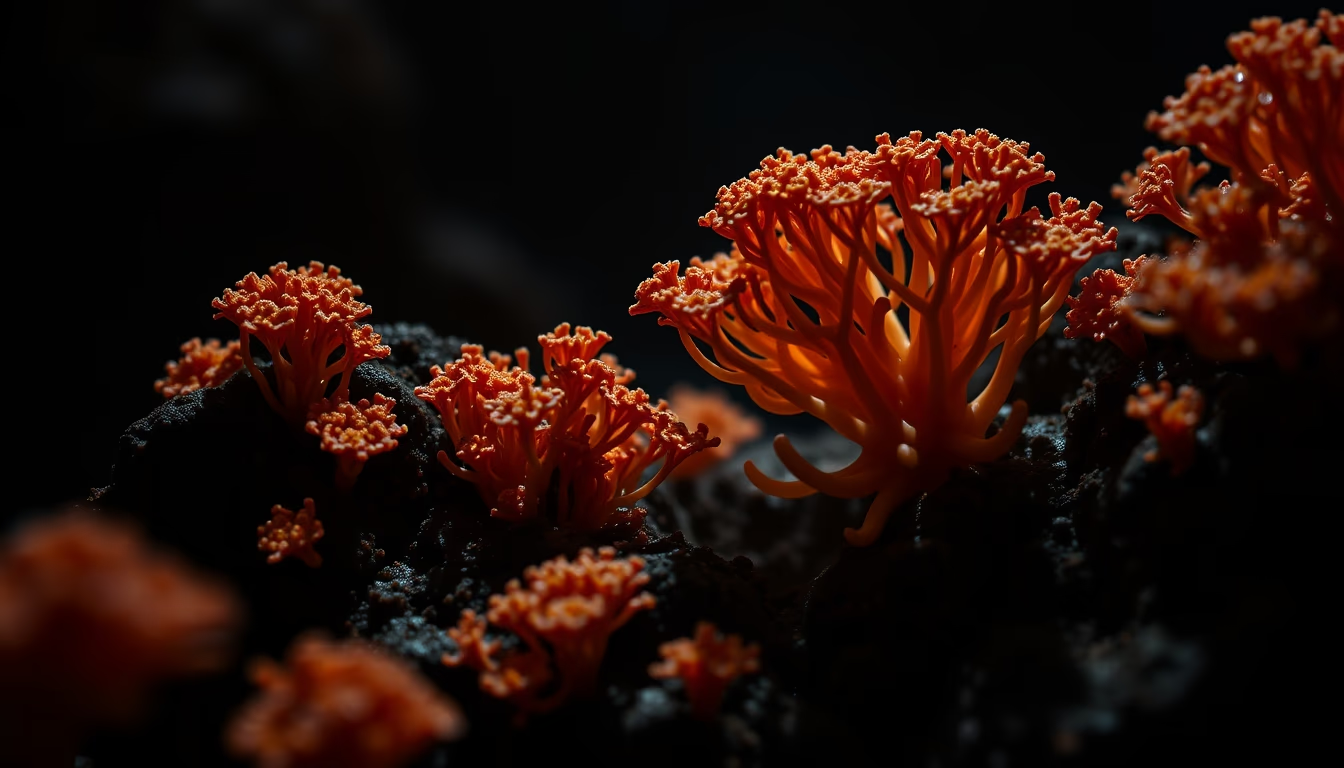
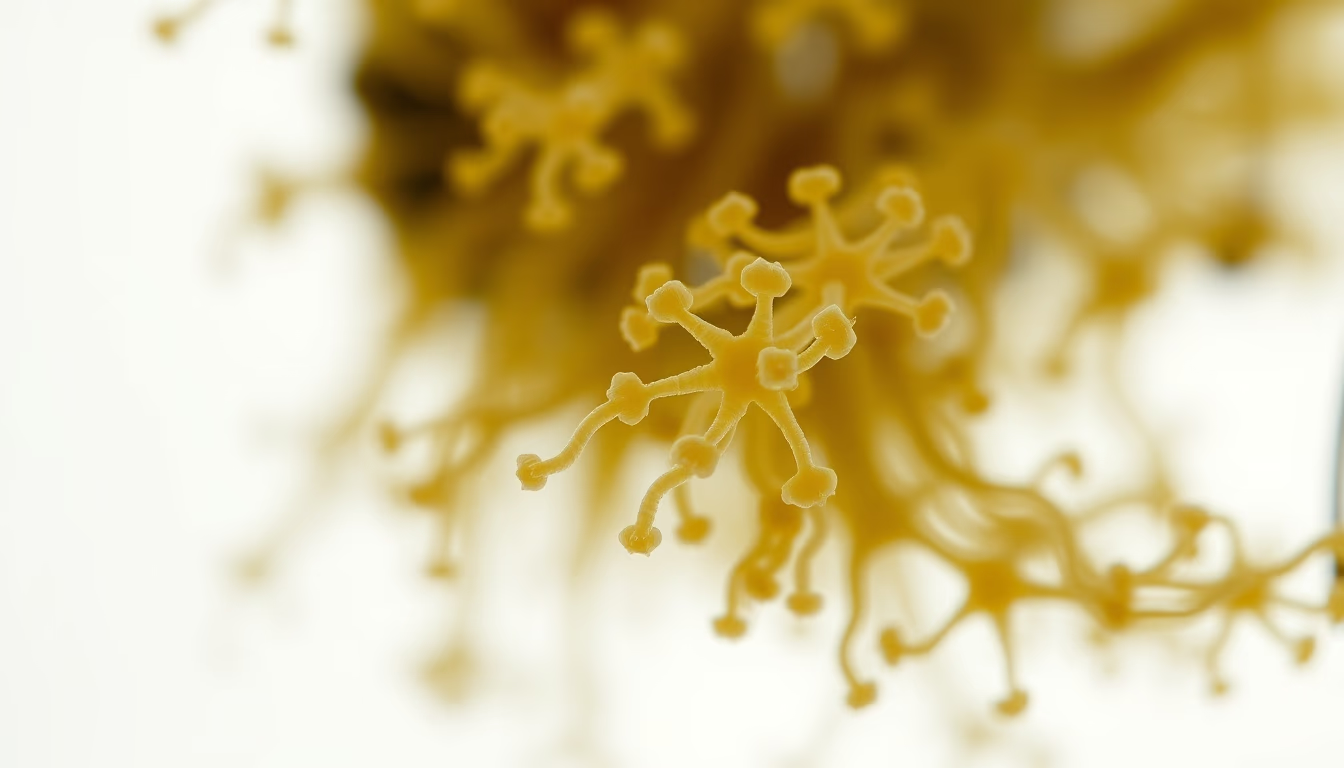
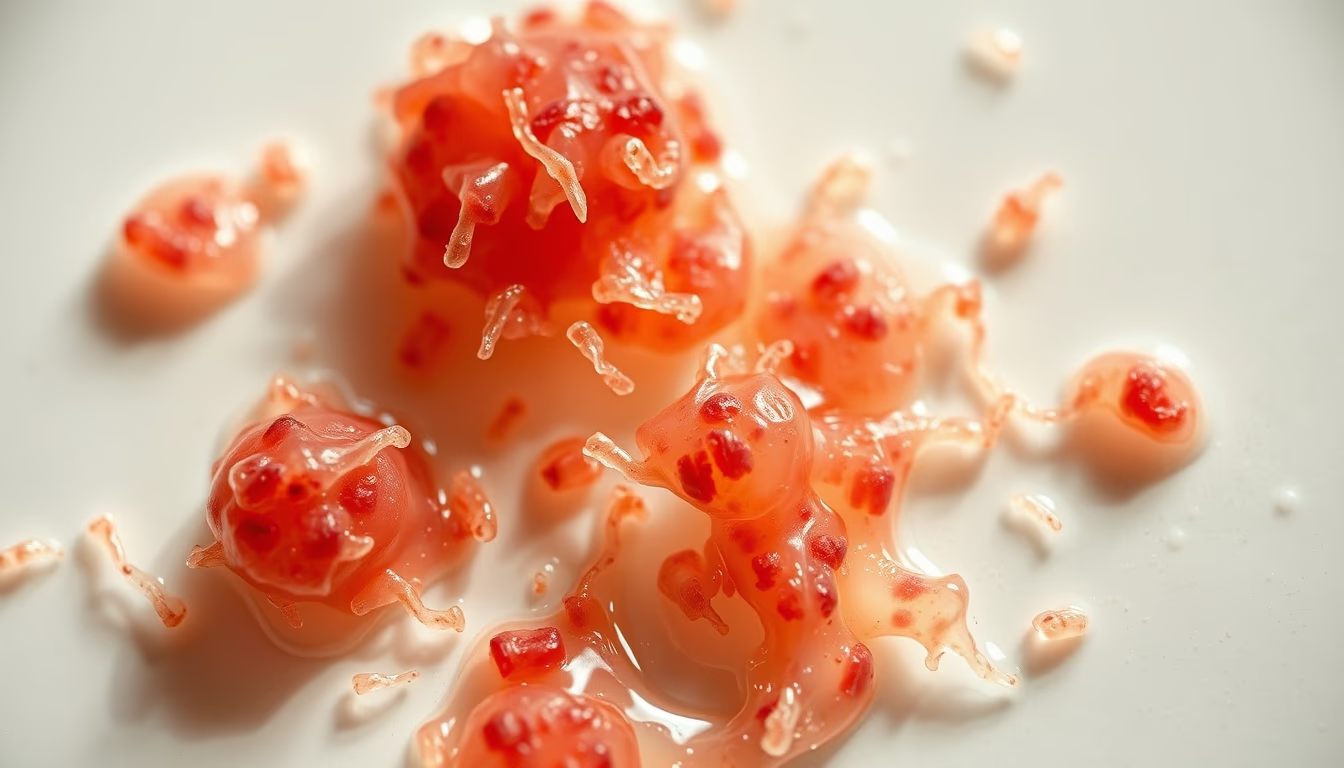
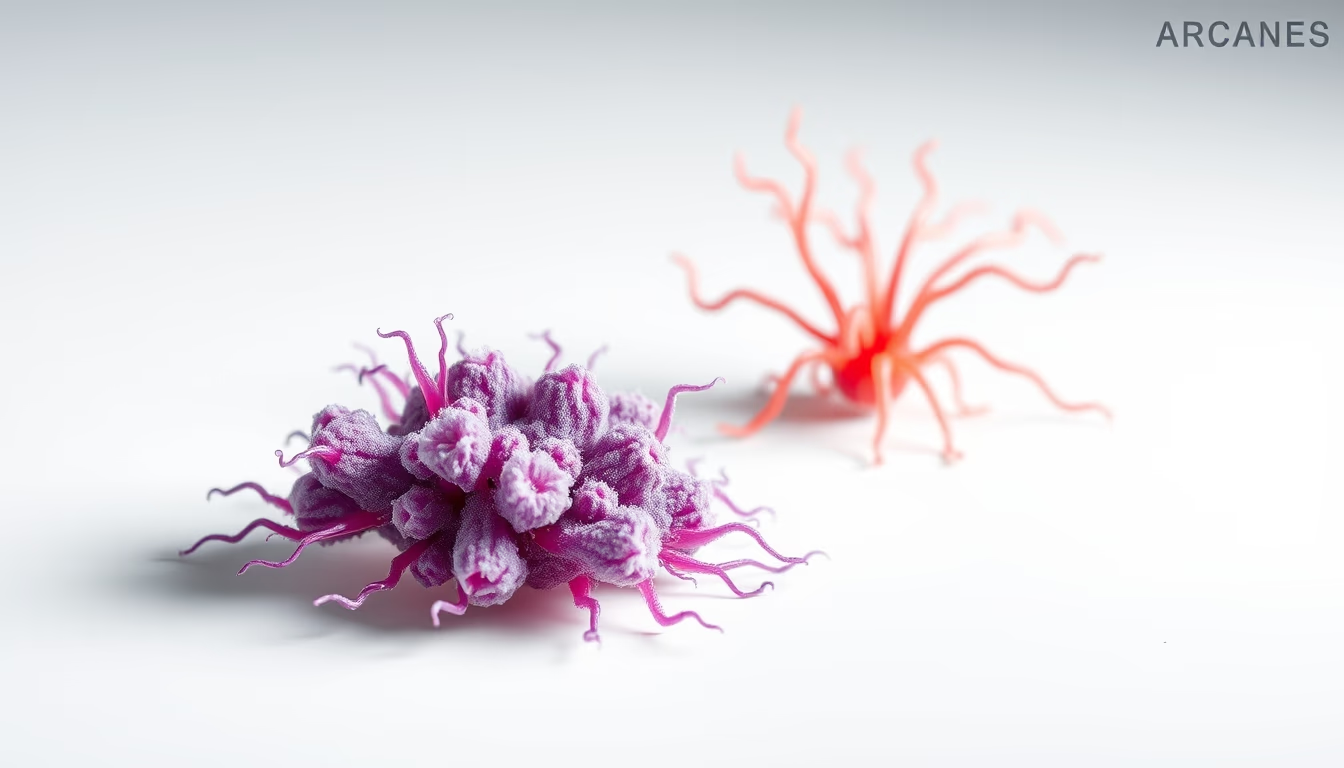
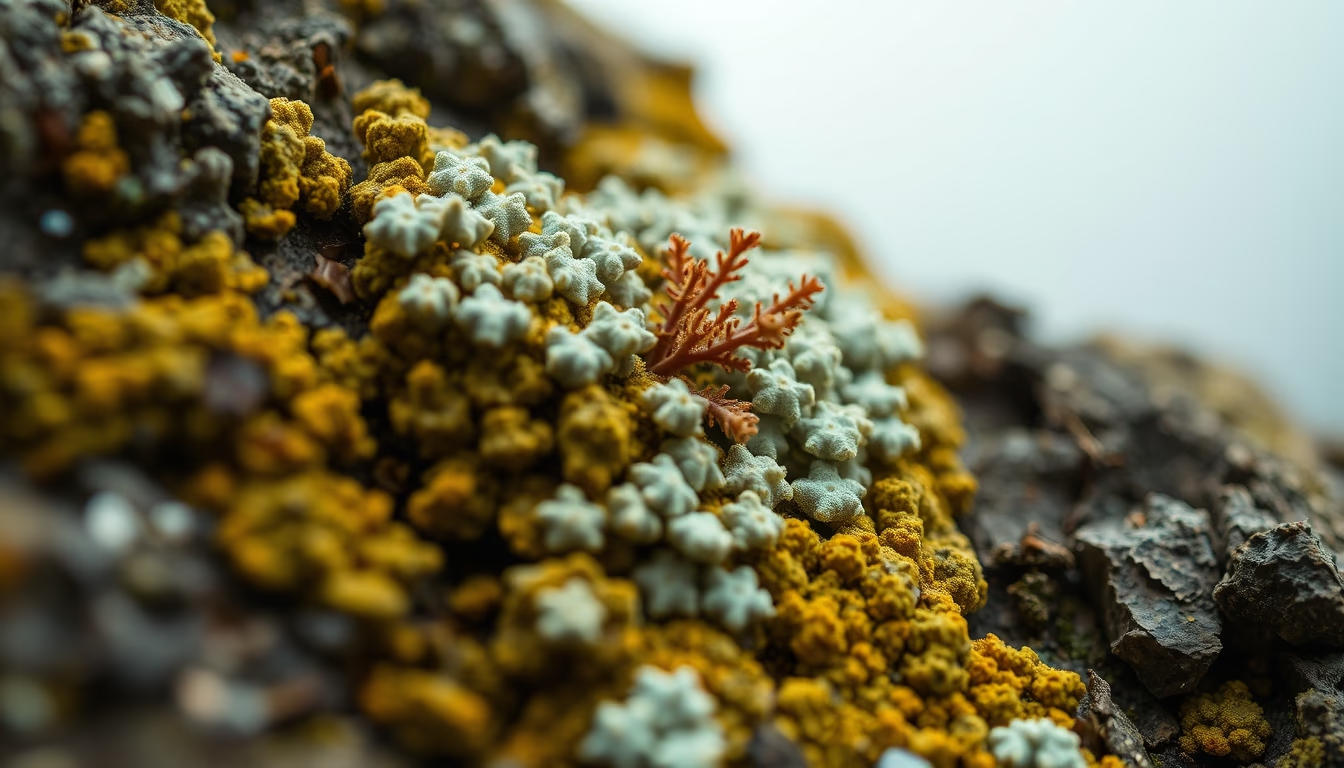
Extremophilic archaea are single-celled microorganisms that thrive in extreme environments, such as hydrothermal vents, hypersaline lakes, and volcanoes.
About this subject
Archaea constitute one of the three domains of life, alongside Bacteria and Eukaryotes. Extremophiles are archaea that inhabit conditions considered inhospitable for most living beings: temperatures above 100°C, extreme acidic or alkaline pH, high salt concentrations, or pressure. Notable examples include thermophiles of the genus Sulfolobus, found in acidic hot springs, and halophiles such as Halobacterium, which live in hypersaline lakes like the Great Salt Lake in the United States.
These organisms have unique biochemical adaptations. For instance, their cell membranes are composed of ether lipids linked to isoprenoids, providing stability at extreme temperatures. Enzymes from extremophiles, called extremozymes, are exploited in biotechnology for industrial processes requiring high temperature or salinity, such as biofuel production and bioremediation. The discovery of archaea in the 1970s by Carl Woese revolutionized the classification of life.
Culturally and scientifically, these microorganisms expand our understanding of the limits of life on Earth and the potential for life on other planets. Mars, for example, has saline and cold environments that could host similar organisms. Research on extremophiles also contributes to studies on the origin of life, as it is believed that the first living beings may have emerged under extreme conditions. Interestingly, some archaea produce methane (methanogens) and are responsible for a large portion of atmospheric methane, and are also used in waste treatment processes.
Frequently Asked Questions
Where are extremophilic archaea found?
They inhabit places like oceanic hydrothermal vents, volcanoes, hypersaline lakes, frozen deserts, and acidic or alkaline environments. Examples include Yellowstone National Park (USA) and the Dead Sea.
What is the biotechnological importance of extremophilic archaea?
Their enzymes (extremozymes) are used in detergents, food processing, biofuel production, and bioremediation, as they withstand extreme temperature and salinity conditions.
Can extremophilic archaea exist on other planets?
Yes, scientists study these organisms as analogs for possible life on Mars or Europa (Jupiter's moon), due to the presence of similar extreme environments.
Direct URL
https://pub-c7d6a6ea828543ac903a74a341ccb2e1.r2.dev/imagens/archaea-extremophile-rembrandt-lighting-dramatic-shadows-fresh8.avifHow to credit
Include a visible link back to UtilizAí. Copy one of the snippets below:
<a href="https://xn--utiliza-eza.com/en/midia/imagens/archaea-extremophile-rembrandt-lighting-dramatic-shadows-fresh8">Archaea extremophile</a> by <a href="https://xn--utiliza-eza.com">UtilizAí</a>, licensed under <a href="https://creativecommons.org/licenses/by/4.0/">CC BY 4.0</a>.
[Archaea extremophile](https://xn--utiliza-eza.com/en/midia/imagens/archaea-extremophile-rembrandt-lighting-dramatic-shadows-fresh8) by [UtilizAí](https://xn--utiliza-eza.com), CC BY 4.0
License: CC-BY-4.0