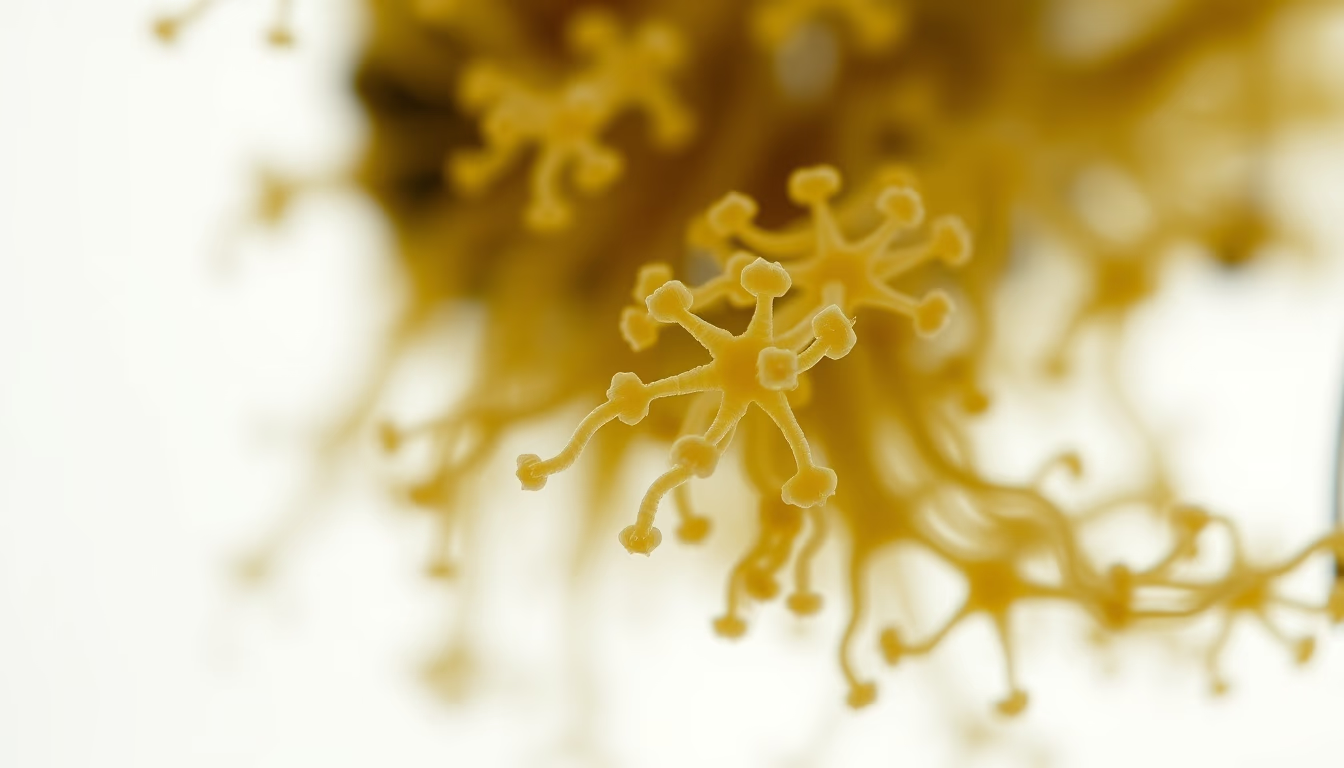
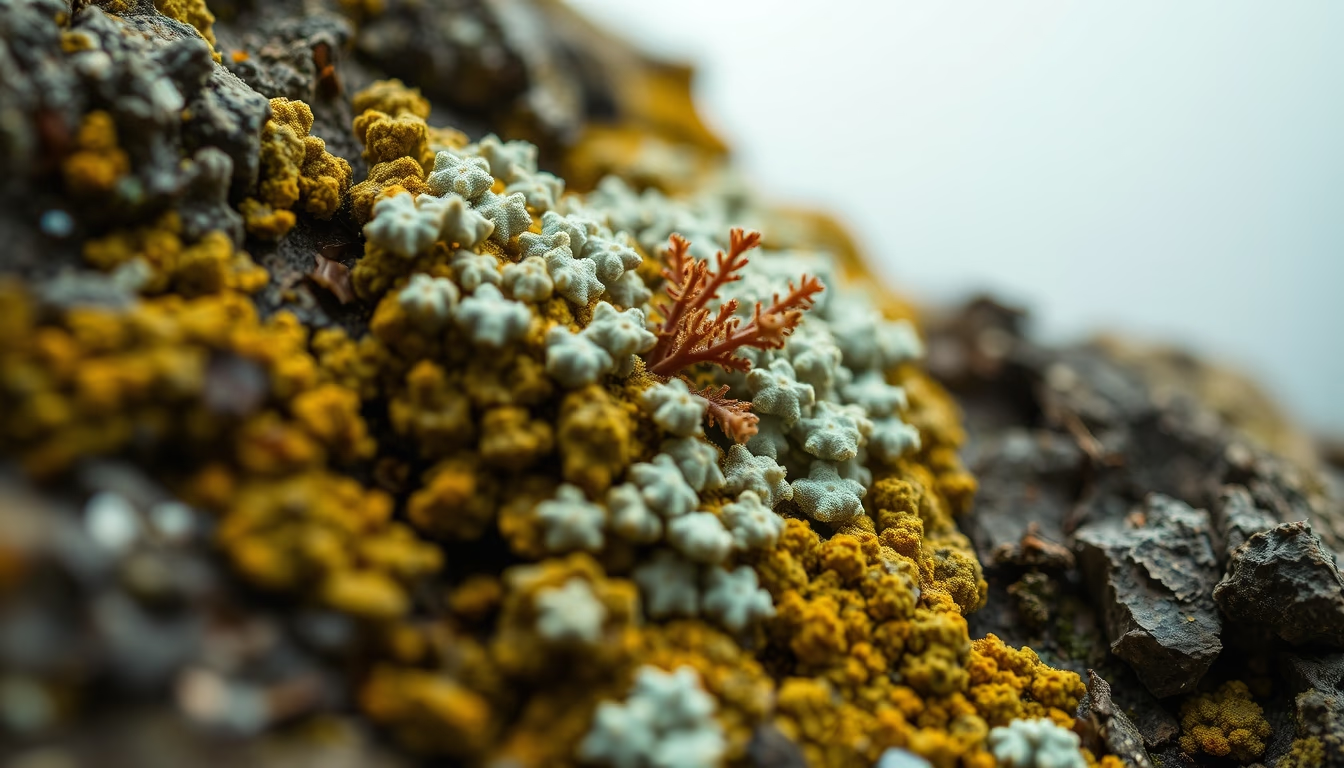
Archaea extremophile
1344×768 · AVIF · CC BY 4.0

Extremophilic archaea are single-celled microorganisms that thrive in extreme environmental conditions such as hydrothermal vents, salt flats, and acidic environments.
About this subject
Extremophilic archaea represent a fascinating group of microorganisms belonging to the domain Archaea, distinct from bacteria and eukaryotes. They are known for their ability to survive and reproduce under conditions that would be lethal to most life forms. Examples include thermophiles, which live at temperatures above 80°C in oceanic hydrothermal vents; halophiles, which inhabit environments with high salt concentrations, such as the Dead Sea; and acidophiles, which thrive at pH near zero, like in acid mine drainage.
These organisms possess unique biochemical adaptations, such as thermostable enzymes and cell membranes composed of ether lipids instead of esters, providing stability under extreme conditions. Extremophilic archaea are of great interest to astrobiology, as they suggest that life could exist on other planets with harsh environments, such as Mars or the icy moons of Jupiter and Saturn. Additionally, their enzymes are widely used in biotechnology, for example, in the polymerase chain reaction (PCR), which employs Taq polymerase derived from the thermophilic archaeon Thermus aquaticus.
The study of extremophilic archaea also contributes to understanding the evolution of life on Earth. They are thought to be close to the first organisms that emerged on the planet, when conditions were extremely hot and sulfur-rich. Research in Yellowstone National Park and deep-sea hydrothermal vents has continuously revealed new species, expanding our knowledge of the limits of life.
Frequently Asked Questions
What are extremophilic archaea?
They are microorganisms from the domain Archaea that thrive in extreme conditions such as high temperatures, salinity, or acidity. They have cellular and enzymatic adaptations that allow survival in these environments.
Where can extremophilic archaea be found?
They are found in hydrothermal vents, geysers, salt lakes, deserts, acidic mine drainages, and Antarctic ice. Common habitats include Yellowstone and the Dead Sea.
Why are extremophilic archaea important for biotechnology?
Their stable enzymes under extreme conditions are used in industrial processes such as PCR (polymerase chain reaction) with Taq polymerase, as well as in biofuel production and bioremediation.
Direct URL
https://pub-c7d6a6ea828543ac903a74a341ccb2e1.r2.dev/imagens/archaea-extremophile-long-exposure-fresh4.avifHow to credit
Include a visible link back to UtilizAí. Copy one of the snippets below:
<a href="https://xn--utiliza-eza.com/en/midia/imagens/archaea-extremophile-long-exposure-fresh4">Archaea extremophile</a> by <a href="https://xn--utiliza-eza.com">UtilizAí</a>, licensed under <a href="https://creativecommons.org/licenses/by/4.0/">CC BY 4.0</a>.
[Archaea extremophile](https://xn--utiliza-eza.com/en/midia/imagens/archaea-extremophile-long-exposure-fresh4) by [UtilizAí](https://xn--utiliza-eza.com), CC BY 4.0
License: CC-BY-4.0