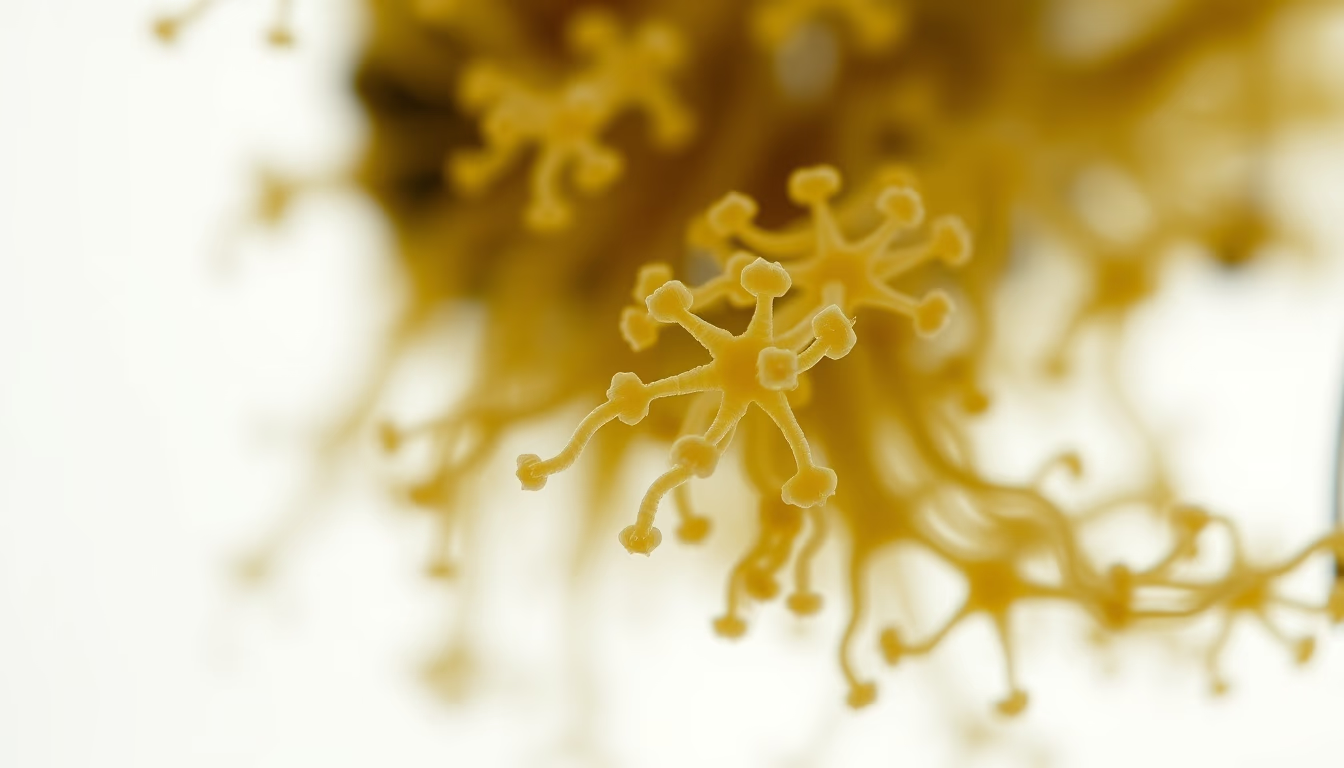
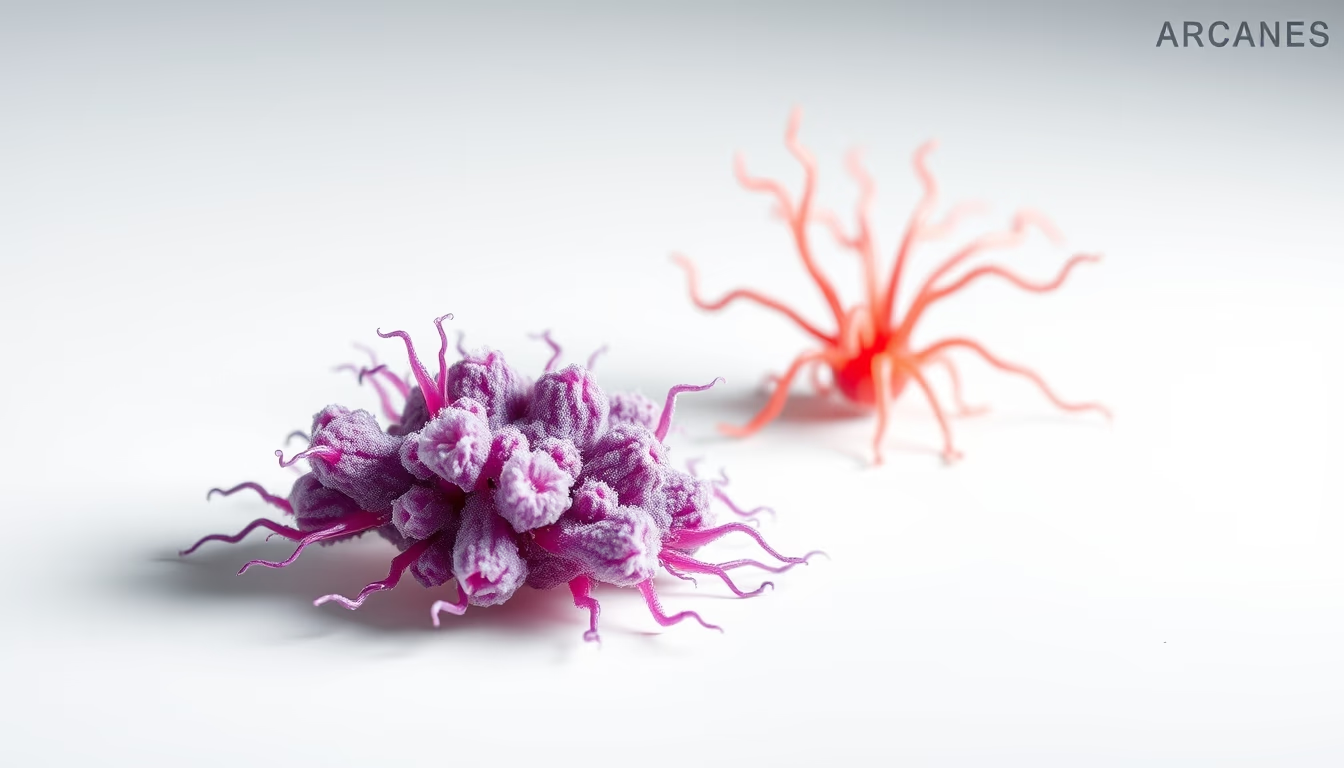
Archaea extremophile
1344×768 · AVIF · CC BY 4.0
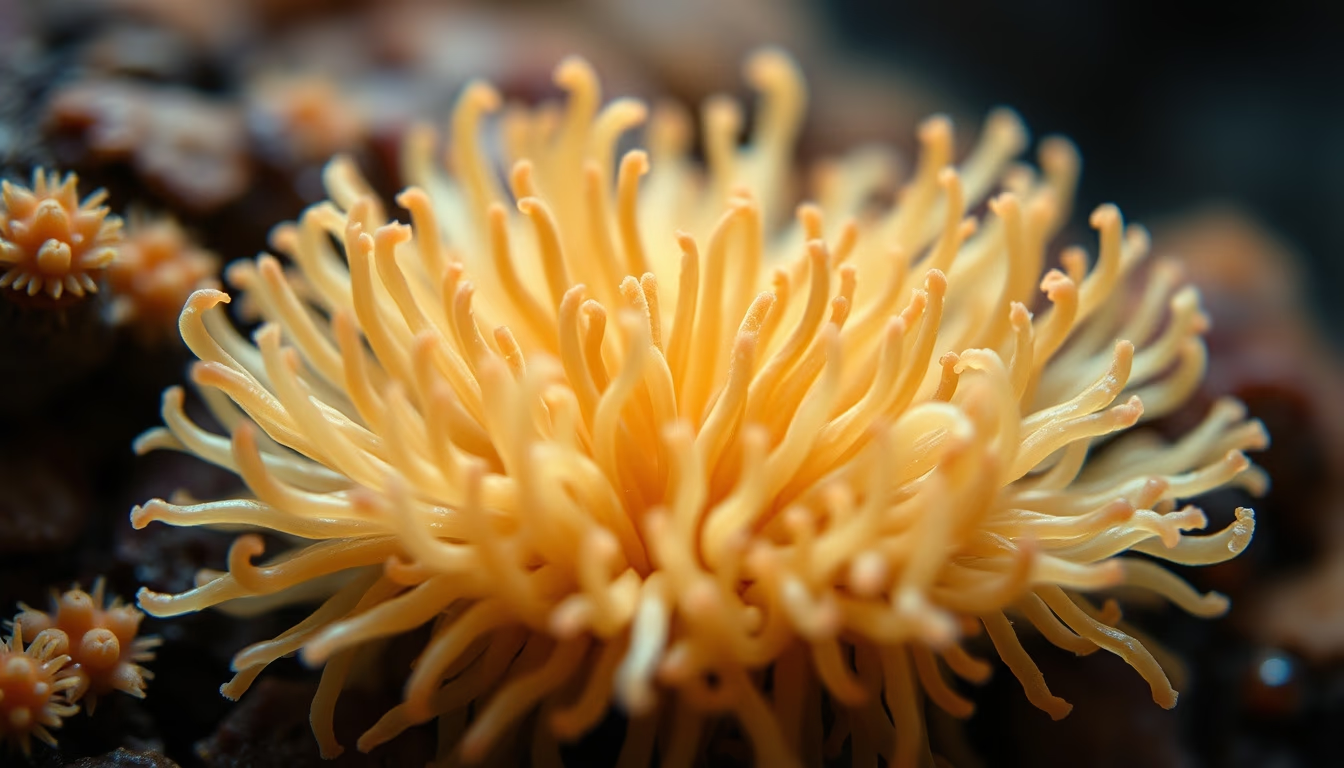
Extremophilic archaea are single-celled microorganisms that thrive in extreme environments such as hot springs, underwater volcanoes, and hypersaline lakes.
About this subject
Archaea constitute one of the three domains of life, alongside bacteria and eukaryotes. They differ from bacteria in their membrane lipid composition (ethers instead of esters) and their genetic machinery, which is more similar to that of eukaryotes. Extremophilic archaea are specialized for habitats where most other organisms cannot survive. Examples include thermophiles, living above 80 °C in hot springs of Yellowstone National Park; halophiles, requiring high salt concentrations such as in the Dead Sea; acidophiles, tolerating pH below 3 in acid mine drainage; and piezophiles, inhabiting deep ocean trenches under high pressure.
These organisms are considered models for studying the origin of life on Earth, as conditions similar to their habitats may have existed on the early planet. Additionally, they possess enzymes stable under extreme conditions, such as Taq polymerase from the thermophilic bacterium Thermus aquaticus (similar concept) that revolutionized PCR. Archaea also play crucial roles in biogeochemical cycles, such as methanogenesis carried out by methanogenic archaea in swamps and the digestive tracts of ruminants.
A fascinating curiosity is that some extremophilic archaea can survive intense ultraviolet radiation and desiccation, traits that make them candidates for life on other planets. Recent research indicates that the metabolic diversity of archaea is underestimated, with new species being discovered in previously thought inhospitable environments.
Frequently Asked Questions
What are extremophilic archaea?
They are microorganisms from the domain Archaea that thrive in extreme environmental conditions, such as temperatures above 80 °C, acidic pH, high salinity, or high pressure.
Where are extremophilic archaea found?
They are found in hot springs, underwater volcanoes, salt lakes, acid mine drainage, glaciers, deep subsurface, and other harsh habitats.
Why are extremophilic archaea important for science?
They provide robust enzymes for biotechnology (e.g., thermostable polymerases) and help understand the limits of life, with implications for astrobiology and evolution.
Direct URL
https://pub-c7d6a6ea828543ac903a74a341ccb2e1.r2.dev/imagens/archaea-extremophile-lo-fi-disposable-camera-fresh2.avifHow to credit
Include a visible link back to UtilizAí. Copy one of the snippets below:
<a href="https://xn--utiliza-eza.com/en/midia/imagens/archaea-extremophile-lo-fi-disposable-camera-fresh2">Archaea extremophile</a> by <a href="https://xn--utiliza-eza.com">UtilizAí</a>, licensed under <a href="https://creativecommons.org/licenses/by/4.0/">CC BY 4.0</a>.
[Archaea extremophile](https://xn--utiliza-eza.com/en/midia/imagens/archaea-extremophile-lo-fi-disposable-camera-fresh2) by [UtilizAí](https://xn--utiliza-eza.com), CC BY 4.0
License: CC-BY-4.0