Archaea extremophile
1344×768 · AVIF · CC BY 4.0
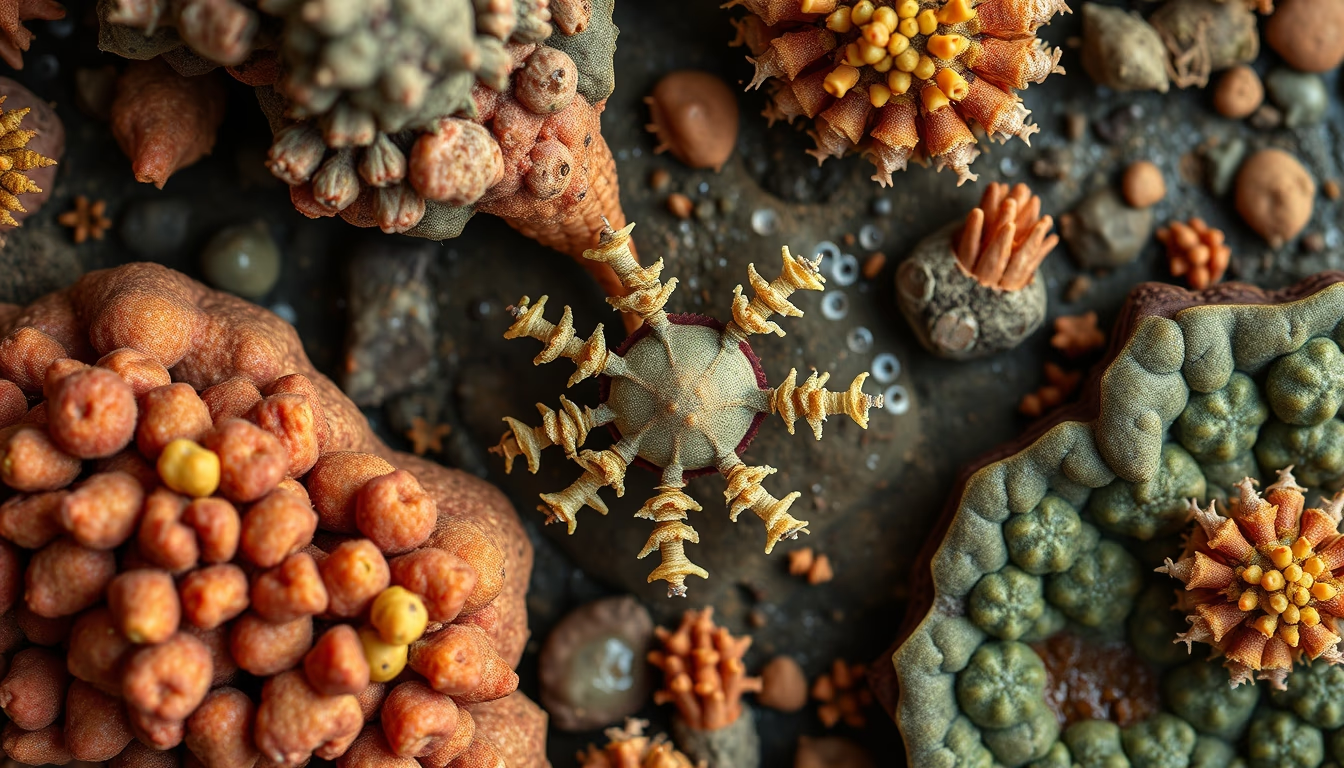
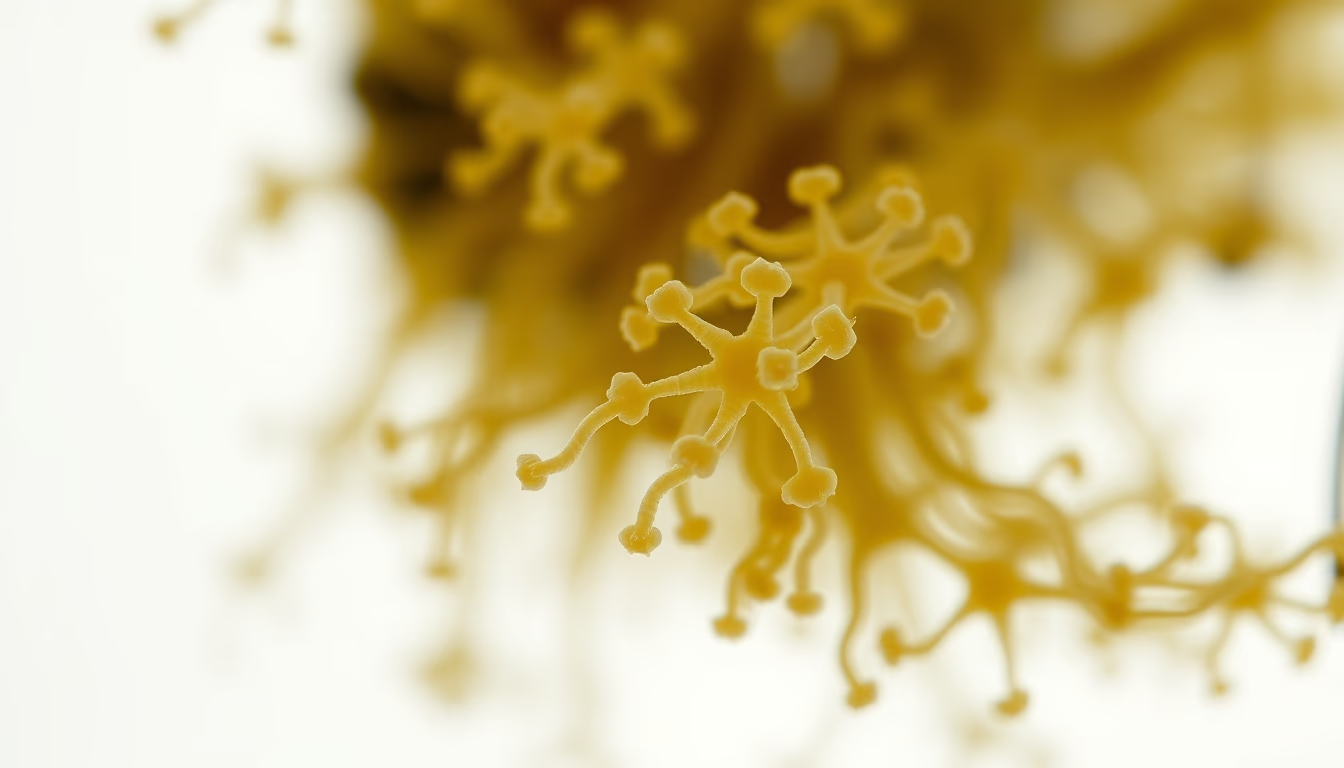
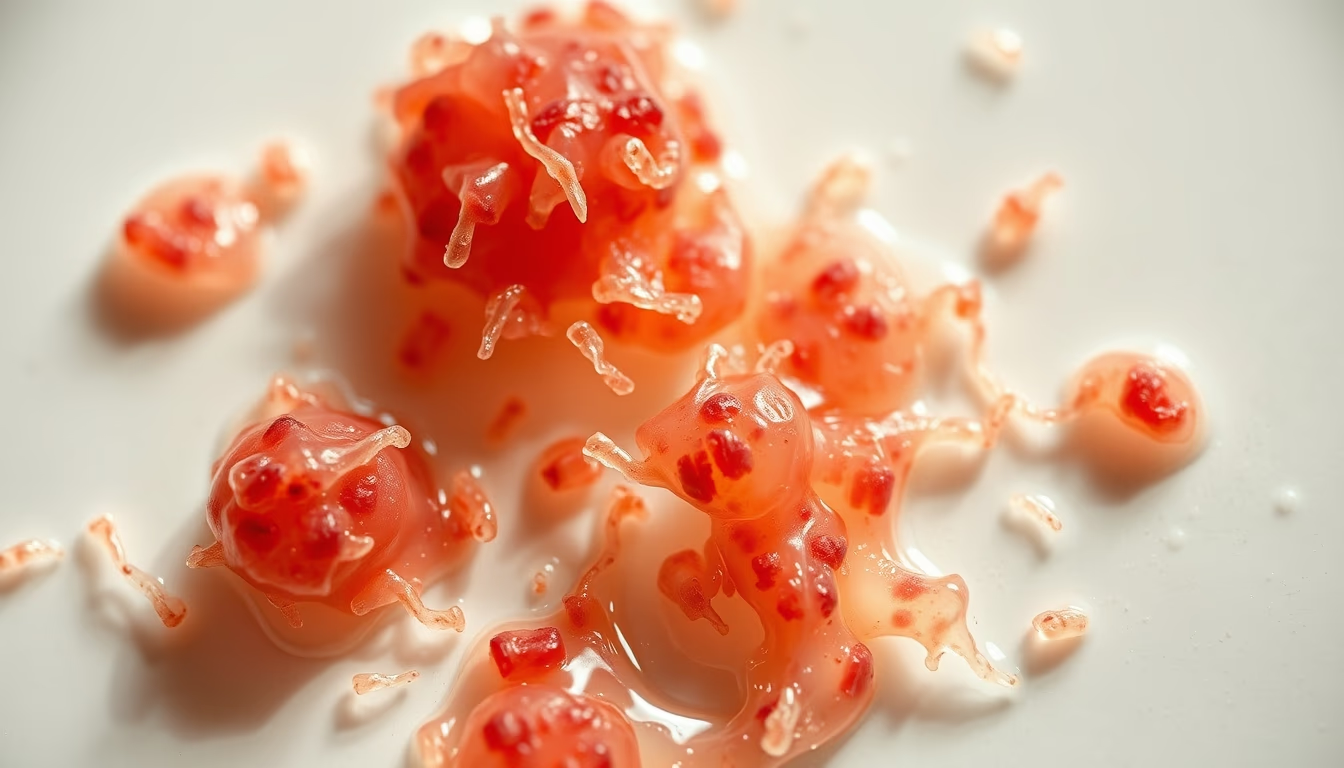
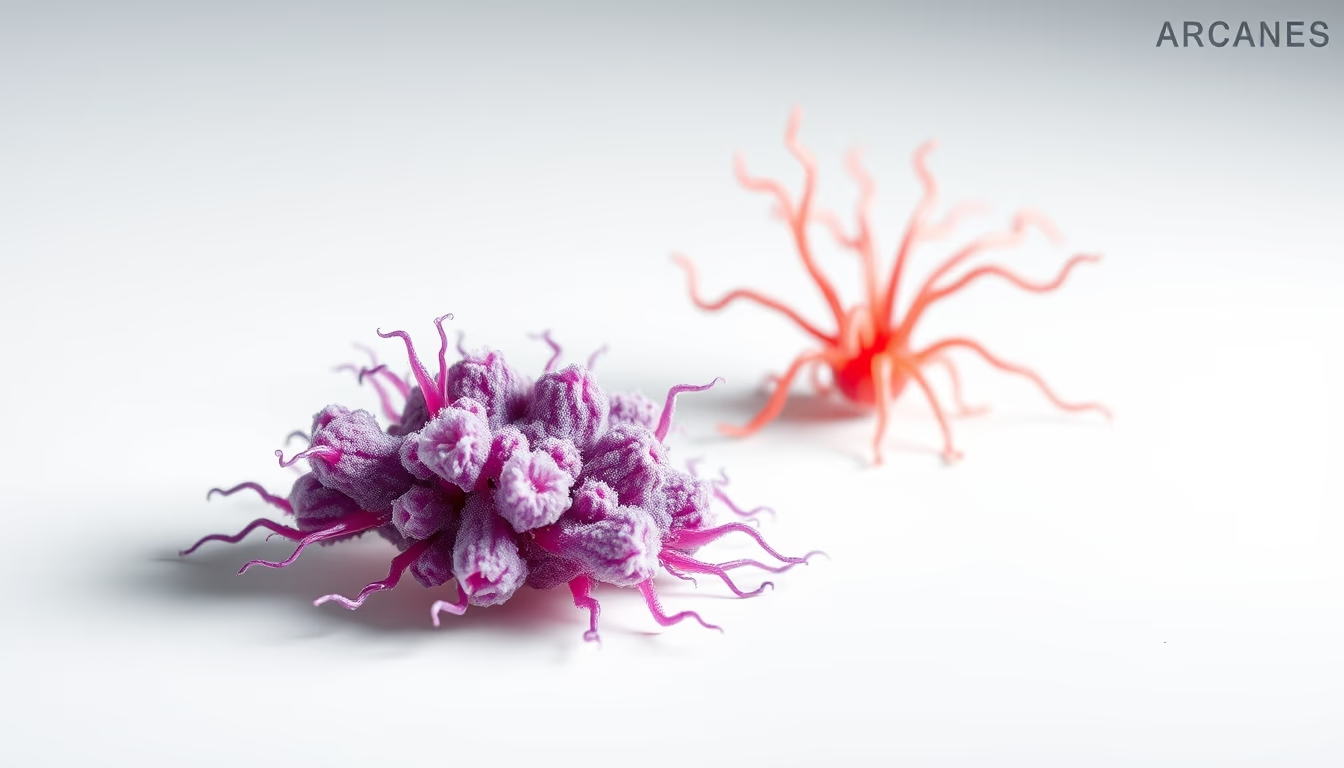
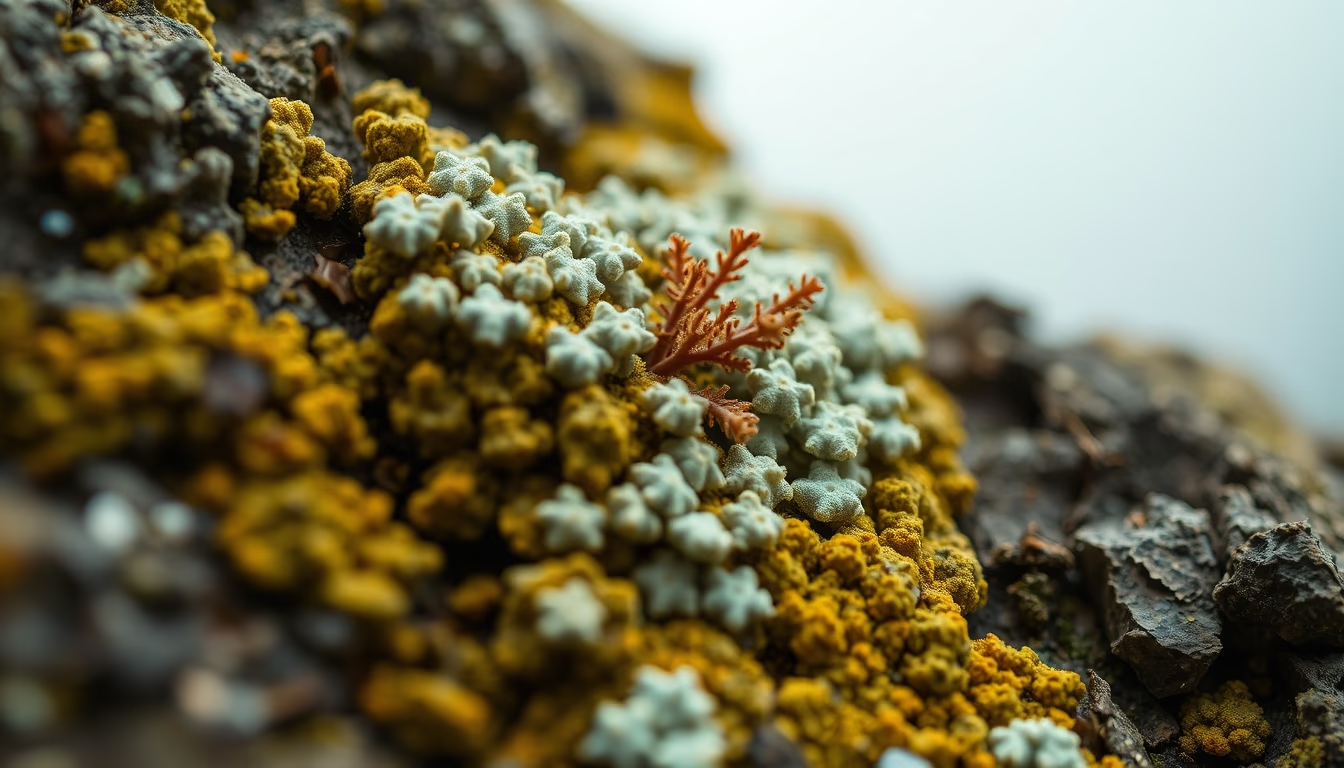
Extremophilic archaea are single-celled microorganisms thriving in extreme environments such as hot springs, volcanoes, and hypersaline salt flats.
About this subject
Extremophilic archaea are a domain of unicellular prokaryotes distinct from bacteria and eukaryotes. They were first identified in the 1970s by microbiologist Carl Woese, who classified them as a third domain of life based on ribosomal RNA analysis. These organisms inhabit environments once considered inhospitable: hot springs above 100°C, Antarctic glaciers, deep-sea hydrothermal vents, hypersaline lakes like the Dead Sea, and highly acidic or alkaline settings.
Their survival relies on unique biochemical adaptations. Archaeal cell membranes consist of ether-linked lipids with isoprenoid chains, unlike the ester-linked lipids in bacteria and eukaryotes. This structure provides thermal stability and resistance to extreme conditions. Moreover, many archaea produce extremozymes, enzymes that function at high temperatures, salinity, or pH. The Taq polymerase, derived from the archaeon Thermus aquaticus (originally from hot springs), revolutionized molecular biology by enabling the polymerase chain reaction (PCR).
Extremophilic archaea also play vital ecological roles. In oceans, marine archaea of the Thaumarchaeota group oxidize ammonia and significantly contribute to the nitrogen cycle. In anaerobic environments, methanogenic archaea produce methane as a metabolic byproduct, influencing global climate. Research suggests these microorganisms may have been the first life forms on early Earth when conditions were extreme, and they serve as models for searching for life on other planets, such as Mars and the moons of Jupiter and Saturn.
Frequently Asked Questions
What are extremophilic archaea?
Extremophilic archaea are single-celled microorganisms from the domain Archaea that thrive in extreme environments such as hot springs, hypersaline lakes, and hydrothermal vents. They have biochemical adaptations allowing survival under high temperature, salinity, pH, or pressure.
Where can extremophilic archaea be found?
They inhabit locations like Yellowstone hot springs, deep-sea hydrothermal vents, hypersaline lakes like the Great Salt Lake and Dead Sea, acidic mine drainages, and Antarctic glaciers.
Why are extremophilic archaea important for science and technology?
Their extremozymes, such as Taq polymerase, are widely used in biotechnology, especially in PCR. They also help understand the limits of life on Earth and serve as models in astrobiology for the search of extraterrestrial life.
Direct URL
https://pub-c7d6a6ea828543ac903a74a341ccb2e1.r2.dev/imagens/archaea-extremophile-isometric-flat-lay-fresh5.avifHow to credit
Include a visible link back to UtilizAí. Copy one of the snippets below:
<a href="https://xn--utiliza-eza.com/en/midia/imagens/archaea-extremophile-isometric-flat-lay-fresh5">Archaea extremophile</a> by <a href="https://xn--utiliza-eza.com">UtilizAí</a>, licensed under <a href="https://creativecommons.org/licenses/by/4.0/">CC BY 4.0</a>.
[Archaea extremophile](https://xn--utiliza-eza.com/en/midia/imagens/archaea-extremophile-isometric-flat-lay-fresh5) by [UtilizAí](https://xn--utiliza-eza.com), CC BY 4.0
License: CC-BY-4.0