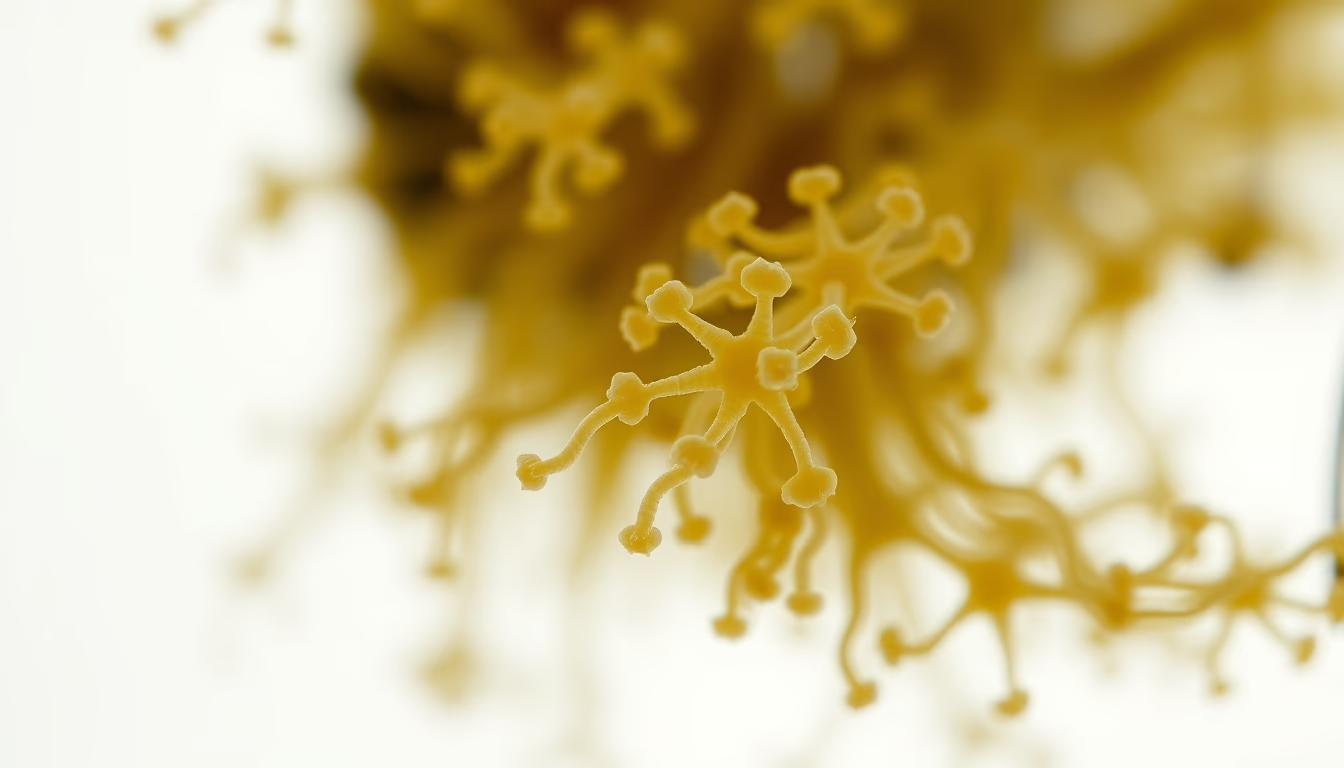
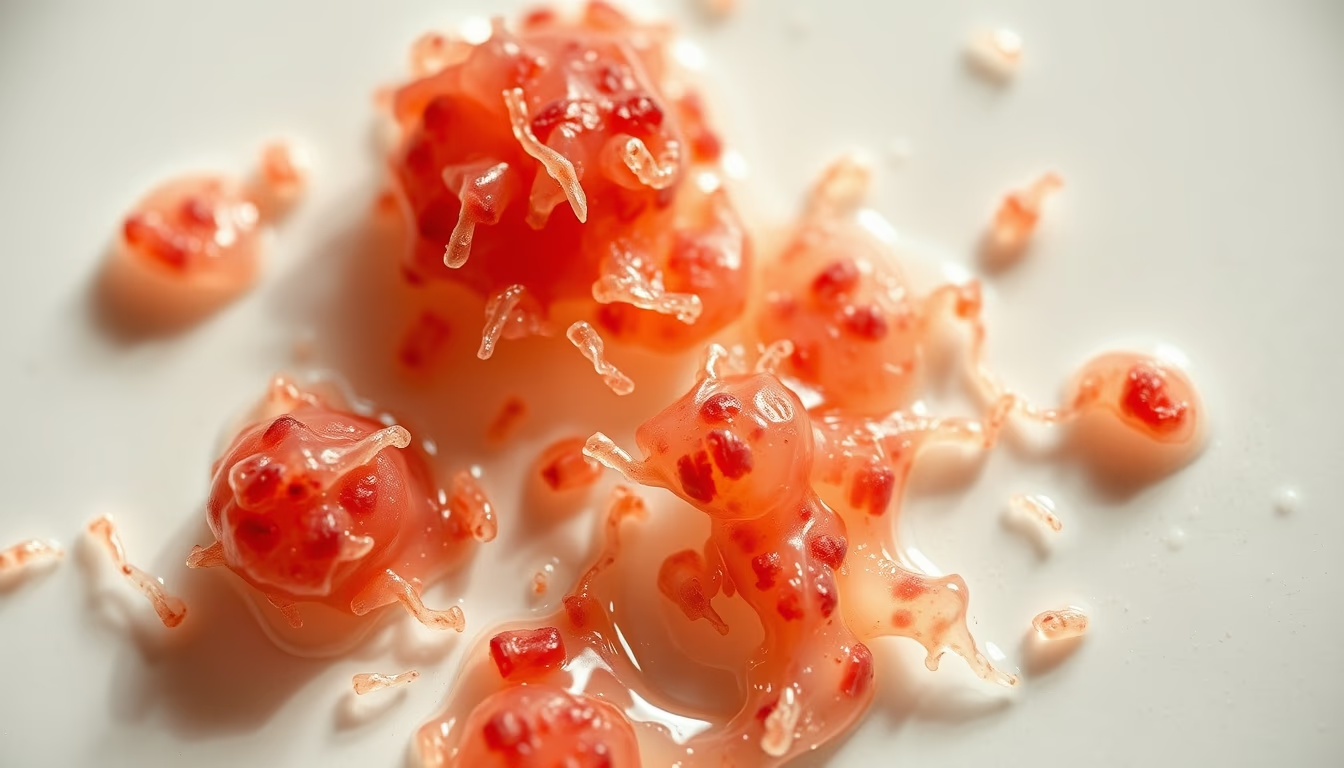
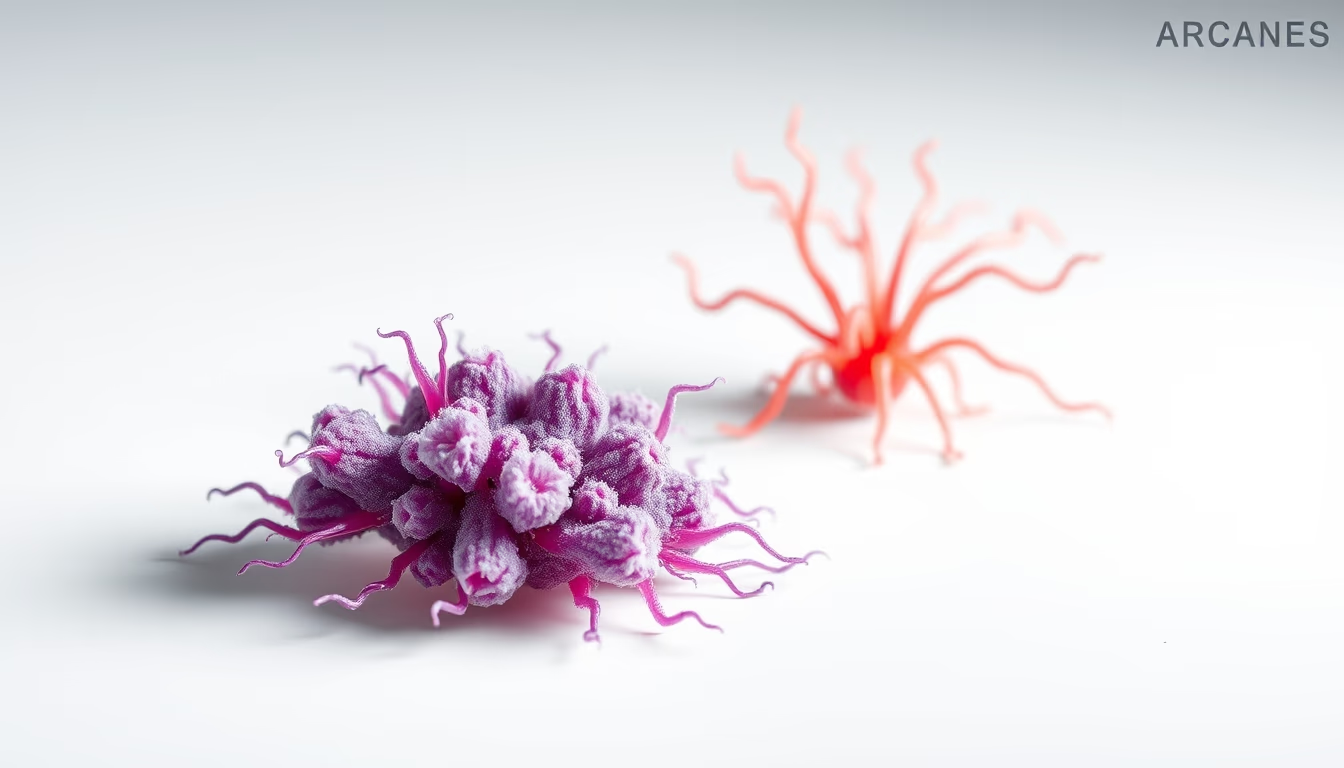
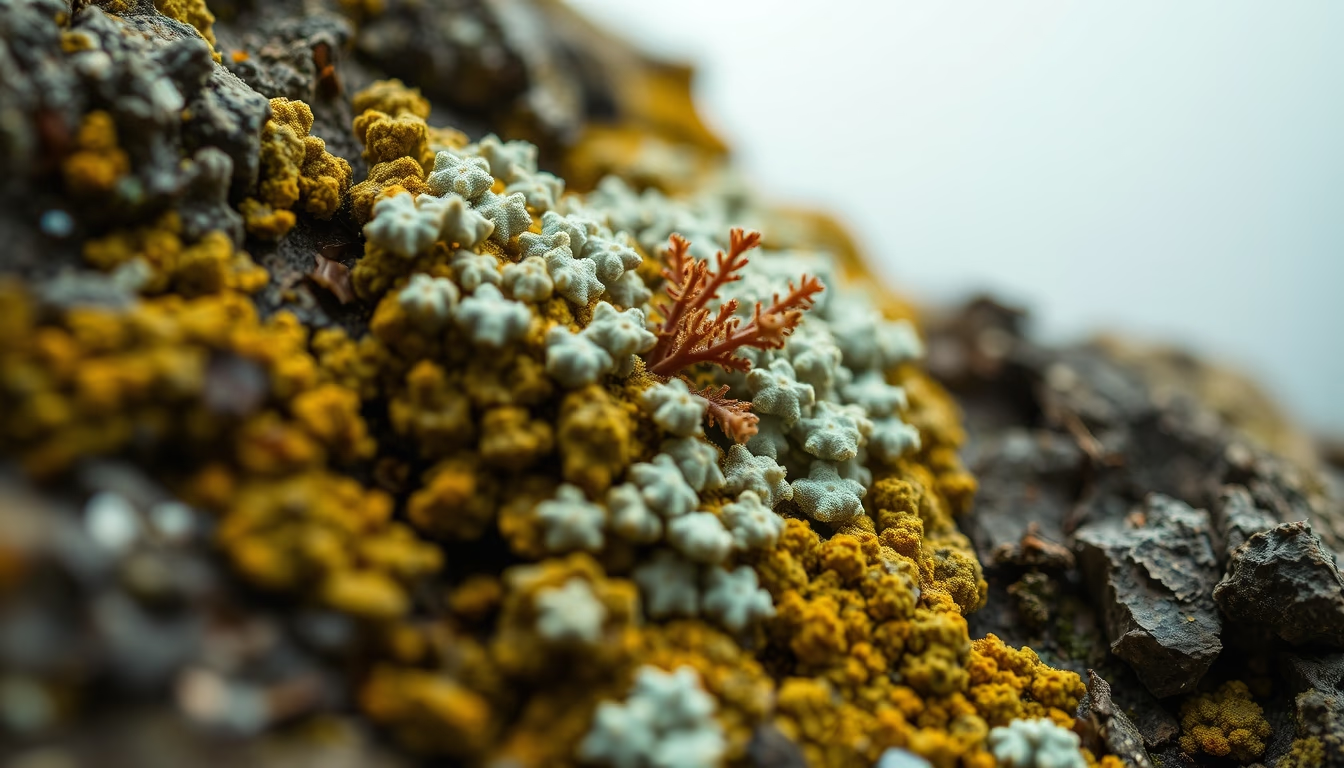
Archaea extremophile
1344×768 · AVIF · CC BY 4.0
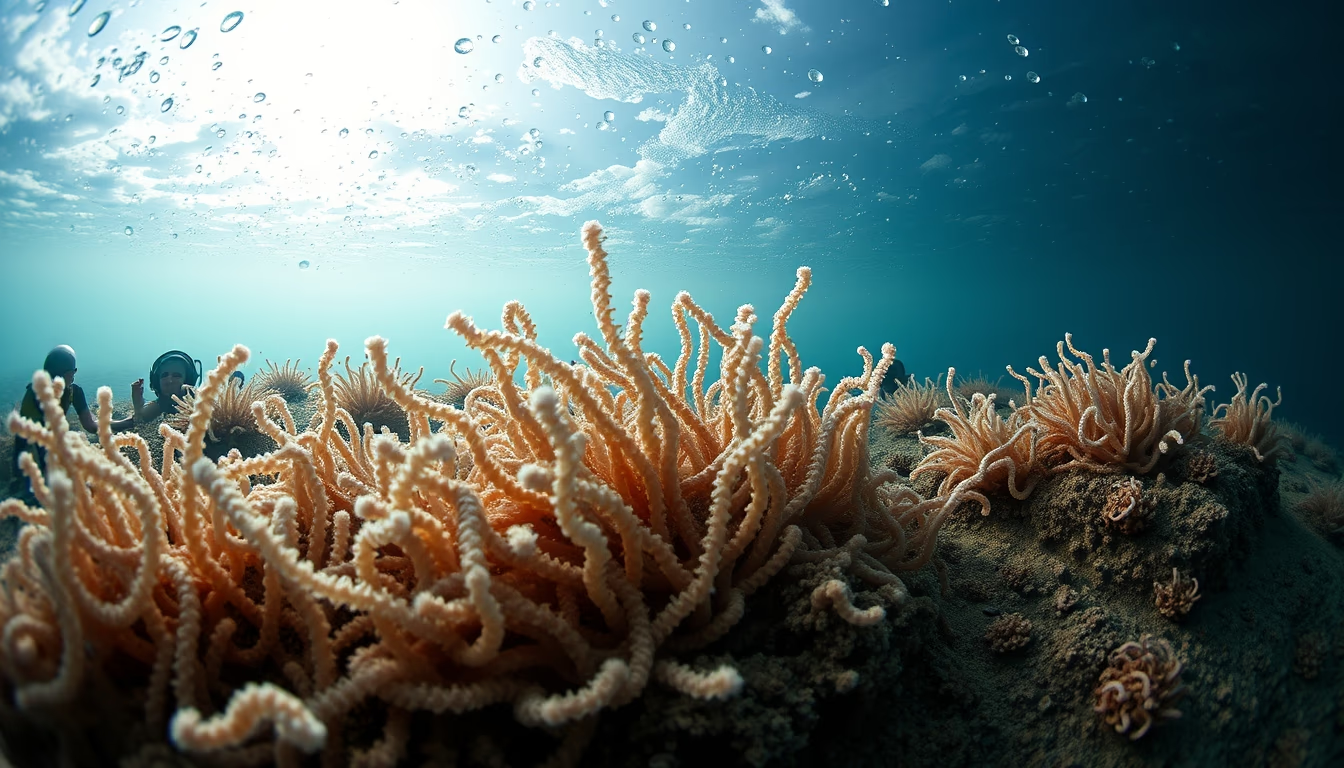
Extremophilic archaea are single-celled microorganisms that thrive in extreme environments such as hydrothermal vents, salt lakes, and volcanic regions.
About this subject
Archaea constitute one of the three domains of life, alongside Bacteria and Eukaryotes. They differ from bacteria in their lipid composition and unique genetic machinery. Extremophilic archaea are especially adapted to conditions that would be lethal to most life forms. They inhabit places like oceanic hydrothermal vents, where temperatures exceed 100°C, hypersaline lakes such as the Great Salt Lake in the United States, and acidic environments like mine drainages with pH near zero.
These microorganisms possess specialized enzymes, such as thermostable ones, widely used in biotechnology. The Taq polymerase, extracted from Thermus aquaticus (a bacterium), revolutionized PCR. However, archaea like Pyrococcus furiosus provide even more resilient enzymes. Additionally, some methanogenic archaea produce methane in swamps and the digestive tracts of ruminants, contributing to the carbon cycle.
The discovery of extremophilic archaea expanded the limits of life on Earth and influenced astrobiology. Environments such as Yellowstone's hot springs or Iceland's volcanoes are analogs to possible conditions on Mars or icy moons like Europa. Research continues to reveal new species, some surviving high radiation doses or extreme pressures.
A curiosity: archaea are not known to be pathogenic to humans, unlike many bacteria. They play crucial ecological roles in biogeochemical cycles, especially nitrogen and sulfur. In hydrothermal vents, they form the base of complex ecosystems, supporting organisms such as giant tube worms and clams.
Frequently Asked Questions
What differentiates archaea from bacteria?
Archaea have ether-linked lipids with isoprenoid chains in their cell membranes, while bacteria have ester-linked lipids with fatty acids. Their transcription and translation machinery is more similar to eukaryotes.
Where can extremophilic archaea be found?
They inhabit extreme environments such as oceanic hydrothermal vents, salt lakes (e.g., Dead Sea), acidic hot springs, volcanic areas, glaciers, and deep subsurface habitats.
Why are extremophilic archaea important for biotechnology?
They produce thermostable and solvent-resistant enzymes used in PCR, food processing, and bioremediation. For example, Pfu enzyme from Pyrococcus furiosus has higher fidelity than Taq polymerase.
Direct URL
https://pub-c7d6a6ea828543ac903a74a341ccb2e1.r2.dev/imagens/archaea-extremophile-fish-eye-wide-angle-fresh6.avifHow to credit
Include a visible link back to UtilizAí. Copy one of the snippets below:
<a href="https://xn--utiliza-eza.com/en/midia/imagens/archaea-extremophile-fish-eye-wide-angle-fresh6">Archaea extremophile</a> by <a href="https://xn--utiliza-eza.com">UtilizAí</a>, licensed under <a href="https://creativecommons.org/licenses/by/4.0/">CC BY 4.0</a>.
[Archaea extremophile](https://xn--utiliza-eza.com/en/midia/imagens/archaea-extremophile-fish-eye-wide-angle-fresh6) by [UtilizAí](https://xn--utiliza-eza.com), CC BY 4.0
License: CC-BY-4.0