Archaea extremophile
1344×768 · AVIF · CC BY 4.0
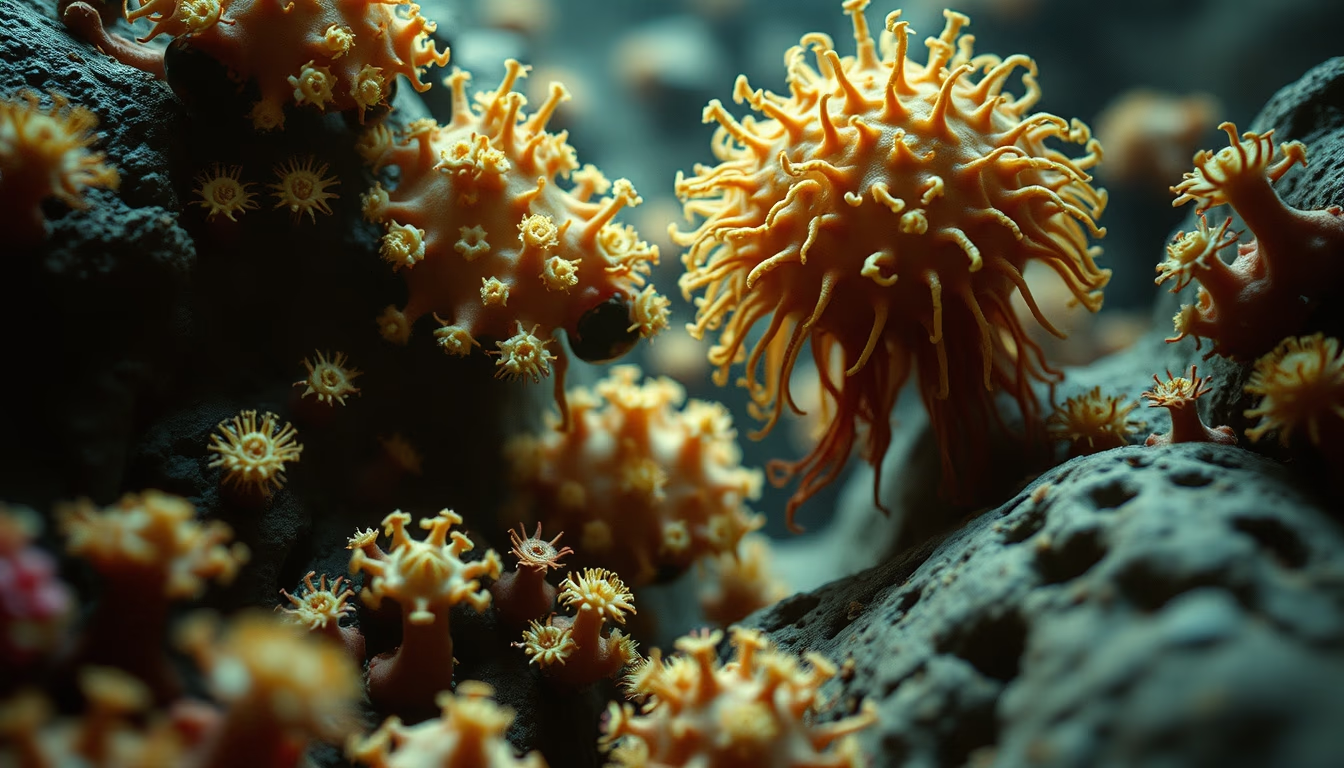
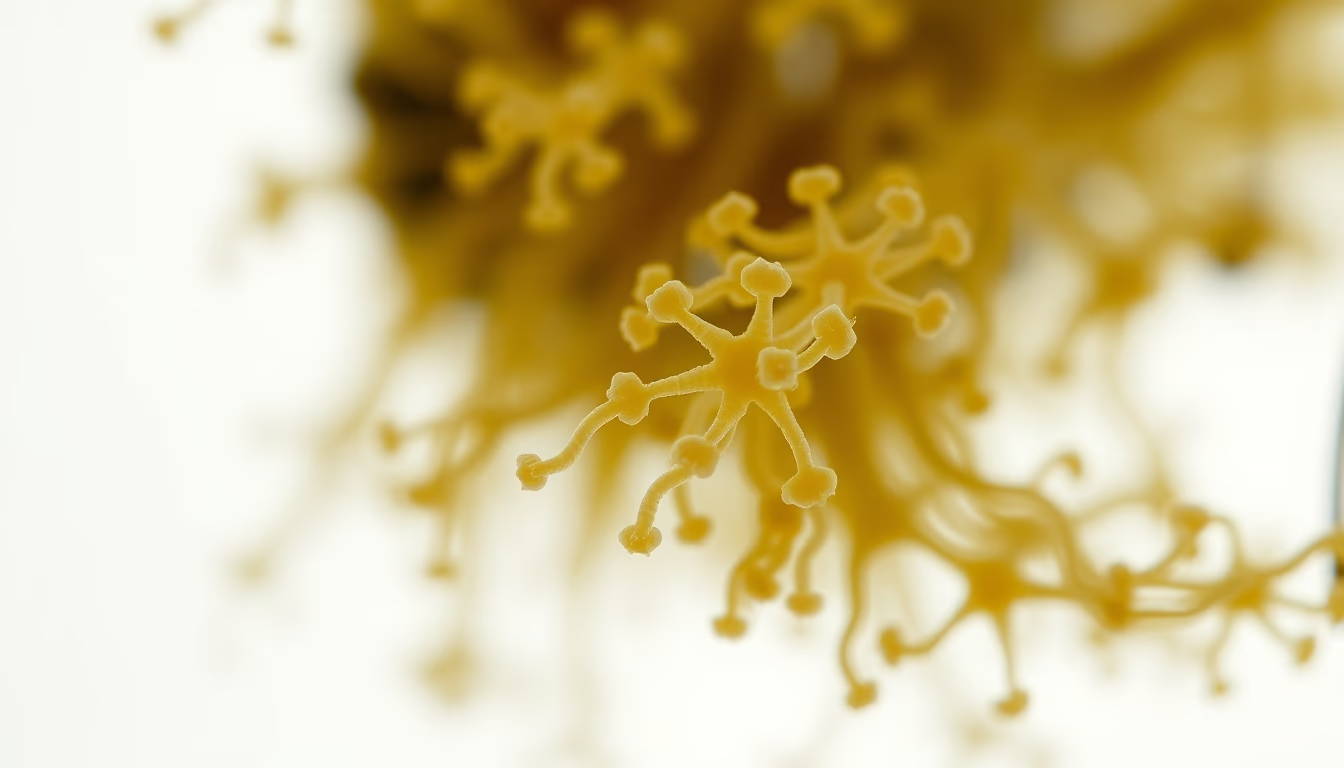
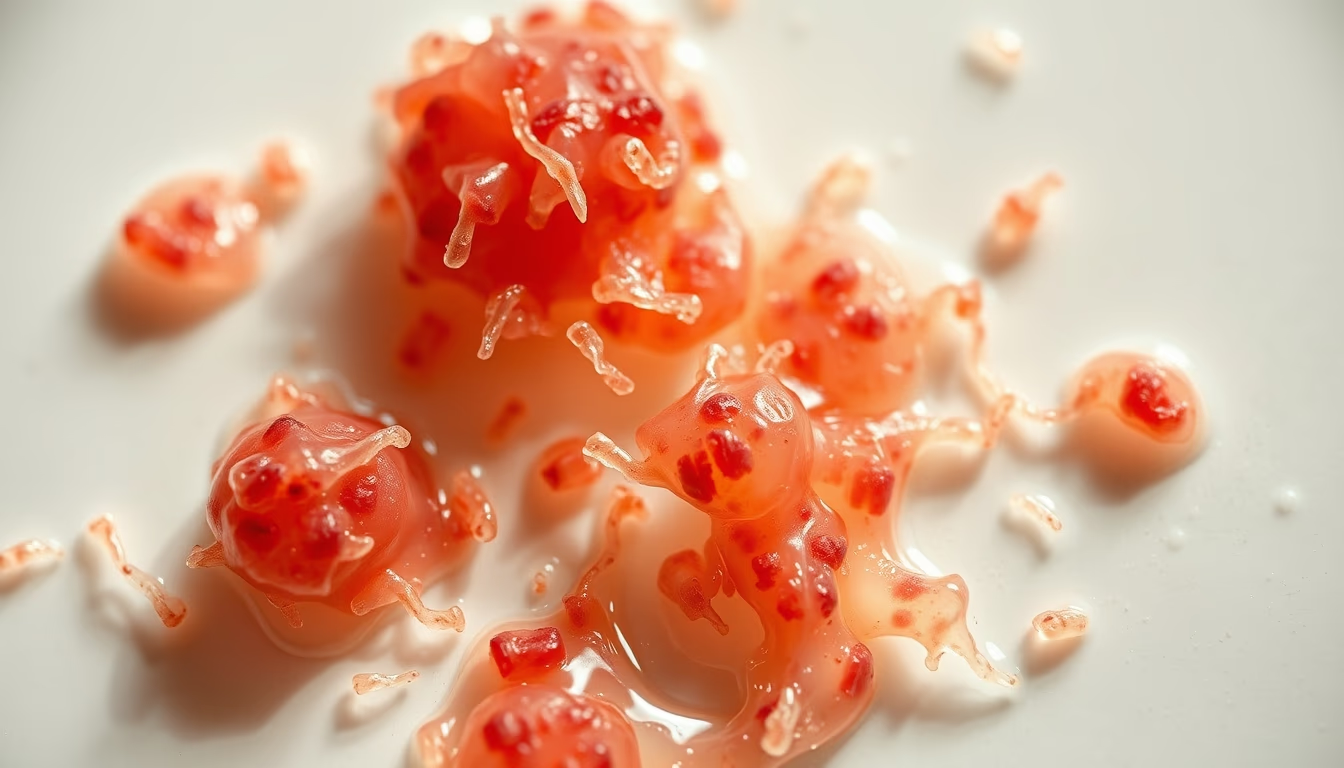
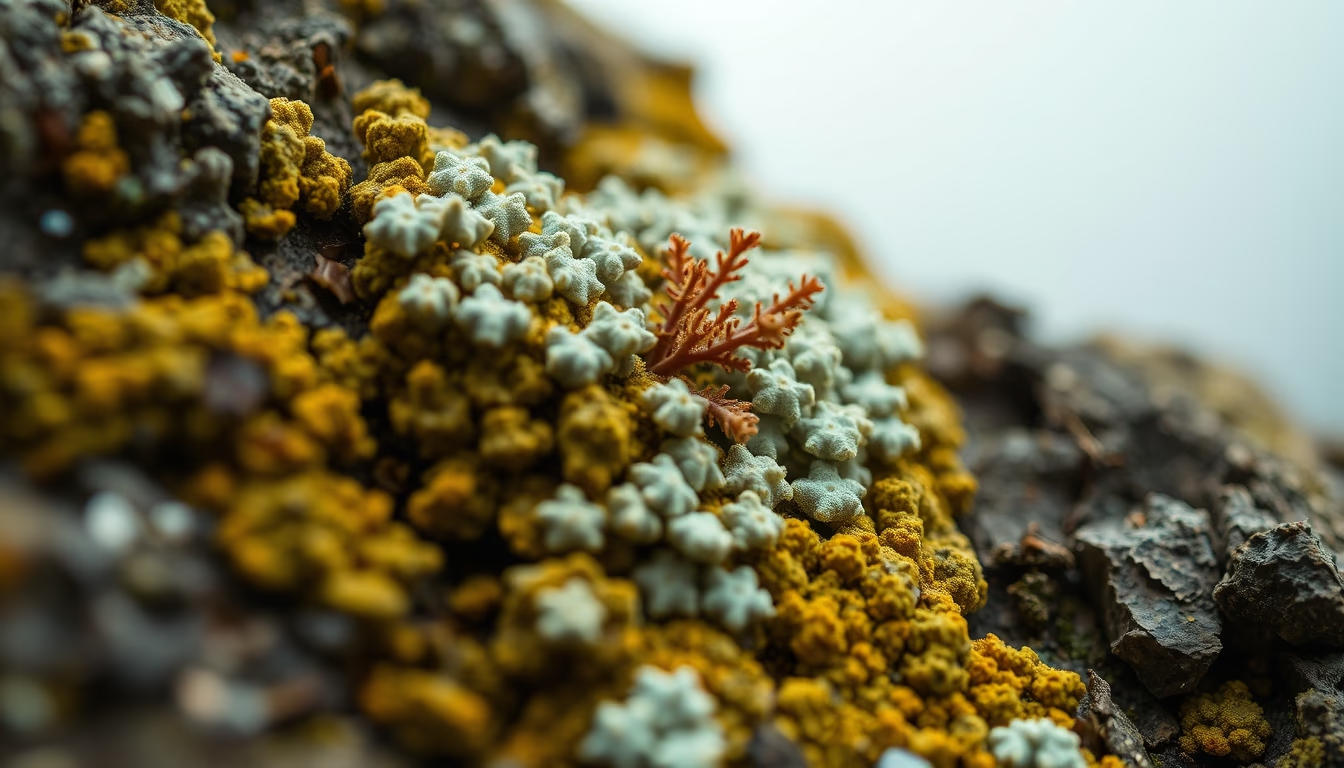
Extremophilic Archaea are single-celled microorganisms that thrive in extreme environments such as hydrothermal vents and hypersaline lakes.
About this subject
Extremophilic Archaea constitute a domain of life distinct from bacteria and eukaryotes, adapted to conditions that would be lethal to most living beings. These organisms were discovered in the 1970s by Carl Woese, who revolutionized the classification of life by identifying fundamental genetic differences. They inhabit places such as oceanic hydrothermal vents, where temperatures exceed 100°C, or salt lakes like the Great Salt Lake in the United States, where salinity reaches saturation.
The metabolic diversity of extremophilic Archaea is remarkable. Some, such as methanogens, produce methane from carbon dioxide and hydrogen, contributing to the global carbon cycle. Others, like halophiles, use sunlight through bacteriorhodopsin to generate energy, a process similar to photosynthesis but independent of chlorophyll. These adaptations include unique cell membranes composed of ether lipids, which confer stability at high temperatures and low pH.
These microorganisms have great biotechnological importance. Enzymes such as Taq polymerases from Thermus aquaticus (a bacterium, but with similar applications) revolutionized molecular biology, though heat-stable enzymes from Archaea also exist, such as DNA polymerases from Pyrococcus furiosus, used in high-fidelity PCR. Additionally, recent research suggests that Archaea may have played a crucial role in the origin of life on Earth, especially in primitive environments like hydrothermal vents.
The study of these organisms also expands our understanding of the limits of life, with implications for astrobiology. The search for life on Mars or on icy moons like Europa often considers extreme environments analogous to Archaea habitats. They represent living examples of resilience and adaptability, challenging traditional definitions of habitability.
Frequently Asked Questions
What are extremophilic Archaea?
They are single-celled microorganisms of the Archaea domain that thrive in extreme environments such as hot springs, deep-sea vents, salt lakes, and acidic or alkaline regions.
How do Archaea differ from bacteria?
Archaea have distinct genetic and metabolic composition, cell membranes with ether lipids (not esters), and transcription/translation mechanisms more similar to eukaryotes.
Why are extremophilic Archaea important for science?
They provide heat-stable enzymes for biotechnology, such as DNA polymerases for PCR, and help understand the limits of life, guiding the search for extraterrestrial life.
Direct URL
https://pub-c7d6a6ea828543ac903a74a341ccb2e1.r2.dev/imagens/archaea-extremophile-film-grain-authentic-fresh1.avifHow to credit
Include a visible link back to UtilizAí. Copy one of the snippets below:
<a href="https://xn--utiliza-eza.com/en/midia/imagens/archaea-extremophile-film-grain-authentic-fresh1">Archaea extremophile</a> by <a href="https://xn--utiliza-eza.com">UtilizAí</a>, licensed under <a href="https://creativecommons.org/licenses/by/4.0/">CC BY 4.0</a>.
[Archaea extremophile](https://xn--utiliza-eza.com/en/midia/imagens/archaea-extremophile-film-grain-authentic-fresh1) by [UtilizAí](https://xn--utiliza-eza.com), CC BY 4.0
License: CC-BY-4.0