Archaea extremophile
1344×768 · AVIF · CC BY 4.0
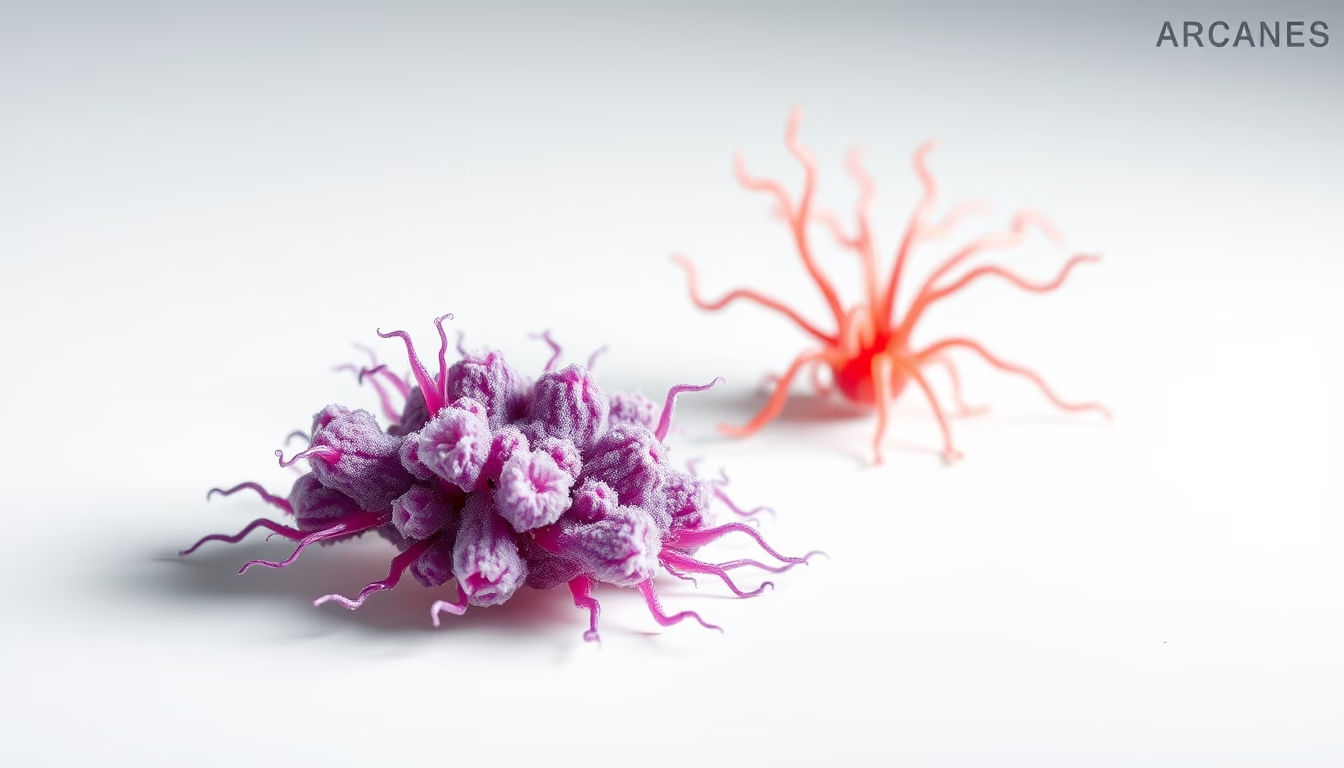
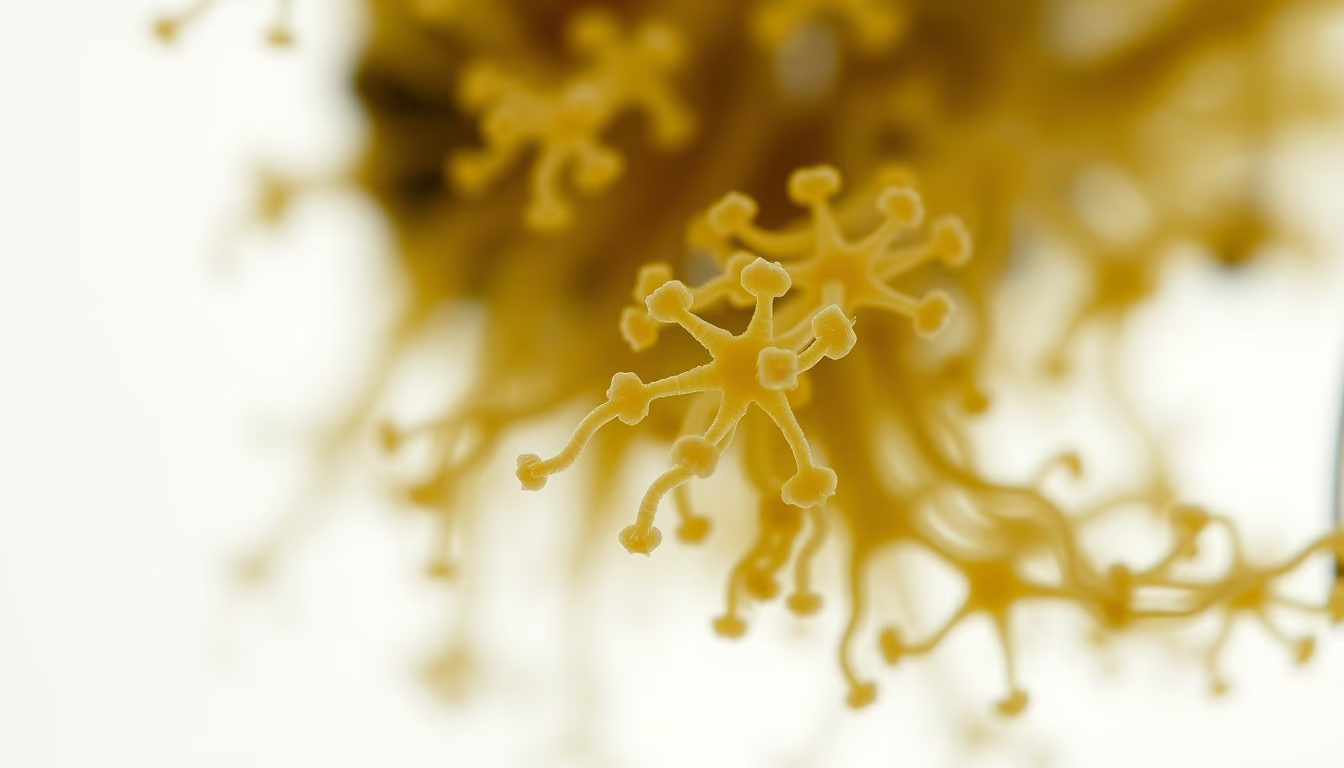
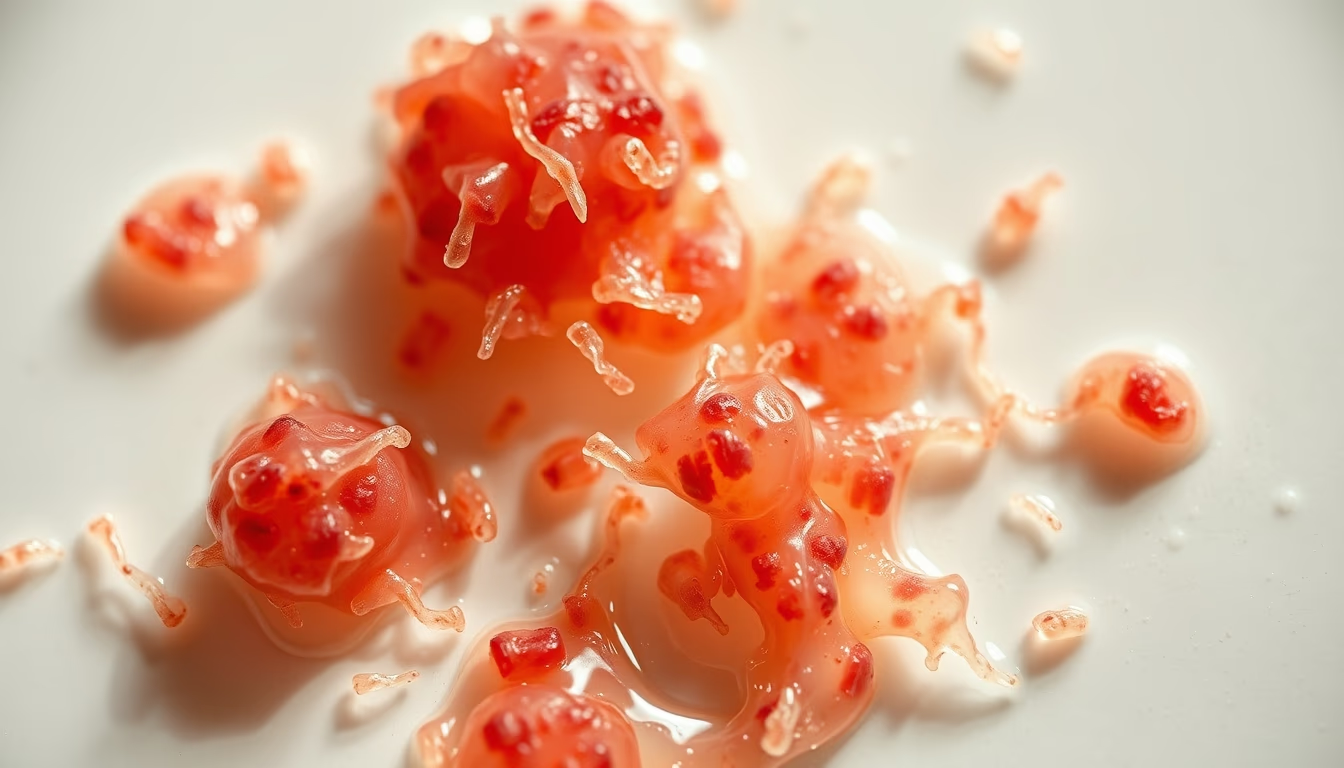
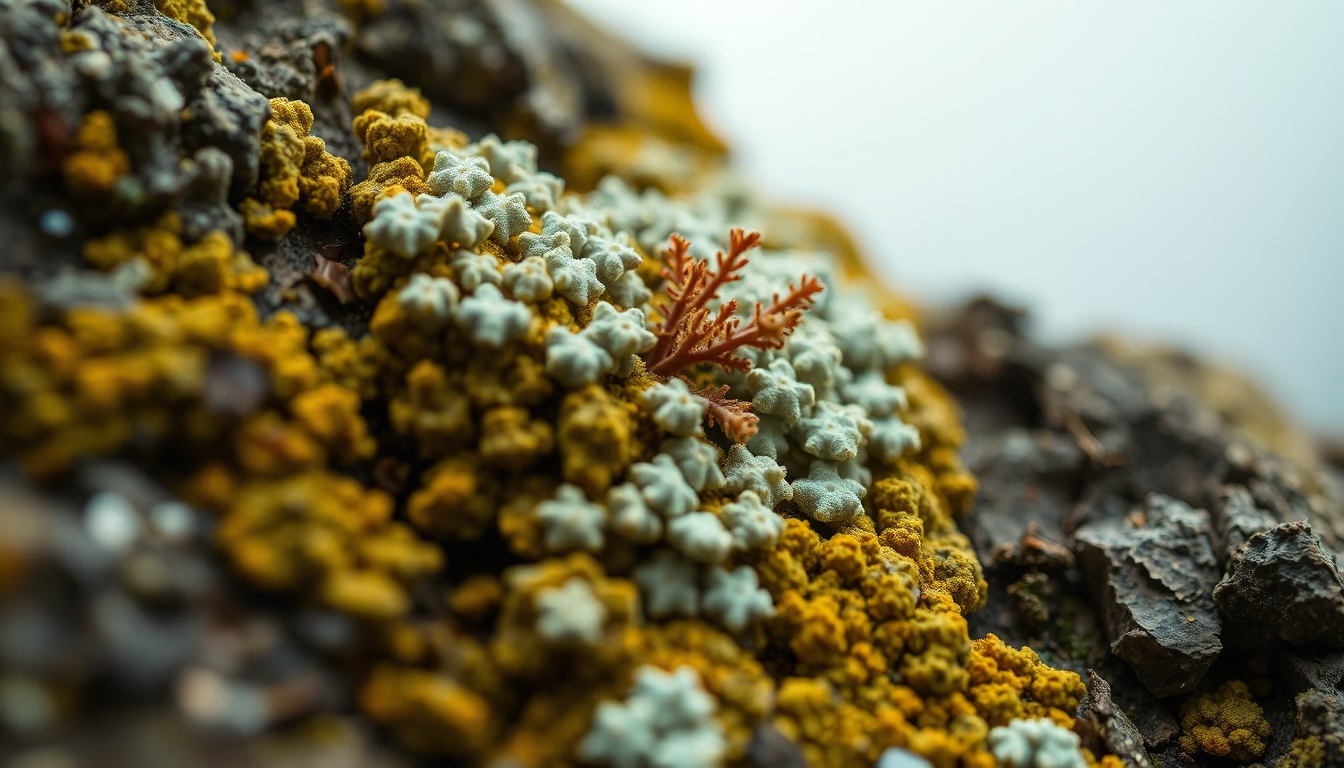
Extremophilic archaea are single-celled microorganisms thriving in extreme environments such as hot springs, salt flats, and deep-sea vents.
About this subject
Extremophilic archaea are a diverse group of microorganisms belonging to the domain Archaea, distinct from bacteria and eukaryotes. They are known for inhabiting environments that would be lethal to most life forms, such as hot springs with temperatures above 100 °C, hypersaline lakes like the Dead Sea, acidic mine drainage sites, and deep-sea hydrothermal vents. This ability stems from unique molecular adaptations, including cell membranes composed of ether-linked lipids with isoprenoid chains, providing thermal stability and resistance to extreme pH.
These organisms play a crucial role in understanding the evolution of life on Earth and the search for extraterrestrial life. For instance, the discovery of thermophilic archaea in hot springs of Yellowstone National Park revolutionized biology by suggesting that life can arise and persist under conditions previously thought inhospitable. Moreover, enzymes derived from extremophilic archaea, such as DNA polymerases from related thermophiles (e.g., Pyrococcus furiosus), are widely used in PCR techniques in genetics labs.
Extremophilic archaea also have economic significance. Some species are used in bioremediation of polluted environments, such as degrading toxic compounds in industrial waste. In the food industry, lipases and proteases from archaea are employed in processes requiring high temperature or salinity. However, much remains undiscovered, as it is estimated that less than 1% of archaeal species have been cultured in the laboratory due to the difficulty of replicating their extreme growth conditions.
Frequently Asked Questions
What makes extremophilic archaea different from bacteria?
Archaea have distinct membrane lipids (ether-linked isoprenoids) and unique metabolic pathways, and they often thrive in extreme environments where few bacteria can survive.
Where are extremophilic archaea found?
They are found in hot springs, geysers, salt lakes, deep-sea hydrothermal vents, acidic soils, and even in animal guts.
Why are extremophilic archaea important for biotechnology?
Their stable enzymes (e.g., polymerases, lipases, proteases) are used in PCR, industrial processing, and bioremediation, enabling reactions at high temperatures or salinities.
Direct URL
https://pub-c7d6a6ea828543ac903a74a341ccb2e1.r2.dev/imagens/archaea-extremophile-commercial-product-photography-fresh17.avifHow to credit
Include a visible link back to UtilizAí. Copy one of the snippets below:
<a href="https://xn--utiliza-eza.com/en/midia/imagens/archaea-extremophile-commercial-product-photography-fresh17">Archaea extremophile</a> by <a href="https://xn--utiliza-eza.com">UtilizAí</a>, licensed under <a href="https://creativecommons.org/licenses/by/4.0/">CC BY 4.0</a>.
[Archaea extremophile](https://xn--utiliza-eza.com/en/midia/imagens/archaea-extremophile-commercial-product-photography-fresh17) by [UtilizAí](https://xn--utiliza-eza.com), CC BY 4.0
License: CC-BY-4.0