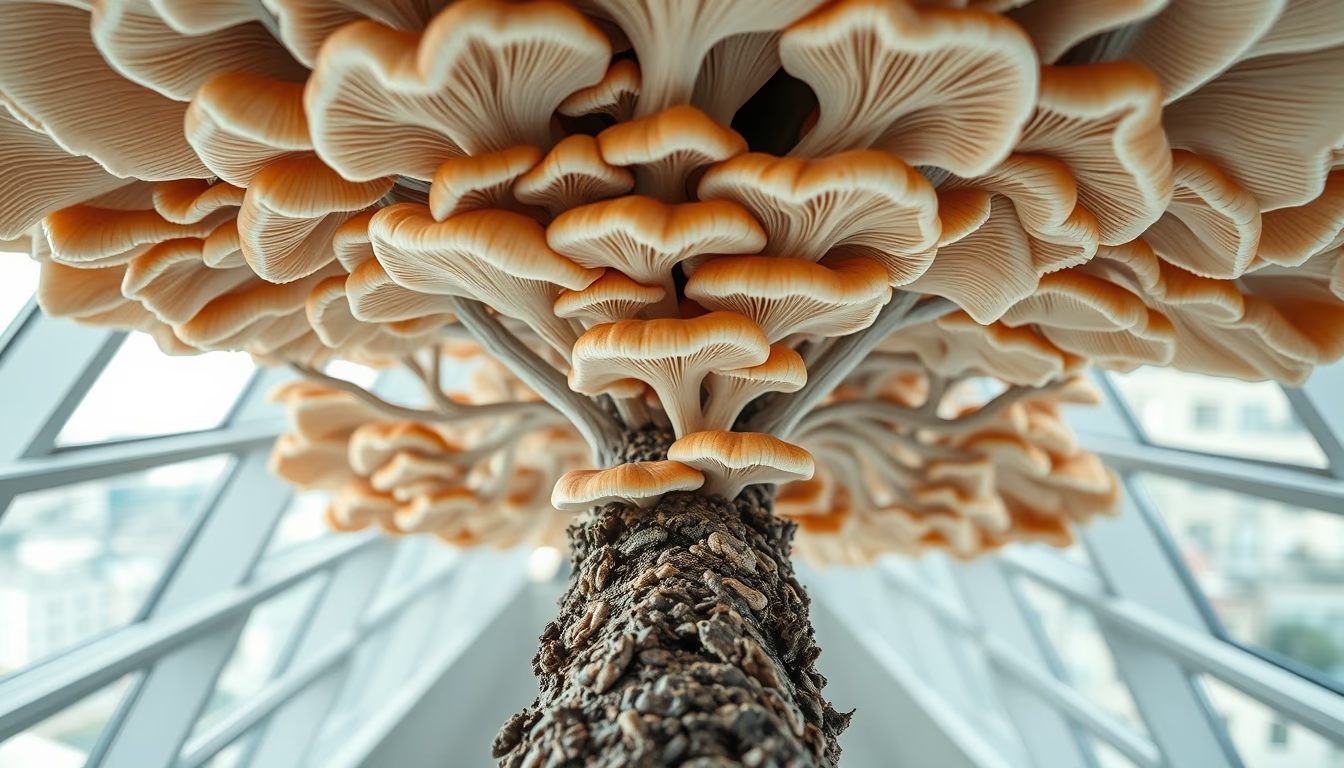
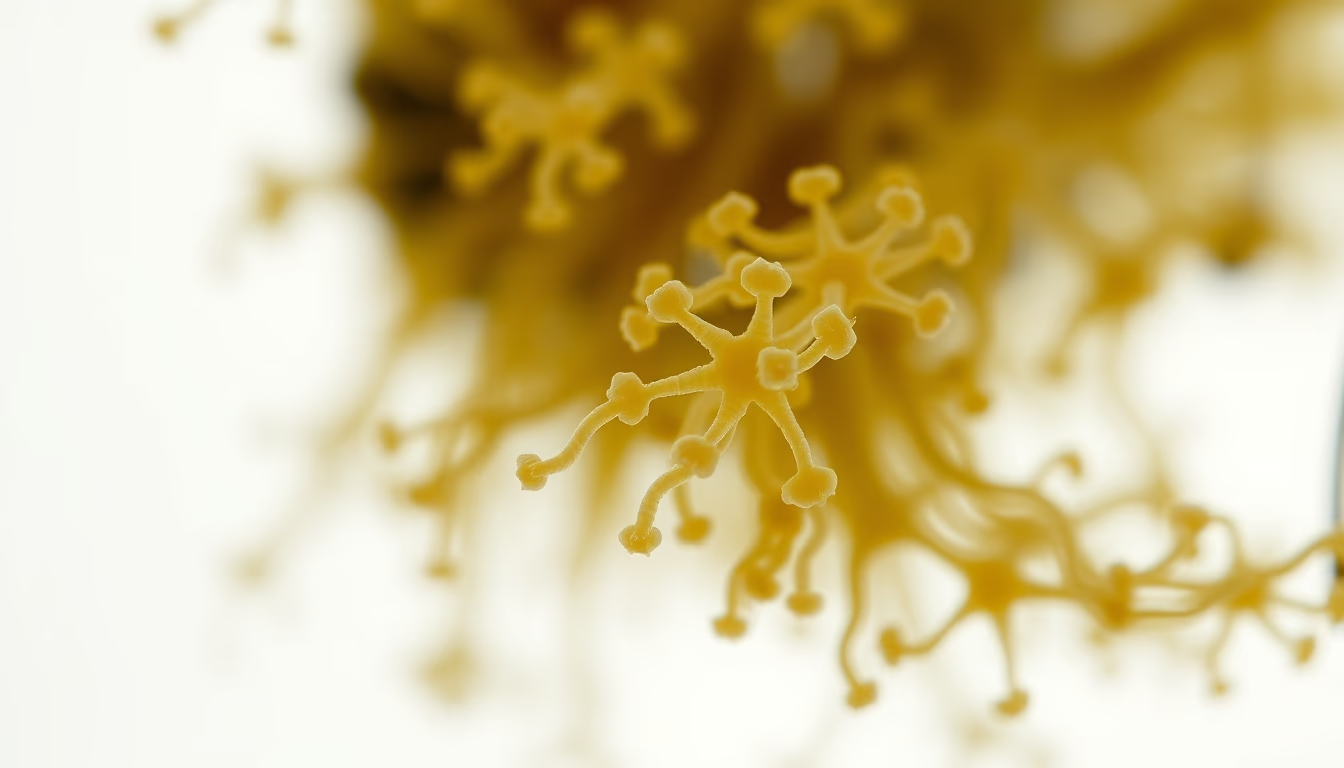
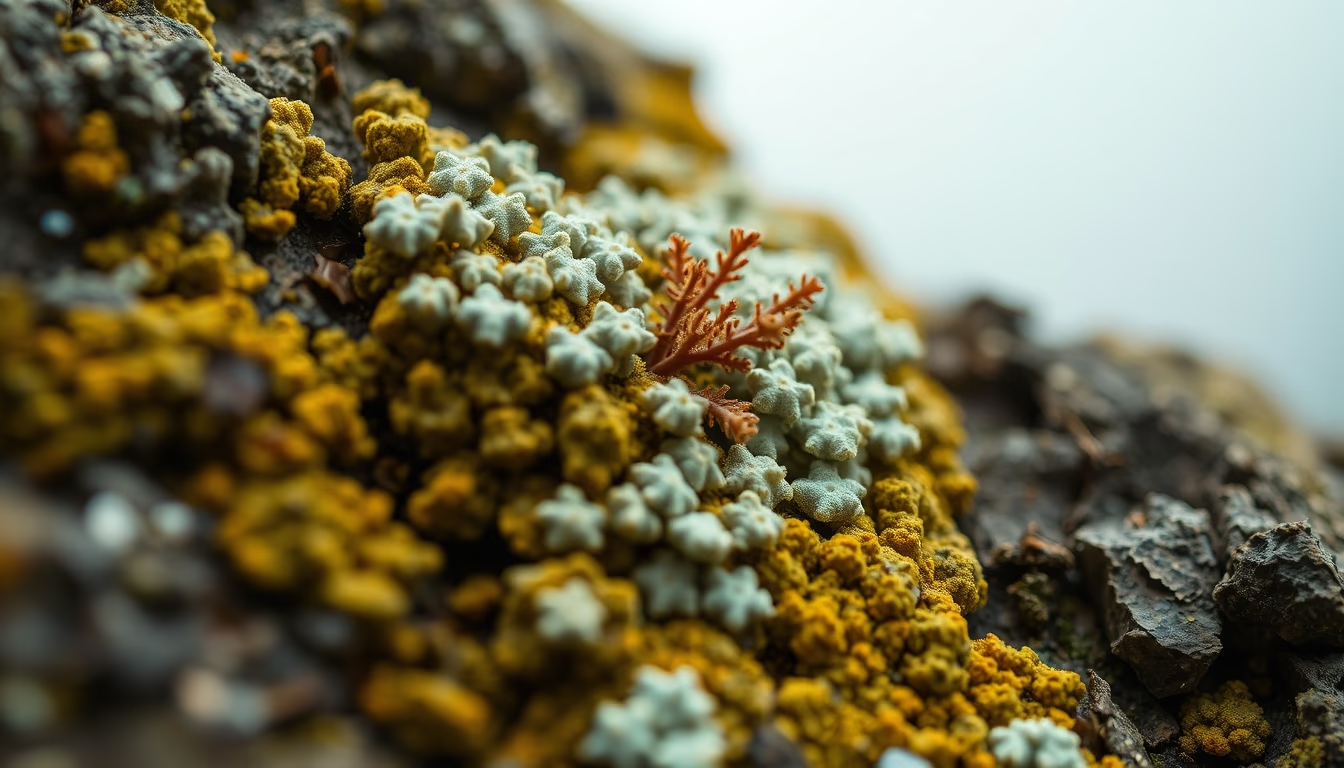
Archaea extremophile
1344×768 · AVIF · CC BY 4.0
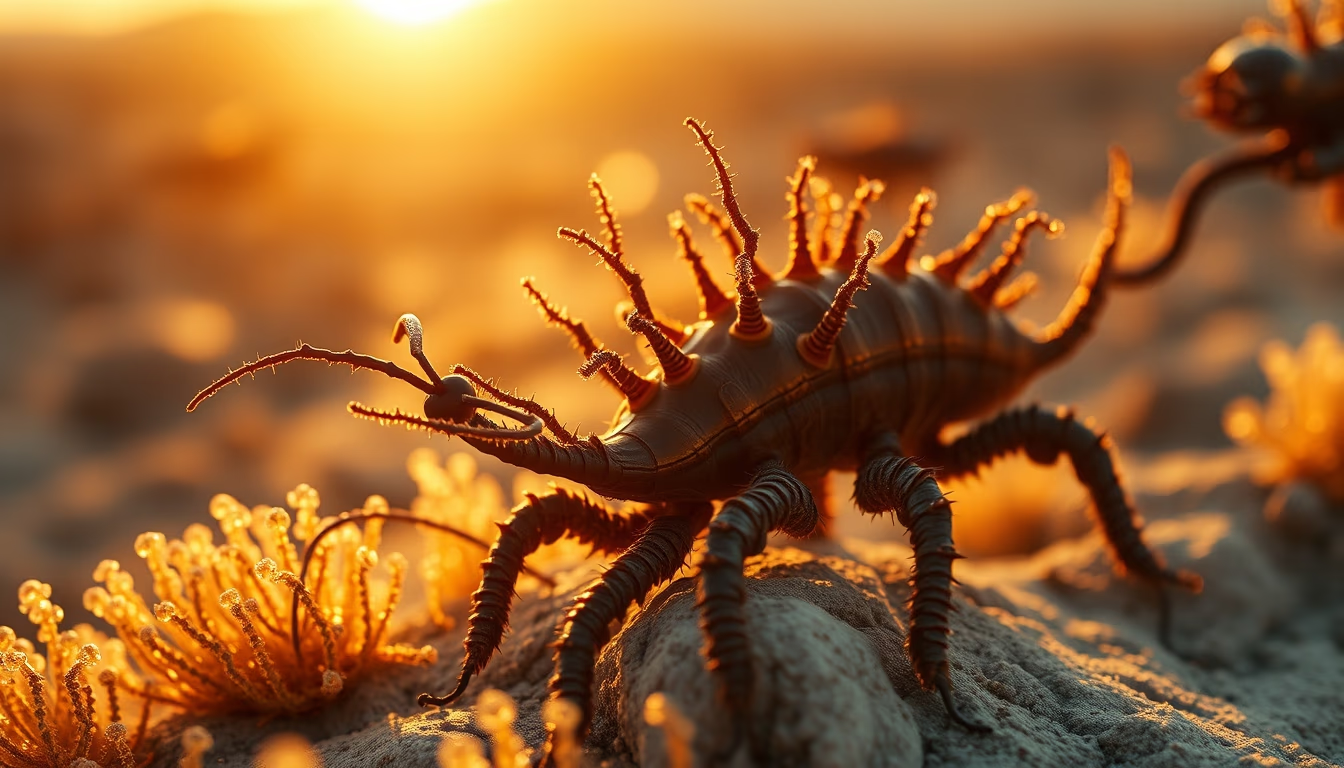
Extremophilic archaea are single-celled microorganisms that thrive in harsh environments such as hot springs and hypersaline lakes, revealing the limits of life on Earth.
About this subject
Extremophilic archaea constitute one of the three domains of life, alongside Bacteria and Eukaryotes. Unlike bacteria, they have unique lipid membranes and metabolisms adapted to extreme conditions. These organisms are found in places such as the hot springs of Yellowstone National Park in the United States, where temperatures exceed 70°C, and the hypersaline lakes of the Dead Sea, with salt concentrations ten times higher than the ocean. Some species, like Pyrolobus fumarii, can reproduce at 113°C, while others, such as Halobacterium salinarum, depend on high salt concentrations to survive.
The study of extremophilic archaea has profound implications for understanding the origin and evolution of life. It is believed that the first organisms on early Earth, with its hot and acidic environment, may have been similar to present-day archaea. Moreover, these creatures are sources of stable enzymes, such as Taq polymerases used in the polymerase chain reaction (PCR), revolutionizing molecular biology. Bioremediation also benefits from archaea that degrade hydrocarbons in polluted environments.
Interestingly, some extremophilic archaea survive intense ultraviolet radiation and desiccation, while others are resistant to high pressures, such as those found in deep ocean trenches. The discovery of these organisms by Carl Woese in the 1970s redefined the phylogenetic tree, separating archaea from bacteria. Methanogenic species, which produce methane, are essential in the global carbon cycle and can be used to generate biogas as a renewable energy source.
Frequently Asked Questions
What distinguishes archaea from bacteria?
Archaea differ from bacteria in several ways: they have cell membranes with ether lipids instead of ester lipids, cell walls lacking peptidoglycan, and transcription and translation machinery more similar to eukaryotes. Additionally, many archaea are extremophiles.
Where are extremophilic archaea found?
They are found in extreme environments such as hot springs, geysers, hypersaline lakes (e.g., Dead Sea), oceanic hydrothermal vents, acidic regions (e.g., acid mine drainage), and even Antarctic ice.
How do extremophilic archaea survive extreme conditions?
They possess adaptations such as thermostable enzymes, heat-shock proteins that prevent denaturation, membranes with lipids that maintain fluidity at high temperatures, and highly efficient DNA repair mechanisms against radiation.
Direct URL
https://pub-c7d6a6ea828543ac903a74a341ccb2e1.r2.dev/imagens/archaea-extremophile-cinematic-wide-shot-fresh10.avifHow to credit
Include a visible link back to UtilizAí. Copy one of the snippets below:
<a href="https://xn--utiliza-eza.com/en/midia/imagens/archaea-extremophile-cinematic-wide-shot-fresh10">Archaea extremophile</a> by <a href="https://xn--utiliza-eza.com">UtilizAí</a>, licensed under <a href="https://creativecommons.org/licenses/by/4.0/">CC BY 4.0</a>.
[Archaea extremophile](https://xn--utiliza-eza.com/en/midia/imagens/archaea-extremophile-cinematic-wide-shot-fresh10) by [UtilizAí](https://xn--utiliza-eza.com), CC BY 4.0
License: CC-BY-4.0