Antarctic ozone hole
1344×768 · AVIF · CC BY 4.0

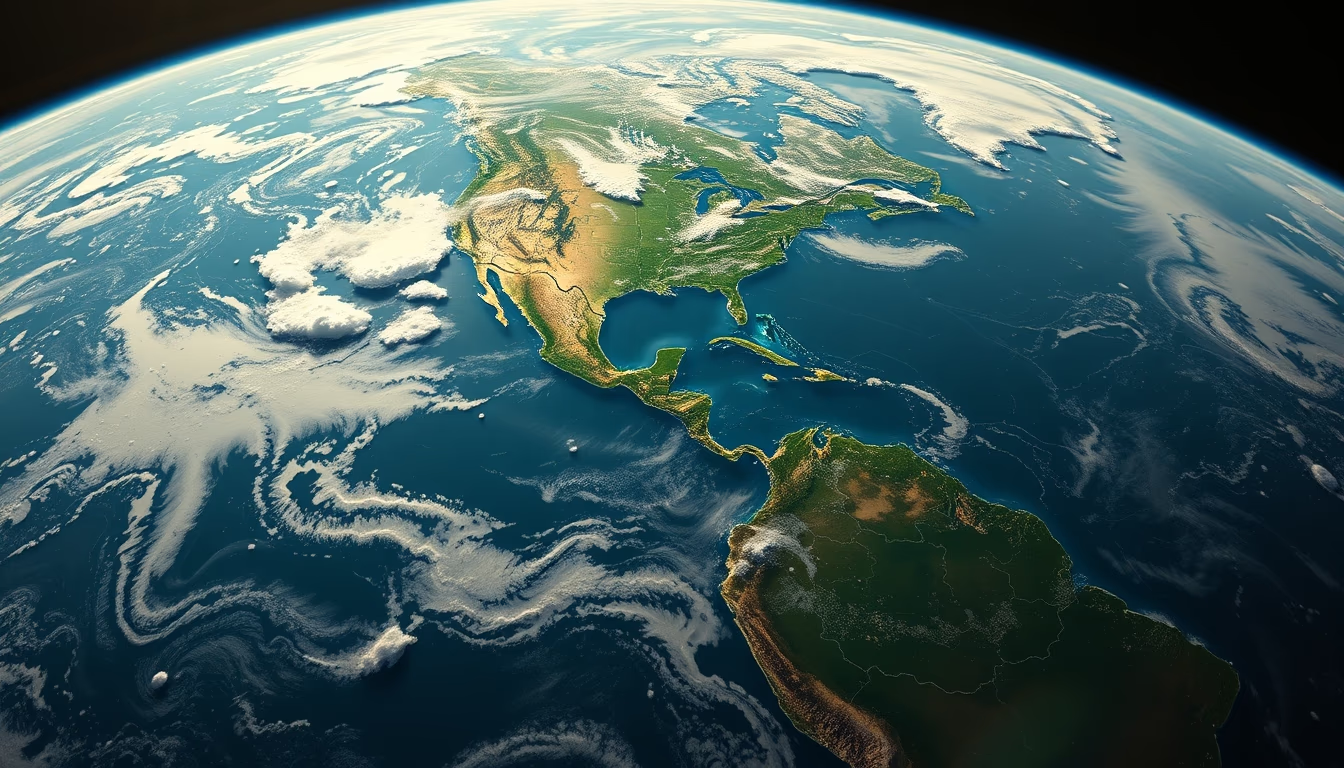
The Antarctic ozone hole, a seasonal phenomenon monitored by satellites since the 1970s, reached its largest size in 2000 and is slowly recovering.
About this subject
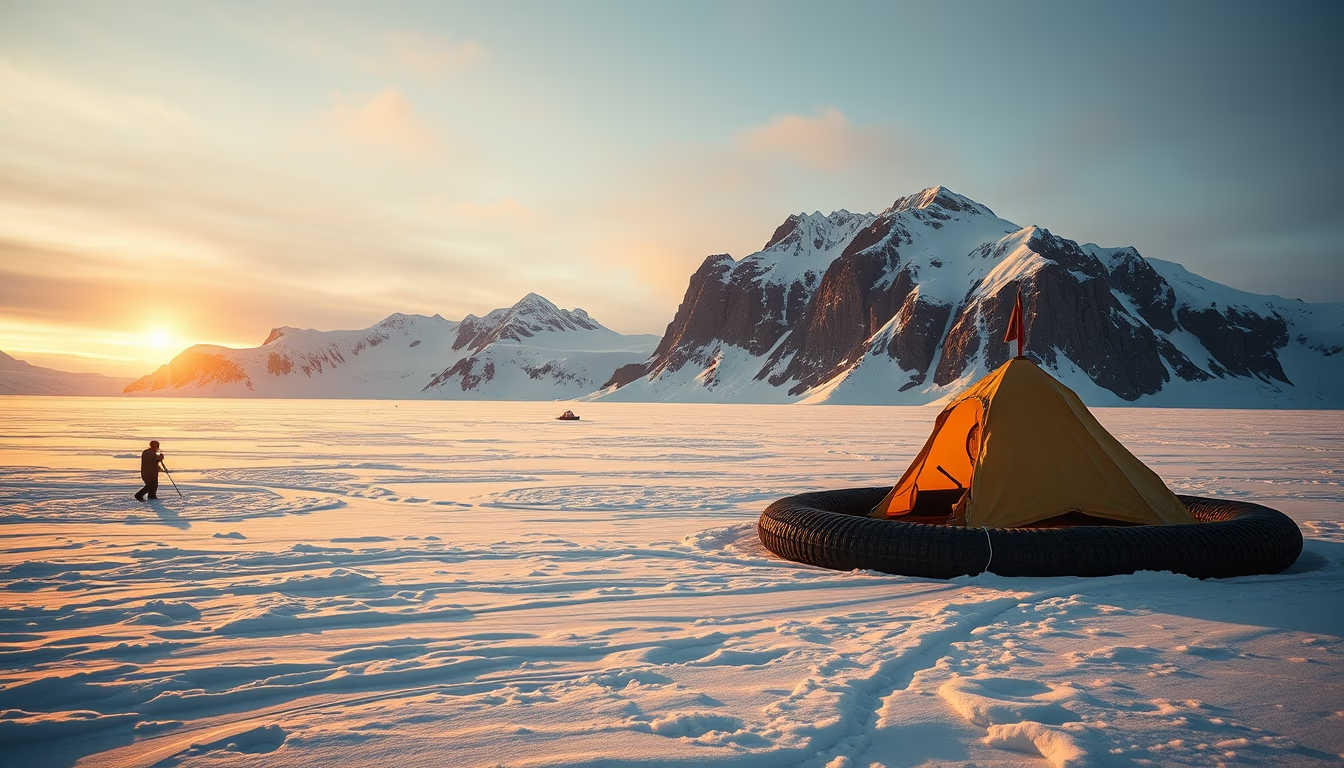
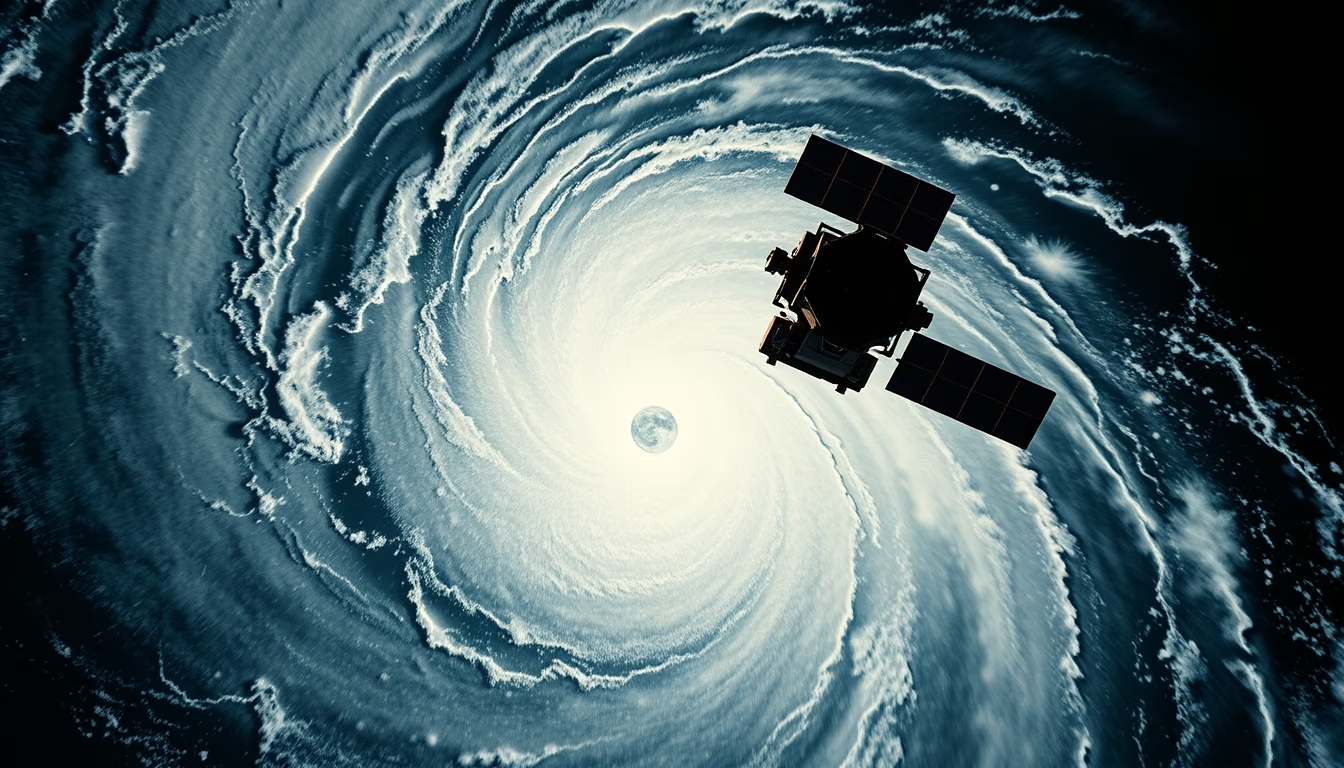
The Antarctic ozone hole is a significant depletion of stratospheric ozone that occurs annually during the Southern Hemisphere spring, from September to November. Discovered in 1985 by scientists from the British Antarctic Survey, the phenomenon is primarily caused by emissions of chlorofluorocarbons (CFCs), substances used in refrigerants, aerosols, and solvents. These compounds accumulate in the stratosphere and, under low-temperature conditions in the polar region, react with ozone, destroying its molecules. The size of the hole varies each year depending on meteorological conditions and the amount of remaining CFCs in the atmosphere. In 2000, it reached its largest recorded area, approximately 29.9 million square kilometers, nearly three times the size of Brazil. Since the implementation of the Montreal Protocol in 1987, which banned CFC production, the concentration of these gases in the atmosphere has been decreasing, and the ozone hole shows signs of slow and gradual recovery. Climate models indicate that the ozone layer could fully recover by mid-century, provided international commitments are maintained. Continuous monitoring is carried out by satellites such as NASA's Aura and EUMETSAT's MetOp, as well as balloon and ground measurements at Halley Station in Antarctica. The recovery of the ozone hole is considered one of the greatest successes of global environmental cooperation, preventing millions of cases of skin cancer and cataracts that would be caused by increased ultraviolet radiation.
Frequently Asked Questions
What causes the Antarctic ozone hole?
The ozone hole is mainly caused by chlorofluorocarbons (CFCs), human-made substances that accumulate in the stratosphere and destroy ozone molecules, especially under cold conditions in the polar region.
Is the Antarctic ozone hole shrinking?
Yes, since the Montreal Protocol, CFC concentrations have been declining, and the ozone hole has been gradually shrinking, though with annual variations due to weather. Full recovery is expected by mid-century.
How is the ozone hole monitored?
Monitoring is done by satellites such as NASA's Aura and MetOp, along with balloon and ground measurements at Antarctic stations like Halley, providing continuous data on its size and evolution.
Direct URL
https://pub-c7d6a6ea828543ac903a74a341ccb2e1.r2.dev/imagens/antarctic-ozone-hole-fish-eye-wide-angle-fresh13.avifHow to credit
Include a visible link back to UtilizAí. Copy one of the snippets below:
<a href="https://xn--utiliza-eza.com/en/midia/imagens/antarctic-ozone-hole-fish-eye-wide-angle-fresh13">Antarctic ozone hole</a> by <a href="https://xn--utiliza-eza.com">UtilizAí</a>, licensed under <a href="https://creativecommons.org/licenses/by/4.0/">CC BY 4.0</a>.
[Antarctic ozone hole](https://xn--utiliza-eza.com/en/midia/imagens/antarctic-ozone-hole-fish-eye-wide-angle-fresh13) by [UtilizAí](https://xn--utiliza-eza.com), CC BY 4.0
License: CC-BY-4.0