Antarctic ozone hole
1344×768 · AVIF · CC BY 4.0
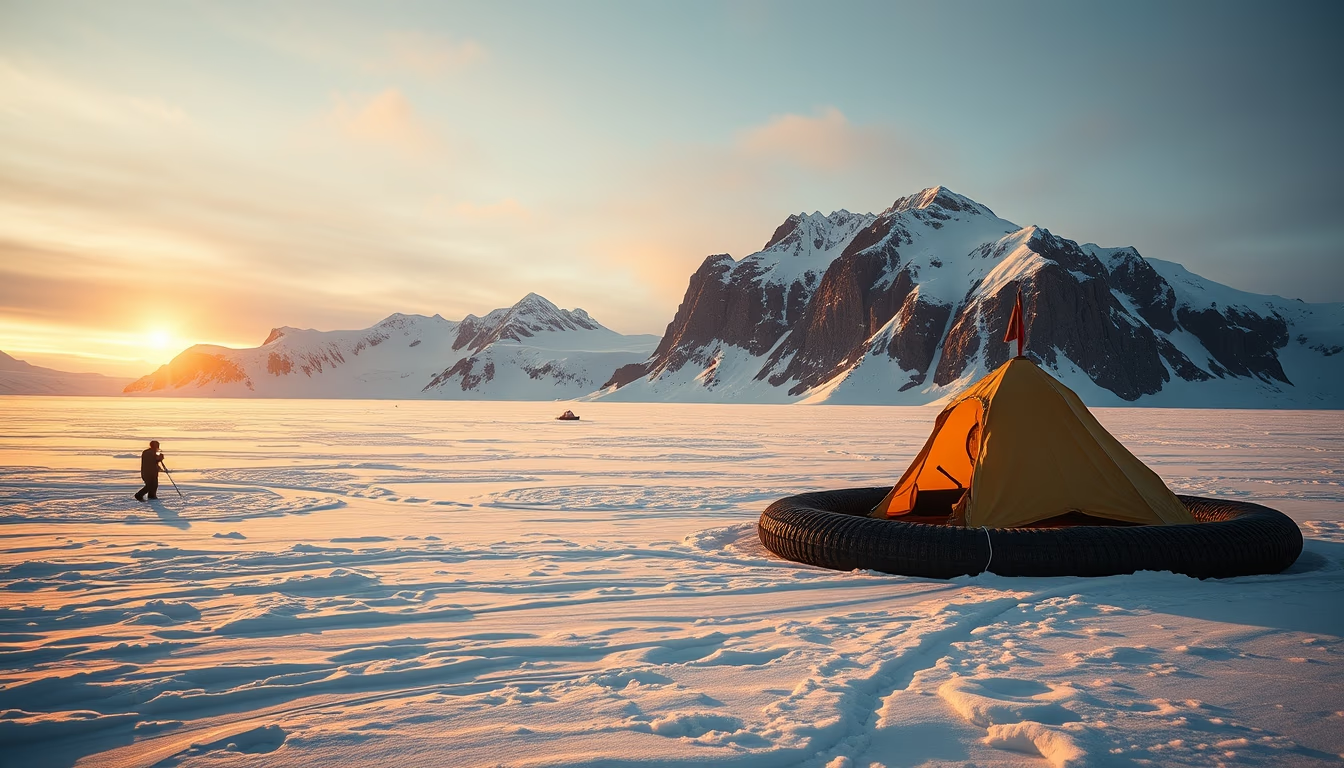
Learn what the Antarctic ozone hole is, its causes, consequences, and current recovery status.
About this subject
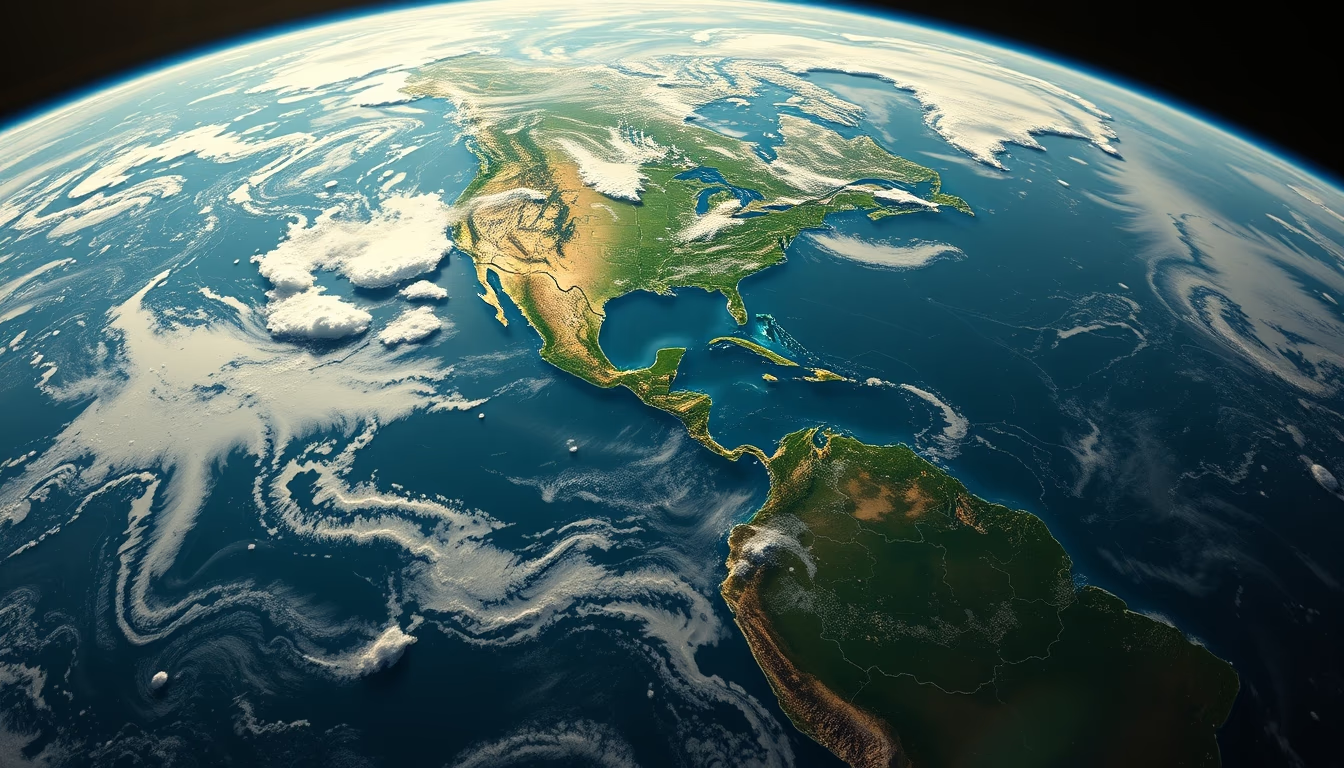
The Antarctic ozone hole is a seasonal phenomenon occurring mainly during the Southern Hemisphere spring (September to November). It is a significant thinning of the ozone layer in the stratosphere, first discovered by British scientists in 1985. The primary cause is the release of chlorofluorocarbons (CFCs) and other halogenated compounds, which react with ozone under extremely cold conditions and the presence of polar stratospheric clouds. These clouds form only during the Antarctic winter when temperatures drop below -78°C, creating an environment conducive to chemical reactions that destroy ozone.
The importance of stratospheric ozone lies in its ability to absorb most of the Sun's harmful ultraviolet-B (UV-B) radiation. Without the ozone layer, the incidence of skin cancer, cataracts, and damage to marine phytoplankton would increase dramatically. The Antarctic hole became a global symbol of atmospheric pollution and led to the 1987 Montreal Protocol, an international treaty that phased out the production of CFCs. This agreement is widely regarded as one of the most successful environmental accords in history.
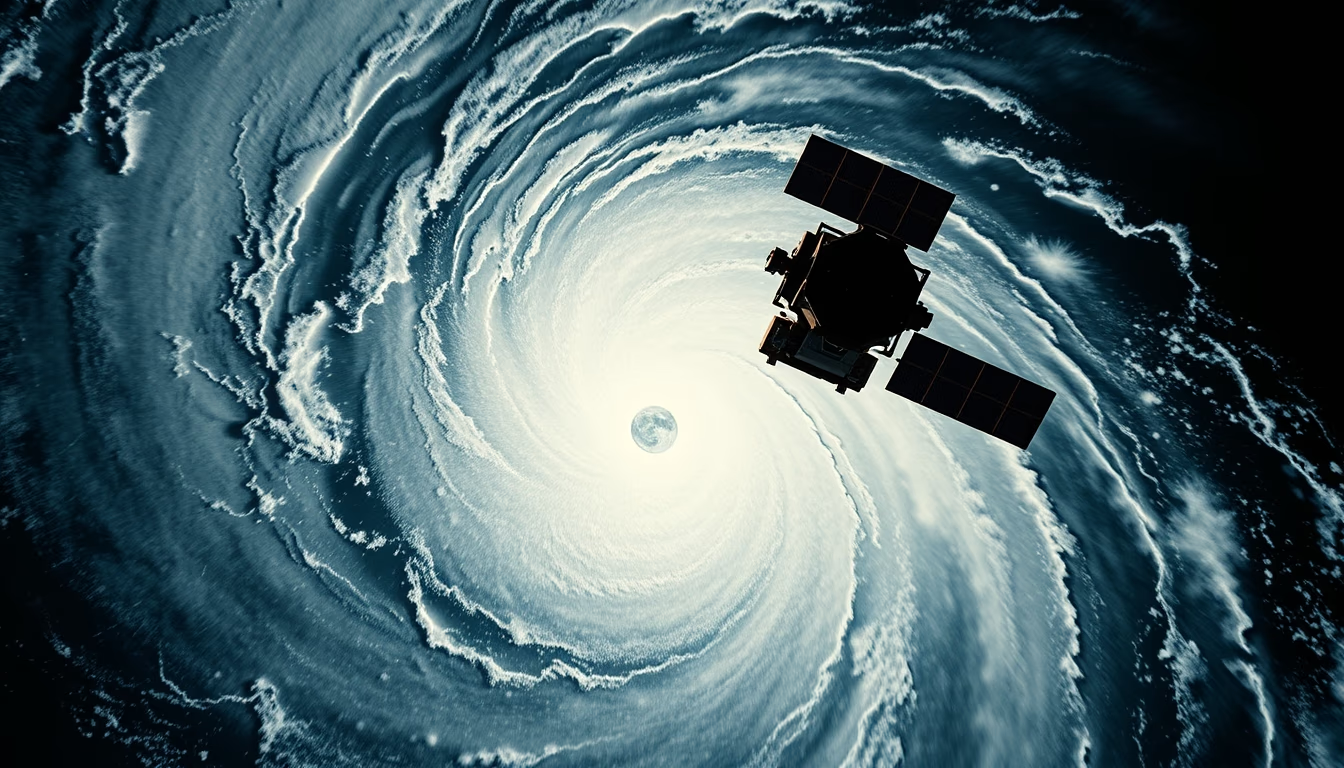
Since then, the ozone layer has shown signs of recovery. Starting around 2000, ozone concentrations over Antarctica began to slowly increase. Studies indicate that the hole could fully close by about 2060 to 2070 if emissions of ozone-depleting substances continue to decline as agreed. However, extreme events such as volcanic eruptions and climate change can influence ozone dynamics, making recovery nonlinear. Continuous monitoring by satellites and balloons is essential to track progress and ensure the gains are not reversed.
Frequently Asked Questions
What specifically causes the Antarctic ozone hole?
The main cause is chlorofluorocarbons (CFCs) and other halogenated compounds released by human activities. Under the cold conditions of the Antarctic winter, these compounds accumulate in polar stratospheric clouds and, when sunlight returns in spring, they react with ozone, rapidly destroying it.
How does the ozone hole affect human health and ecosystems?
The thinning of the ozone layer allows more ultraviolet-B (UV-B) radiation to reach the Earth's surface, increasing risks of skin cancer, cataracts, and immune system suppression. In ecosystems, it can damage marine phytoplankton (the base of the ocean food web) and harm plant growth on land.
Is the ozone hole recovering? When will it close?
Yes, thanks to the Montreal Protocol, ozone concentrations over Antarctica have been increasing since around 2000. Projections indicate the hole could fully close between 2060 and 2070, provided emissions of ozone-depleting substances continue to decline as agreed.
Direct URL
https://pub-c7d6a6ea828543ac903a74a341ccb2e1.r2.dev/imagens/antarctic-ozone-hole-cinematic-wide-shot-fresh17.avifHow to credit
Include a visible link back to UtilizAí. Copy one of the snippets below:
<a href="https://xn--utiliza-eza.com/en/midia/imagens/antarctic-ozone-hole-cinematic-wide-shot-fresh17">Antarctic ozone hole</a> by <a href="https://xn--utiliza-eza.com">UtilizAí</a>, licensed under <a href="https://creativecommons.org/licenses/by/4.0/">CC BY 4.0</a>.
[Antarctic ozone hole](https://xn--utiliza-eza.com/en/midia/imagens/antarctic-ozone-hole-cinematic-wide-shot-fresh17) by [UtilizAí](https://xn--utiliza-eza.com), CC BY 4.0
License: CC-BY-4.0