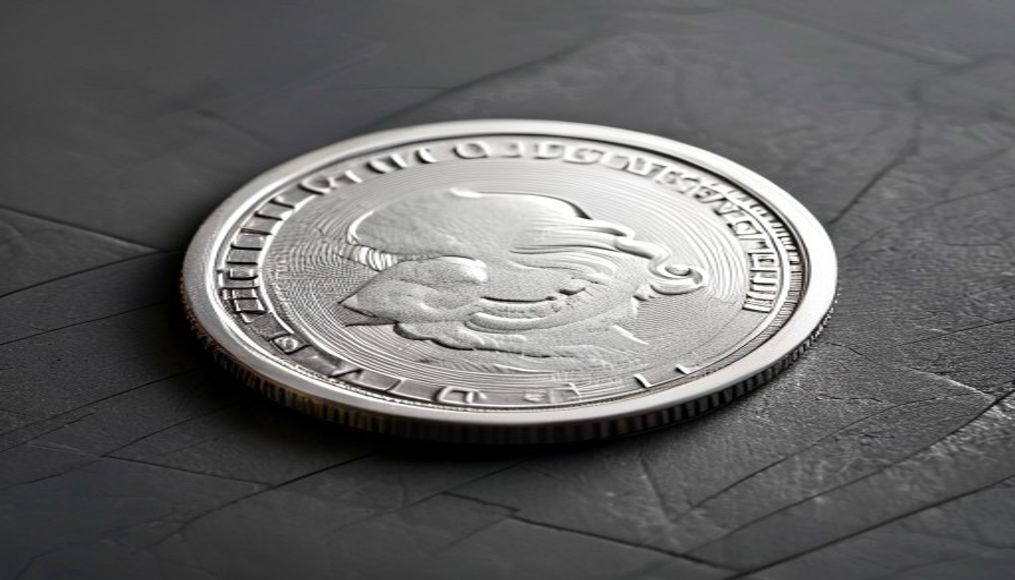
Ancient coin roman
1344×768 · AVIF · CC BY 4.0
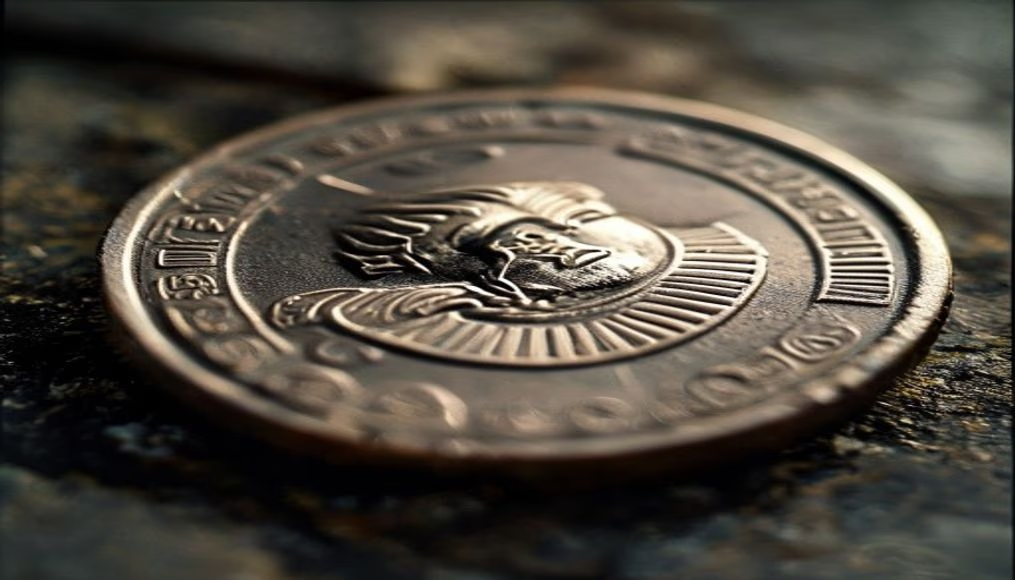
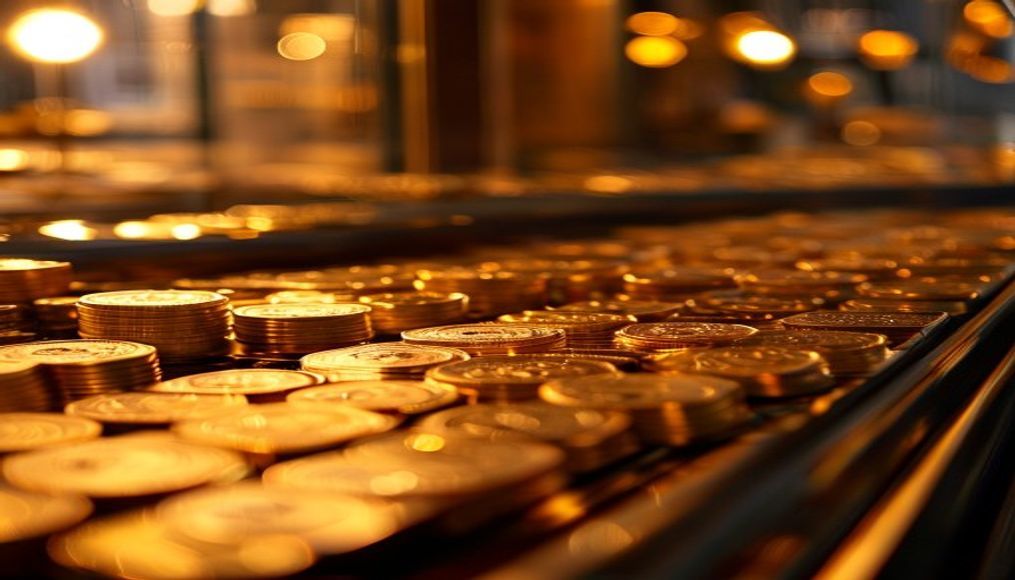
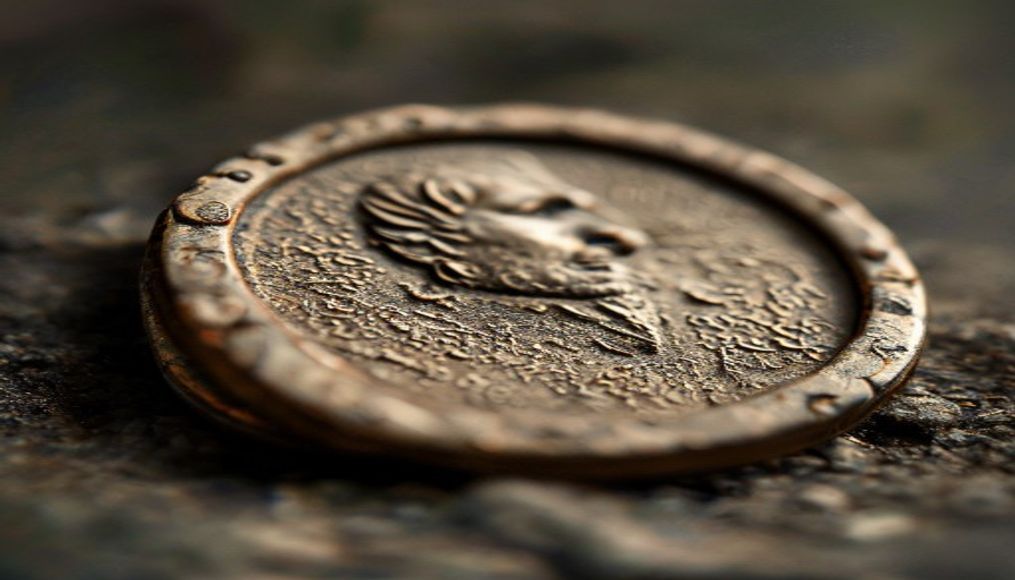
Ancient Roman coins, such as the denarius and aureus, circulated for centuries and are now historical treasures coveted by collectors.
About this subject
Ancient Roman coins began to be minted around the 4th century BC, initially in bronze, under the influence of Greek practices. During the Roman Republic and later the Empire, the metals varied among bronze, silver, and gold, depending on value. The silver denarius became the centerpiece of the monetary system, while the aureus was used for large transactions and military rewards. Each emperor often issued coins with his portrait and symbols of his conquests, turning them into tools of political propaganda.
The historical importance of Roman coins goes beyond economics. They record events such as military victories, alliances, and religious reforms. For example, Julius Caesar's denarius with his portrait was a milestone as it broke the republican tradition of not placing living figures on coins. The Roman monetary system influenced the economy of the entire Mediterranean and lasted until the decline of the Empire, with reforms such as Diocletian's in the 3rd century AD, which attempted to stabilize value after centuries of inflation.
Today, Roman coins are widely collected and studied by archaeologists and historians. Frequent discoveries in archaeological sites and buried hoards, such as the Hoxne Hoard in England, provide valuable information about circulation and society. The state of preservation is crucial for value: well-preserved coins with sharp relief can fetch thousands of euros at auctions. Additionally, historical forgery is a problem, requiring technical knowledge for authentication.
Interestingly, many Roman coins survived centuries due to accidental or intentional burial. They are found throughout the former Empire's territory, from the United Kingdom to Egypt. Each piece tells a part of history, whether through the emperor's effigy, the Latin legend, or the wear of daily use, becoming a tangible connection to the past.
Frequently Asked Questions
How to identify an ancient Roman coin?
Look for a profile portrait, usually of an emperor, with Latin inscriptions. Authentic coins show signs of aging like uneven patina, but it's best to consult a specialist or numismatic guides for verification.
What is the value of a Roman coin?
Value varies widely: from a few euros for common, worn specimens to thousands of euros for rare pieces in good condition. Factors include metal, emperor, year, and provenance.
Where are Roman coins found?
Throughout the former Roman Empire, especially in Europe, North Africa, and the Middle East. Many are discovered in plowed fields, construction sites, or buried hoards, such as famous finds in Britain.
Direct URL
https://pub-c7d6a6ea828543ac903a74a341ccb2e1.r2.dev/imagens/ancient-coin-roman-lo-fi-disposable-camera-p0.avifHow to credit
Include a visible link back to UtilizAí. Copy one of the snippets below:
<a href="https://xn--utiliza-eza.com/en/midia/imagens/ancient-coin-roman-lo-fi-disposable-camera-p0">Ancient coin roman</a> by <a href="https://xn--utiliza-eza.com">UtilizAí</a>, licensed under <a href="https://creativecommons.org/licenses/by/4.0/">CC BY 4.0</a>.
[Ancient coin roman](https://xn--utiliza-eza.com/en/midia/imagens/ancient-coin-roman-lo-fi-disposable-camera-p0) by [UtilizAí](https://xn--utiliza-eza.com), CC BY 4.0
License: CC-BY-4.0