Amber baltic trade
1344×768 · AVIF · CC BY 4.0
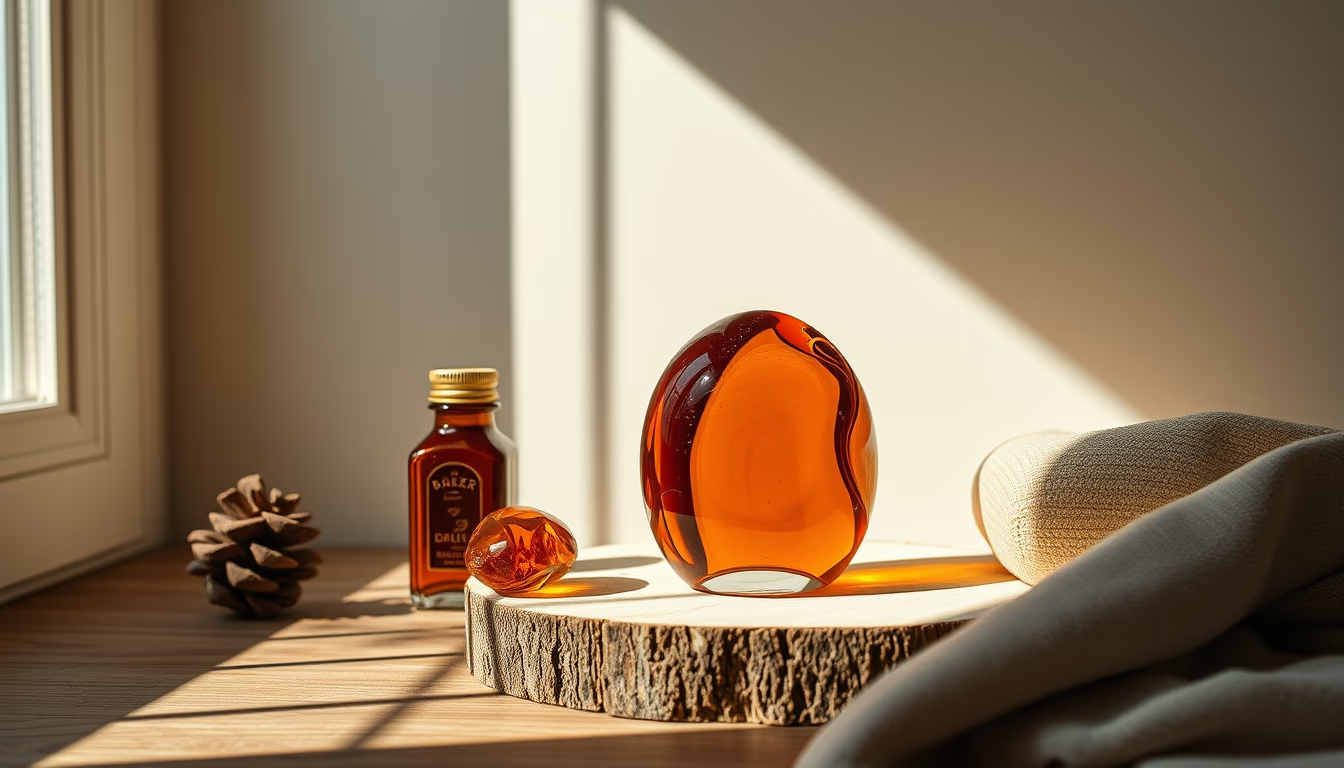
Baltic amber, fossilized resin from prehistoric pines, was one of the first luxury goods to travel ancient European trade routes.
About this subject
Baltic amber is fossilized resin over 40 million years old, originating from pine forests that once covered the region. Its extraction is concentrated along the coasts of Poland, Lithuania, Latvia, and Russia, especially in the Kaliningrad area, which holds about 90% of the world's reserves. Since the Stone Age, amber was collected on beaches and used as adornment, amulet, or trade item.
The Amber Road, one of Europe's oldest trade networks, connected the Baltic Sea to the Adriatic and Mediterranean. The Romans highly valued amber, often more than gold. Pliny the Elder documented northern expeditions for the resin, which was used for jewelry, incense, and even medicine. Amber was believed to have healing and protective properties.
Baltic amber is famous for its inclusions, insects, plants, and small vertebrates preserved inside the resin. These fossils offer a unique window into the Eocene ecosystem millions of years ago. The quality of Baltic amber is considered superior due to its high concentration of succinic acid, giving it greater durability and shine after polishing.
Today, Baltic amber trade remains active, supplying jewelry, art, and collectible markets. Despite competition from younger ambers elsewhere, Baltic amber retains prestige for its purity, color, and rare inclusions. Besides ornaments, the resin is used in perfumery as a fixative and in wellness products such as oils and incense.
Frequently Asked Questions
What is Baltic amber?
Baltic amber is fossilized resin from pine trees that existed over 40 million years ago, mainly found along the Baltic Sea coast. It is known for its yellow color, transparency, and frequent inclusions of insects and plants.
Where is Baltic amber found?
The main sources are in Poland, Lithuania, Latvia, and Russia (especially the Kaliningrad region). Most of the world's amber comes from there, extracted from glacial deposits or collected on beaches.
How was it traded in ancient times?
Baltic amber traveled the Amber Road, connecting northern Europe to the Mediterranean. Romans paid extremely high prices for it, using it in jewelry and luxury items. Pliny the Elder described routes that could take months.
Direct URL
https://pub-c7d6a6ea828543ac903a74a341ccb2e1.r2.dev/imagens/amber-baltic-trade-minimalist-composition-fresh9.avifHow to credit
Include a visible link back to UtilizAí. Copy one of the snippets below:
<a href="https://xn--utiliza-eza.com/en/midia/imagens/amber-baltic-trade-minimalist-composition-fresh9">Amber baltic trade</a> by <a href="https://xn--utiliza-eza.com">UtilizAí</a>, licensed under <a href="https://creativecommons.org/licenses/by/4.0/">CC BY 4.0</a>.
[Amber baltic trade](https://xn--utiliza-eza.com/en/midia/imagens/amber-baltic-trade-minimalist-composition-fresh9) by [UtilizAí](https://xn--utiliza-eza.com), CC BY 4.0
License: CC-BY-4.0