Alexandrite color change ring rare
1344×768 · AVIF · CC BY 4.0
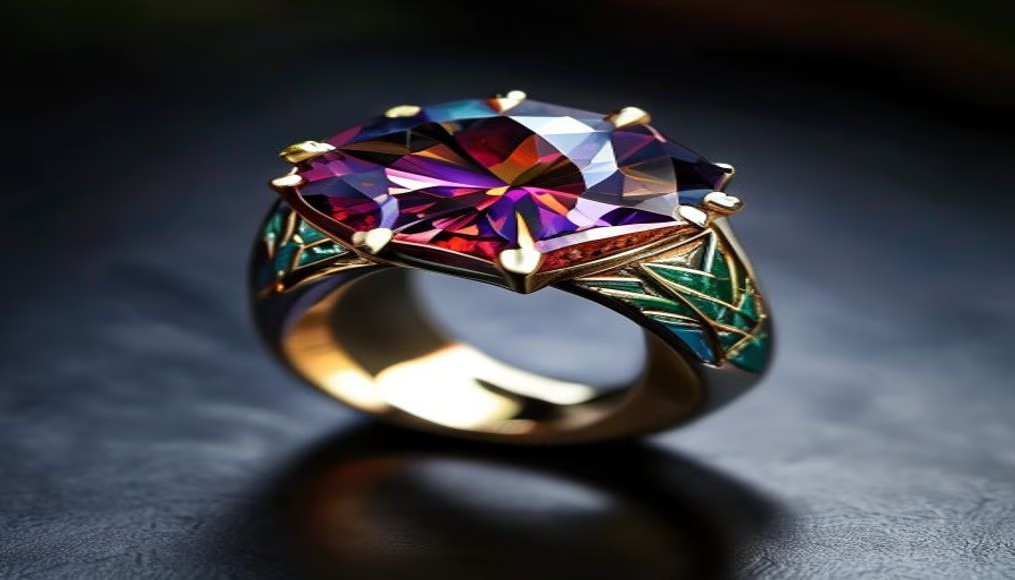
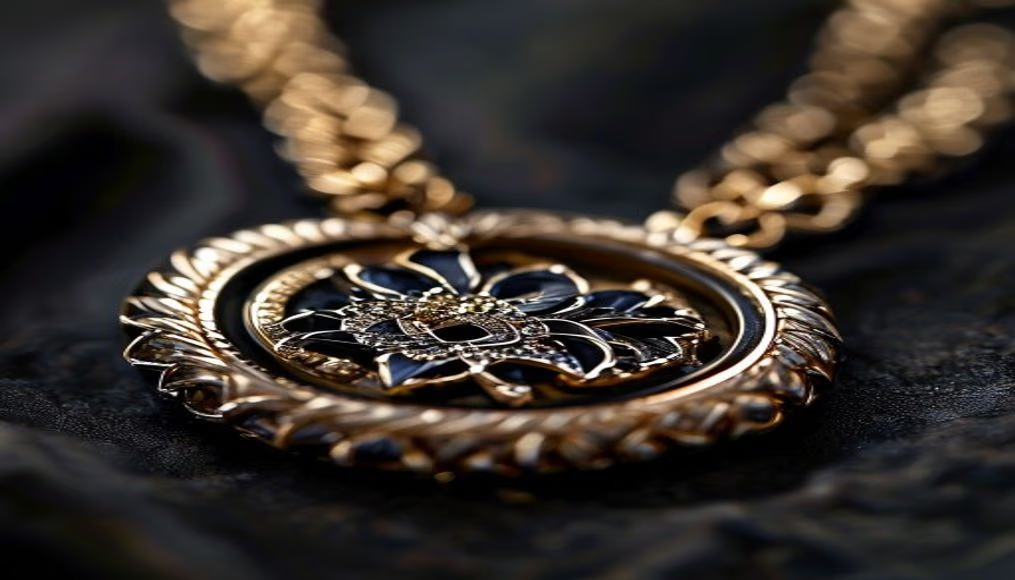
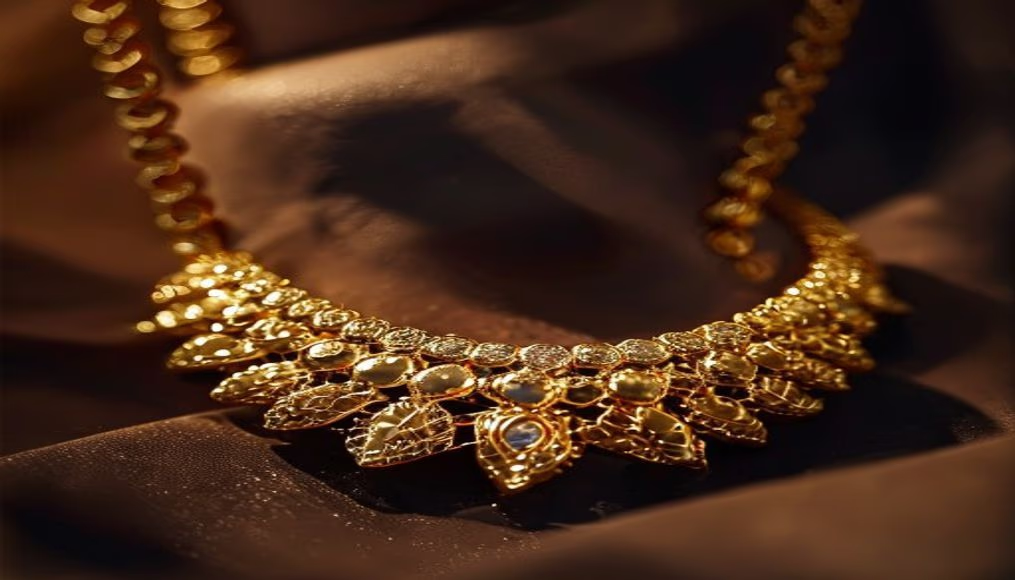
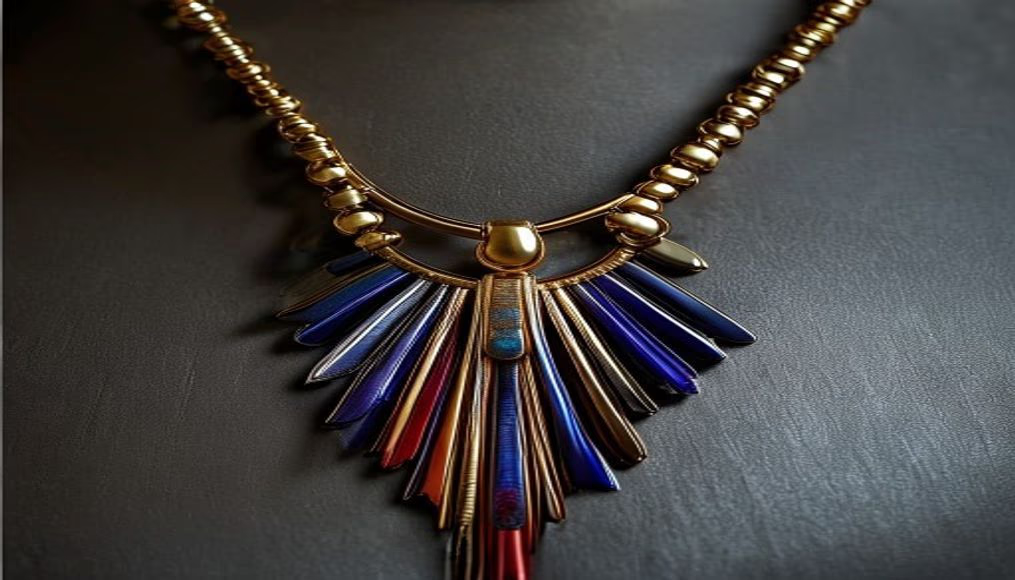
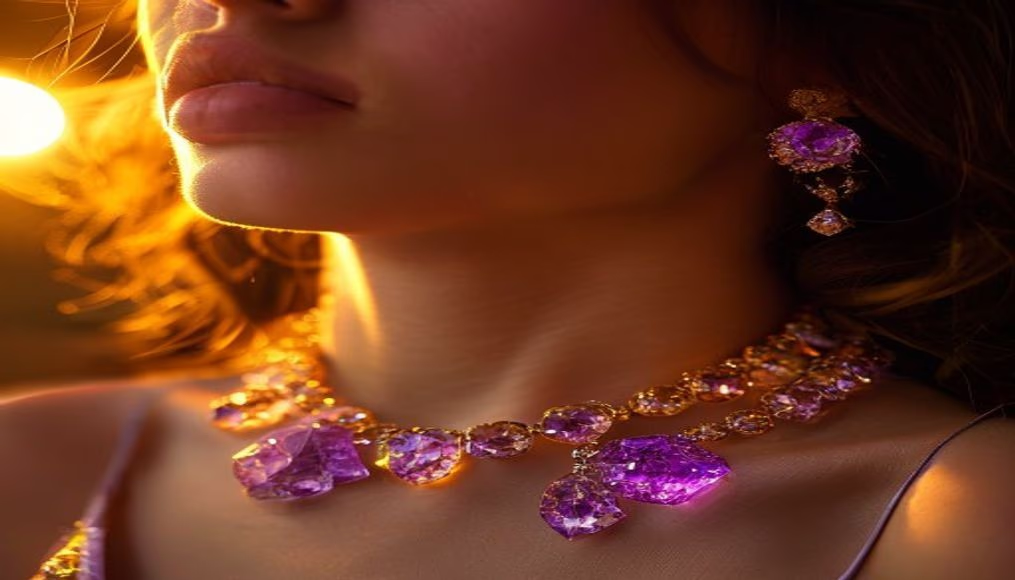
Alexandrite, one of the rarest and most valuable gemstones, fascinates with its color change between green and red, and is an icon of Art Deco luxury.
About this subject
Alexandrite is a variety of chrysoberyl, first discovered in 1830 in the Ural Mountains of Russia. Named after Czar Alexander II, it became the national gemstone of imperial Russia. Its most striking feature is the color change effect: under natural or fluorescent light, it appears emerald-green to bluish-green; under incandescent or candlelight, it shifts to purplish-red to raspberry red. This phenomenon, known as the "alexandrite effect," is caused by chromium impurities in its crystal structure, which absorb and refract light differently depending on the light source.
Due to its extreme rarity, natural alexandrite is among the most expensive gemstones, often exceeding the price of diamonds. The original Ural deposits are nearly depleted, and newer sources in India, Brazil, Tanzania, and Sri Lanka yield stones with less dramatic color change or lower quality. The gem is especially prized when the color transition is sharp and the hues are saturated, making it a coveted collector's stone.
During the Art Deco period (1920s, 1930s), alexandrite gained prominence for its combination of modernity, exoticism, and chromatic contrast. Art Deco jewelry emphasized geometric shapes, bold colors, and exotic stones, and alexandrite fit perfectly into this aesthetic. Art Deco rings featuring alexandrite are highly sought after by collectors and investors, representing a fusion of history, art, and mineral science.
Frequently Asked Questions
What causes the color change in alexandrite?
The color change is caused by chromium ions in the chrysoberyl crystal structure. These ions absorb light at different wavelengths, making the gem appear green under natural light and red under incandescent light.
Why is natural alexandrite so rare?
Natural alexandrite is rare because the original Ural Mountains deposits are nearly depleted, and alternative sources yield few gem-quality crystals with pronounced color change. The specific geological conditions required for its formation are extremely rare.
What is the connection between alexandrite and Art Deco style?
Alexandrite gained popularity during the Art Deco period due to its striking appearance and color change, which complemented the geometric and bold aesthetic of the era. Jewelry featuring alexandrite was a symbol of modernity and luxury, and many original pieces are now collector's items.
Direct URL
https://pub-c7d6a6ea828543ac903a74a341ccb2e1.r2.dev/imagens/alexandrite-color-change-ring-rare-art-deco-aesthetic-luxo1.avifHow to credit
Include a visible link back to UtilizAí. Copy one of the snippets below:
<a href="https://xn--utiliza-eza.com/en/midia/imagens/alexandrite-color-change-ring-rare-art-deco-aesthetic-luxo1">Alexandrite color change ring rare</a> by <a href="https://xn--utiliza-eza.com">UtilizAí</a>, licensed under <a href="https://creativecommons.org/licenses/by/4.0/">CC BY 4.0</a>.
[Alexandrite color change ring rare](https://xn--utiliza-eza.com/en/midia/imagens/alexandrite-color-change-ring-rare-art-deco-aesthetic-luxo1) by [UtilizAí](https://xn--utiliza-eza.com), CC BY 4.0
License: CC-BY-4.0