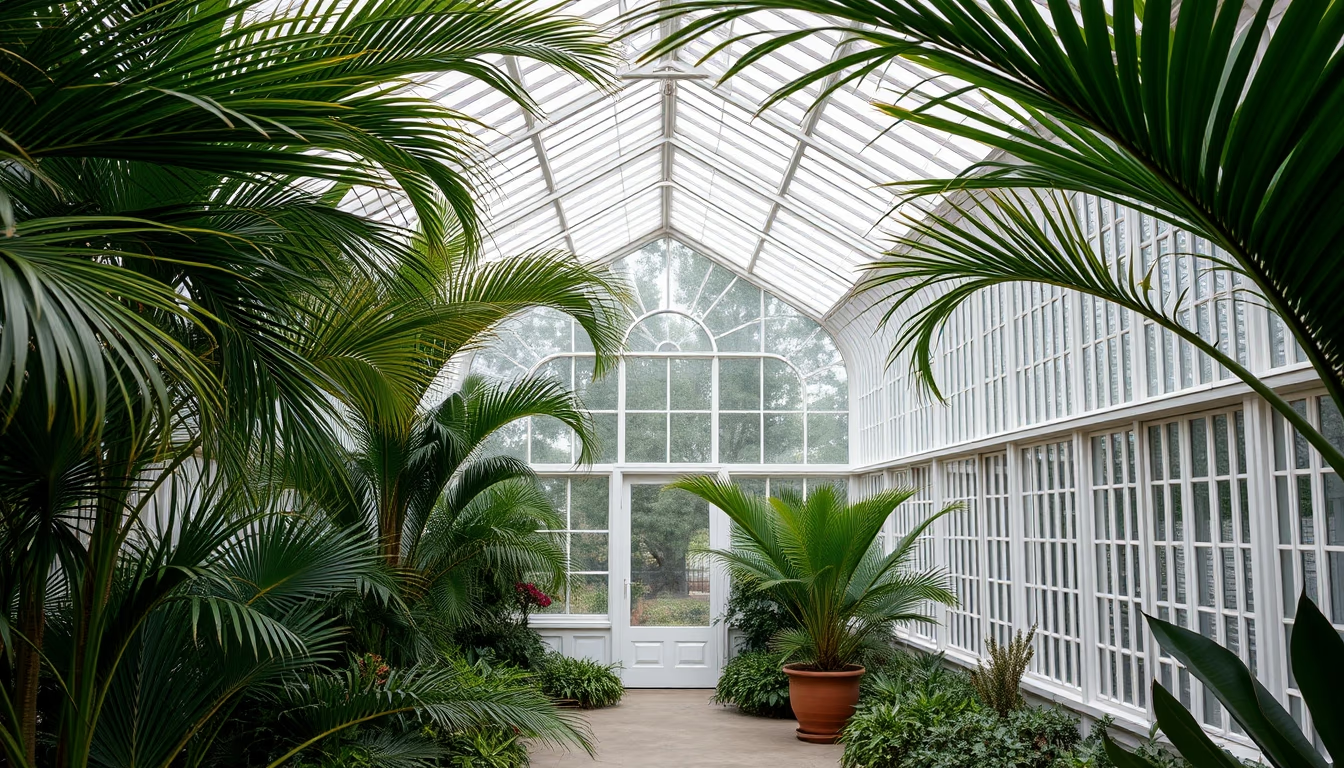
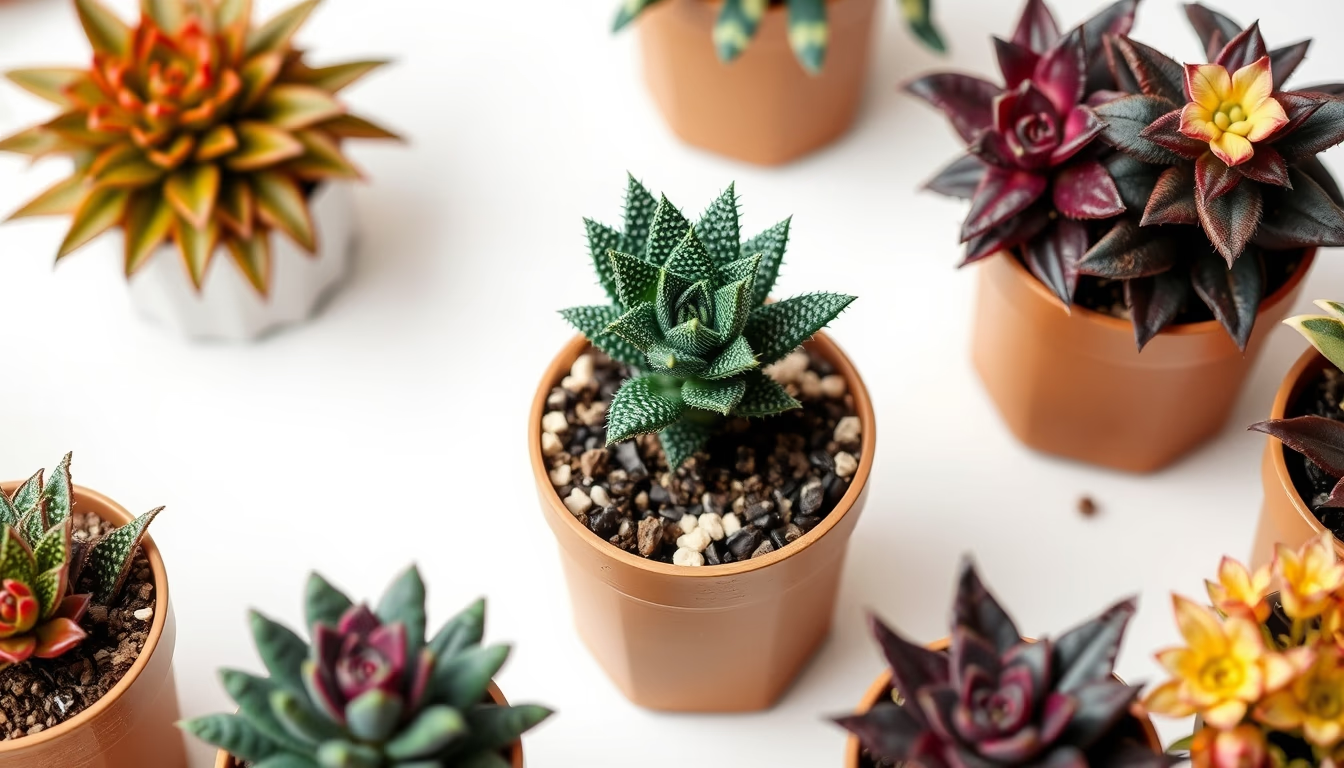
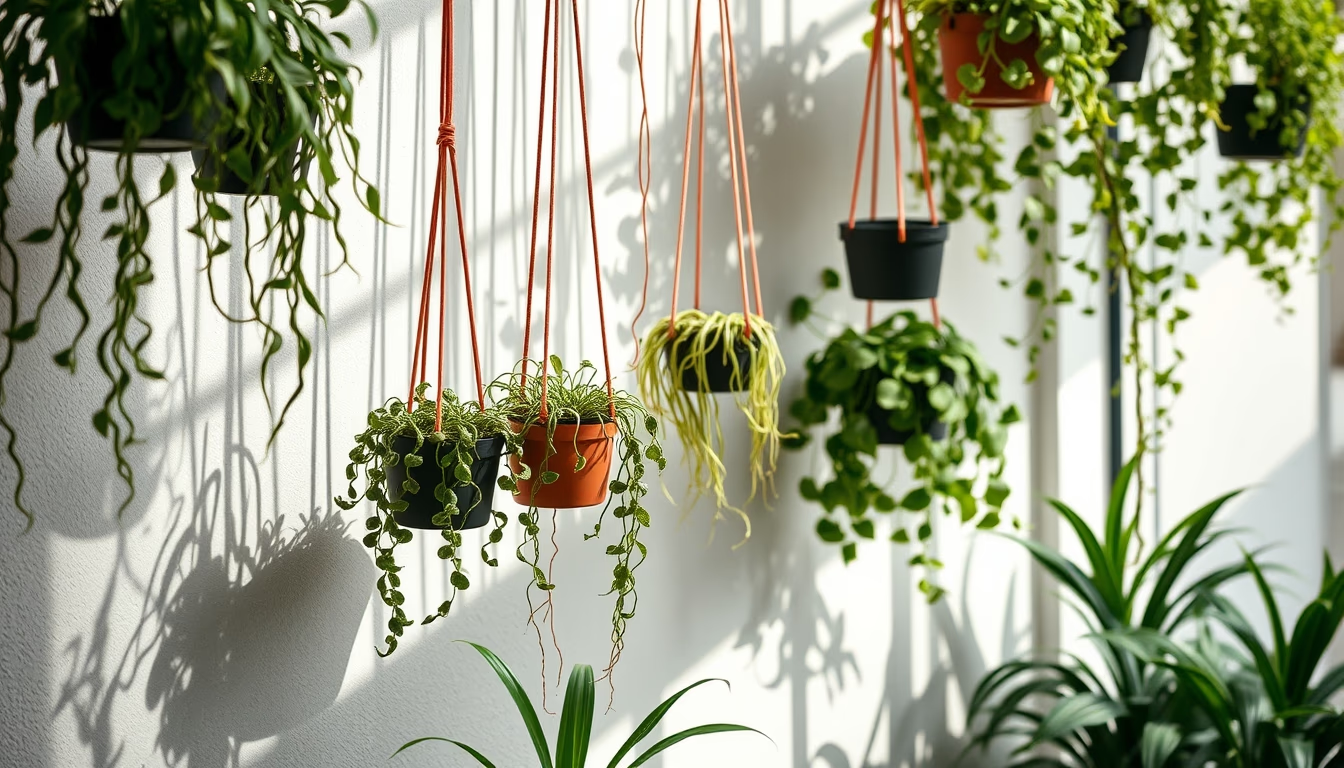
Air plants tillandsia
1344×768 · AVIF · CC BY 4.0
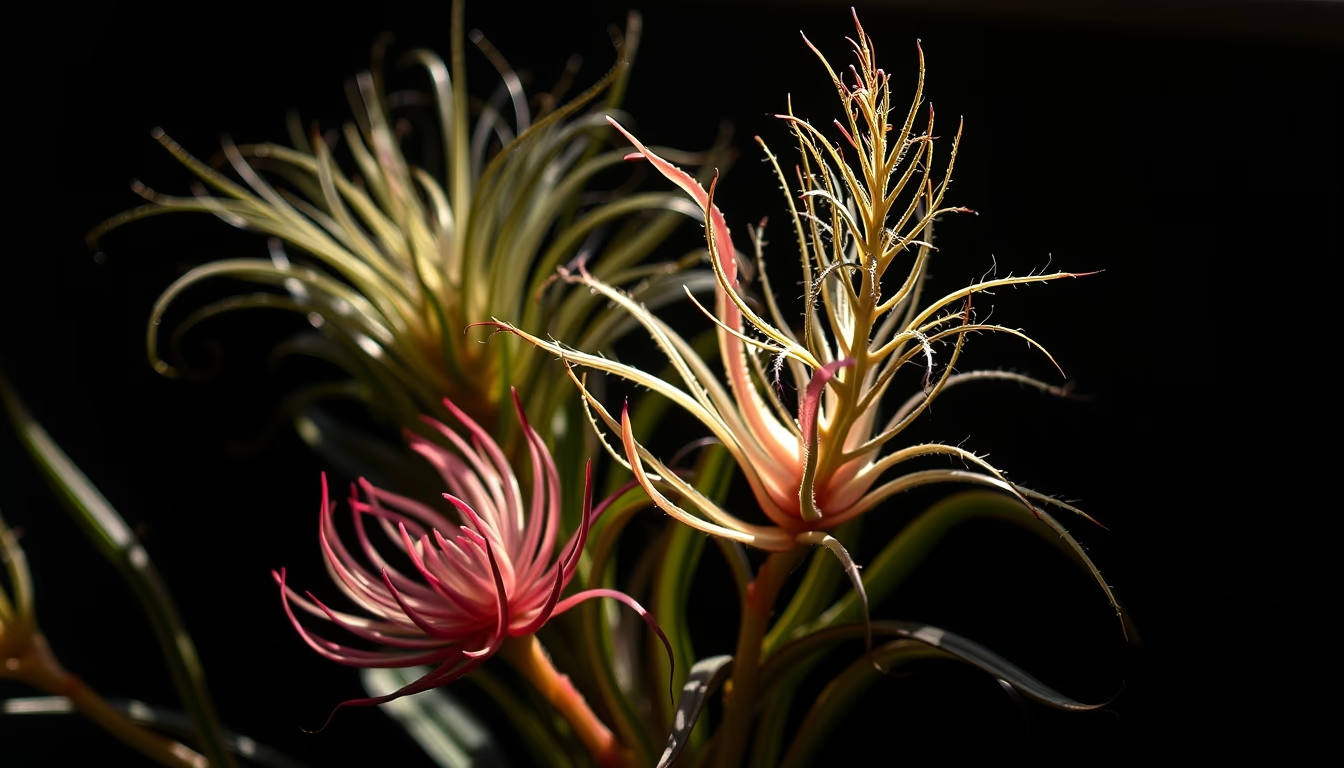
Tillandsias are epiphytic plants that absorb water and nutrients through their leaves, eliminating the need for soil. Learn about their species and care.
About this subject
Tillandsias, commonly known as air plants, belong to the genus Tillandsia within the Bromeliaceae family. Native to the Americas, they range from the southern United States to Argentina, with highest diversity in Mexico, Central America, and the Andean region. As epiphytes, they grow on other plants without being parasitic, using trunks and rocks as support. Their roots serve only for attachment: water and nutrient absorption occurs through specialized leaf structures called trichomes.
Over 650 recognized species exist, from small tufts of thin leaves to large specimens with showy inflorescences. Some, like Tillandsia usneoides (Spanish moss), form long gray hanging strands common in trees of the southeastern US. Others, like Tillandsia ionantha, develop red leaves during blooming. Because they require no soil, they are popular in terrariums, kokedamas, and vertical gardens, especially in dry areas or limited spaces.
In nature, tillandsias play important ecological roles: they provide microhabitats for insects and small amphibians, and their flowers produce nectar for hummingbirds and bees. In cultivation, they need good air circulation and watering by soaking or misting, as trapped water can cause rot. They adapt to indoor conditions if given indirect light. Interestingly, some species are drought-tolerant and can survive weeks without water by entering dormancy.
Taxonomic classification of tillandsias has undergone revisions: formerly placed in subfamily Tillandsioideae, many genera have been segregated. Enthusiasts collect varieties like Tillandsia xerographica, with silvery curved leaves, and Tillandsia bulbosa, with a bulbous base that stores water. Ease of propagation through offsets makes cultivation accessible, but it is important to source plants legally, as some species are threatened by overcollection.
Frequently Asked Questions
How should I water a tillandsia correctly?
Immerse the plant in filtered or rainwater for 20 to 30 minutes, once or twice a week, then shake off excess to prevent rot. In dry environments, misting between soaks can help.
Does tillandsia need direct sunlight?
No. Most species prefer bright indirect light. Direct sunlight can scorch leaves, especially green varieties, while silvery-leaved ones tolerate more light.
Is it true that tillandsias do not need fertilizer?
Although they absorb nutrients from the air, in home cultivation they can benefit from a diluted bromeliad fertilizer applied once a month in watering water, avoiding over-fertilization.
Direct URL
https://pub-c7d6a6ea828543ac903a74a341ccb2e1.r2.dev/imagens/air-plants-tillandsia-rembrandt-lighting-dramatic-shadows-fresh7.avifHow to credit
Include a visible link back to UtilizAí. Copy one of the snippets below:
<a href="https://xn--utiliza-eza.com/en/midia/imagens/air-plants-tillandsia-rembrandt-lighting-dramatic-shadows-fresh7">Air plants tillandsia</a> by <a href="https://xn--utiliza-eza.com">UtilizAí</a>, licensed under <a href="https://creativecommons.org/licenses/by/4.0/">CC BY 4.0</a>.
[Air plants tillandsia](https://xn--utiliza-eza.com/en/midia/imagens/air-plants-tillandsia-rembrandt-lighting-dramatic-shadows-fresh7) by [UtilizAí](https://xn--utiliza-eza.com), CC BY 4.0
License: CC-BY-4.0