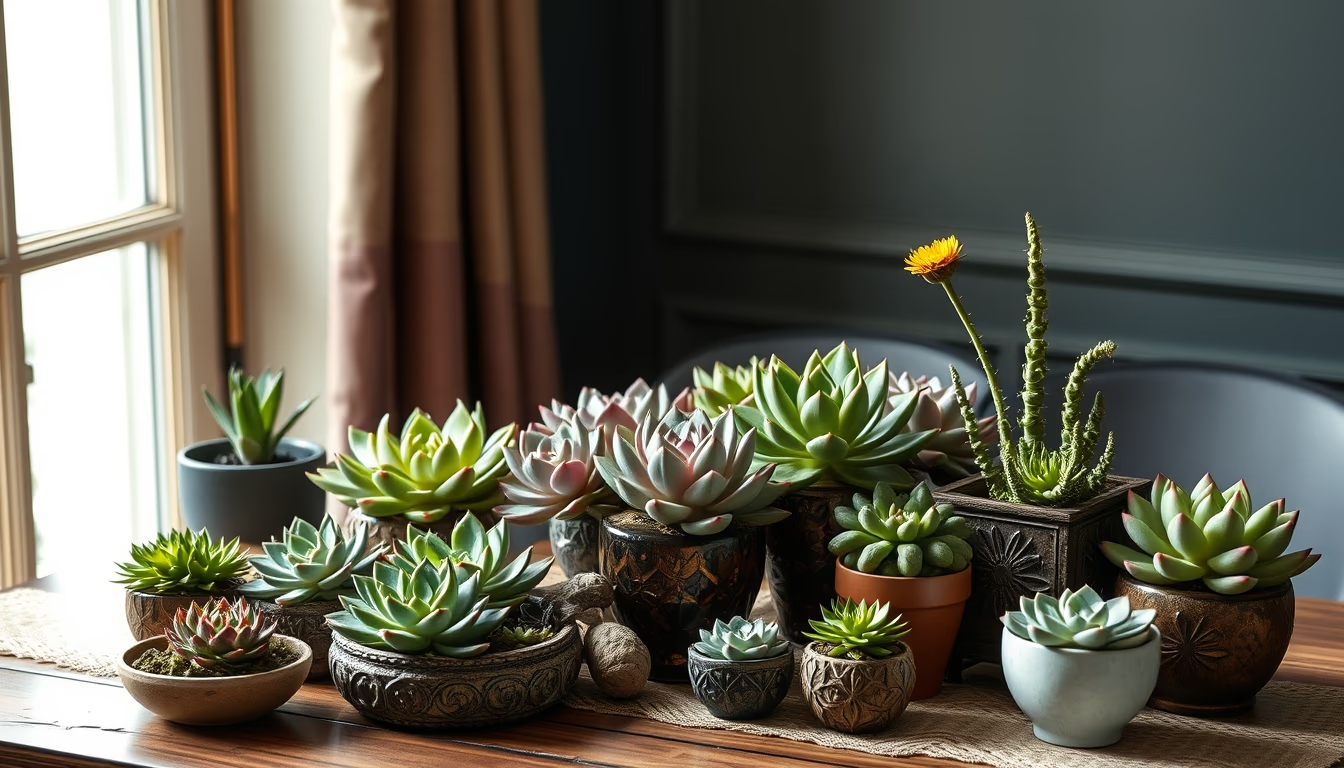
Air plants tillandsia
1344×768 · AVIF · CC BY 4.0
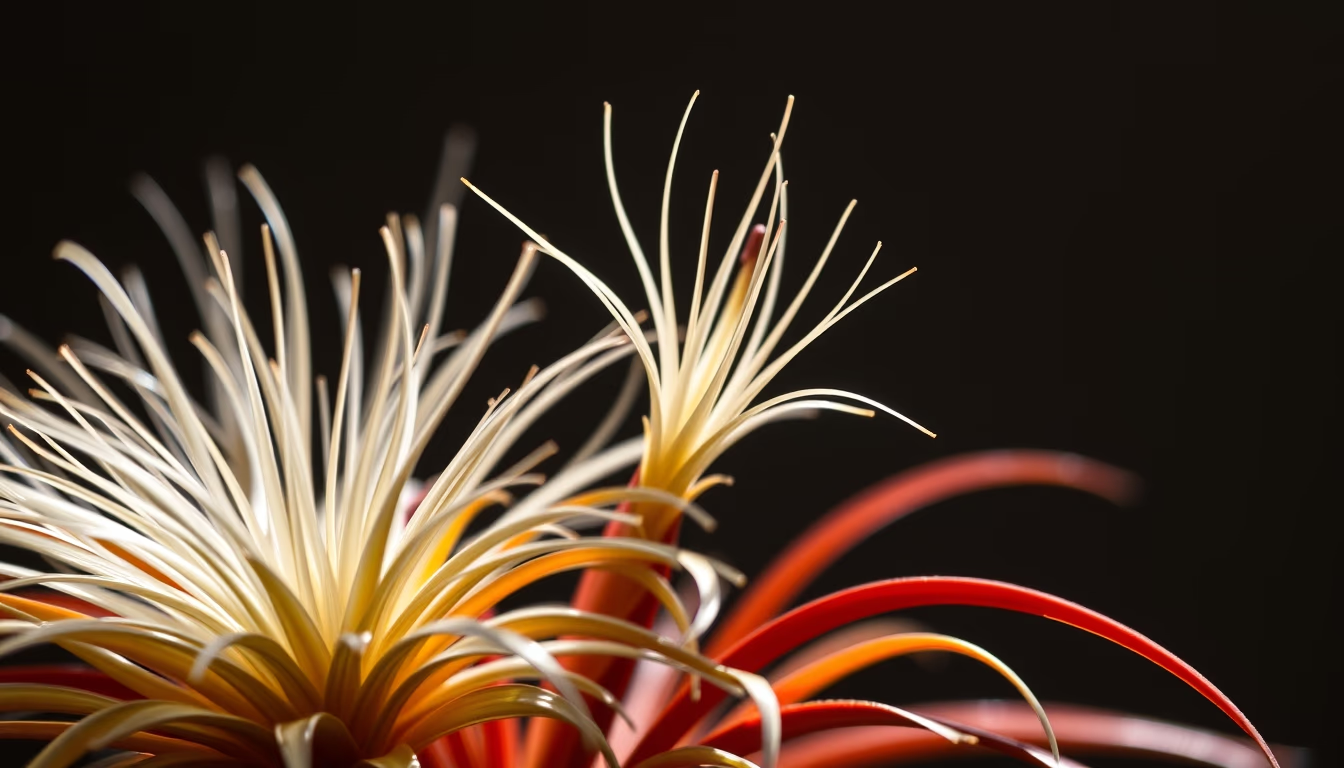
Tillandsias are epiphytic plants that grow without soil, absorbing nutrients and moisture from the air through their scaly leaves.
About this subject
Tillandsia, commonly known as air plants, belong to the Bromeliaceae family and are native to the Americas, ranging from the southern United States to Argentina. These epiphytic plants do not harm their hosts; they simply use tree bark, rocks, or even power lines as support. Their leaves are covered with trichomes, specialized scales that absorb water and nutrients from the atmosphere, making functional roots unnecessary for uptake.
Over 650 species of Tillandsia exist, with forms ranging from compact rosettes to trailing stems. Some, like Tillandsia usneoides (Spanish moss), form dense curtains on trees in the southern U.S. Others, such as Tillandsia cyanea, produce striking inflorescences in shades of pink and purple. In Brazil, they are common in tropical forests and restingas, where they enhance biodiversity by providing microhabitats for insects and amphibians.
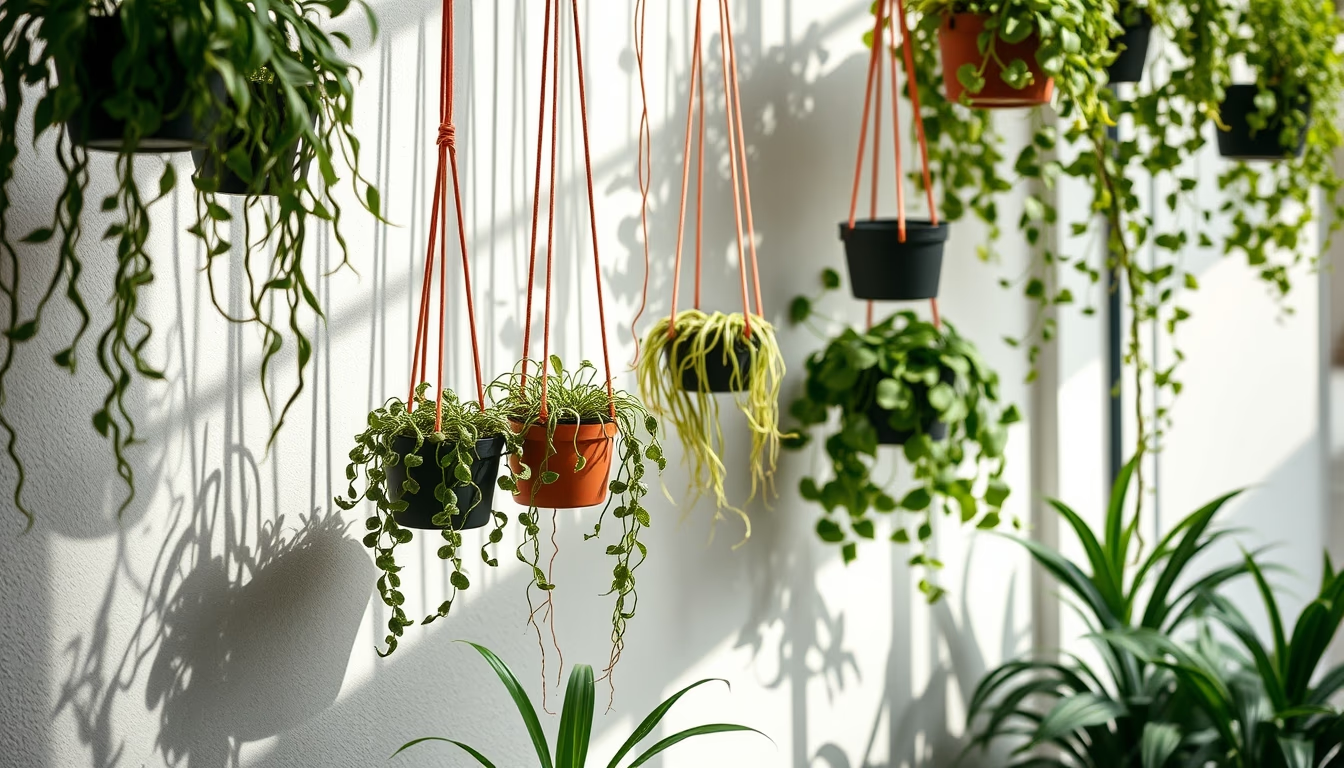
In horticulture, air plants have gained popularity for their low maintenance: they require only indirect light and occasional misting. They are frequently used in terrariums, vertical gardens, and kokedama displays. Interestingly, some species can store water in their leaves to endure prolonged droughts, an adaptation typical of arid environments like deserts and rocky highlands.
Indoor cultivation requires good air circulation to prevent rot. Propagation occurs via seeds or offsets, which can be separated when they reach one-third the size of the mother plant. Because they are sensitive to chlorine, filtered or rainwater is recommended for watering. These traits make tillandsias a fascinating example of evolutionary adaptation and ornamental versatility.
Frequently Asked Questions
Do air plants need soil to grow?
No. Air plants are epiphytic and absorb water and nutrients from the air via leaf trichomes. Soil or substrate serves only as support, not as a nutrient source.
How to properly water a tillandsia?
The best method is to mist the leaves with filtered or rainwater 2 to 3 times per week. In dry environments, you can submerge the plant in water for 30 minutes every two weeks. Avoid chlorinated water.
Which tillandsia species are commonly cultivated in Brazil?
Popular species include Tillandsia cyanea (pink inflorescence), Tillandsia ionantha (small and colorful), Tillandsia aeranthos (blue flowers), and Tillandsia usneoides (Spanish moss). Each has slightly different light and humidity requirements.
Direct URL
https://pub-c7d6a6ea828543ac903a74a341ccb2e1.r2.dev/imagens/air-plants-tillandsia-fine-art-photography-fresh14.avifHow to credit
Include a visible link back to UtilizAí. Copy one of the snippets below:
<a href="https://xn--utiliza-eza.com/en/midia/imagens/air-plants-tillandsia-fine-art-photography-fresh14">Air plants tillandsia</a> by <a href="https://xn--utiliza-eza.com">UtilizAí</a>, licensed under <a href="https://creativecommons.org/licenses/by/4.0/">CC BY 4.0</a>.
[Air plants tillandsia](https://xn--utiliza-eza.com/en/midia/imagens/air-plants-tillandsia-fine-art-photography-fresh14) by [UtilizAí](https://xn--utiliza-eza.com), CC BY 4.0
License: CC-BY-4.0