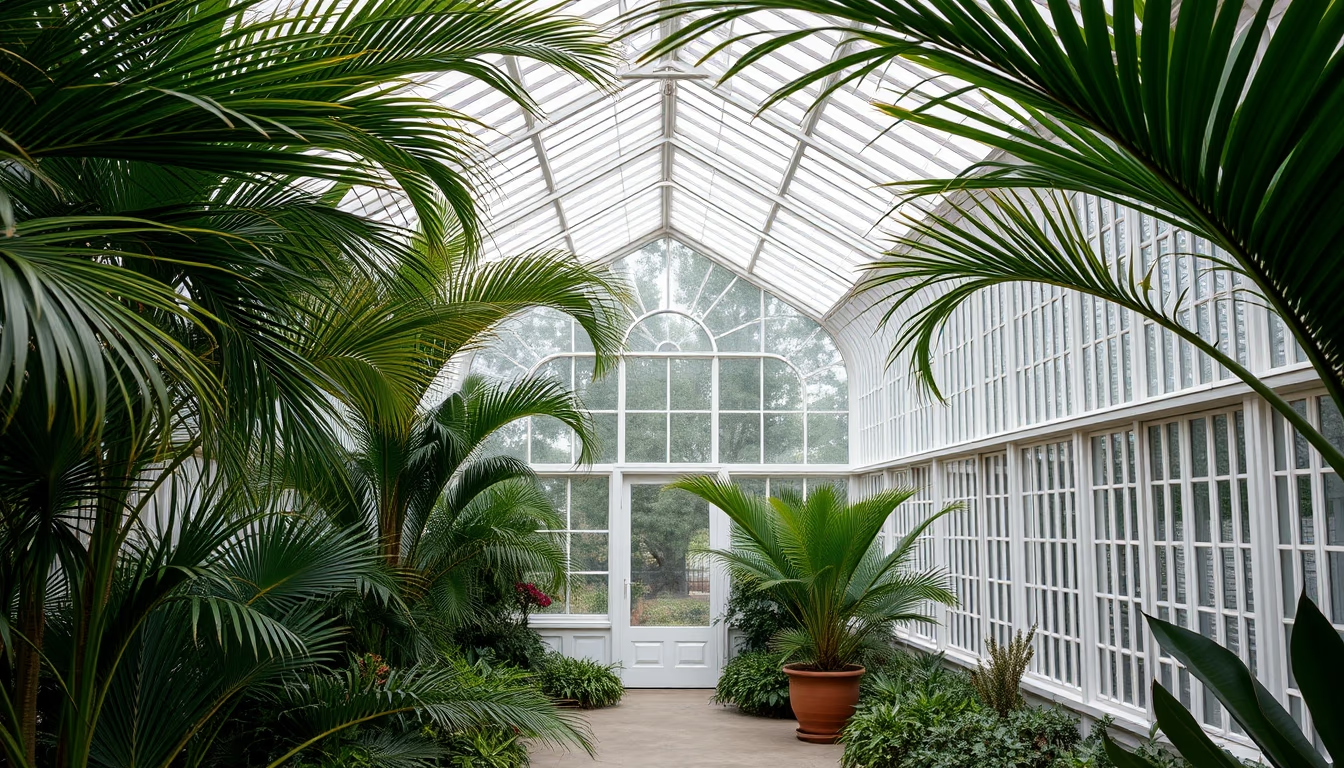
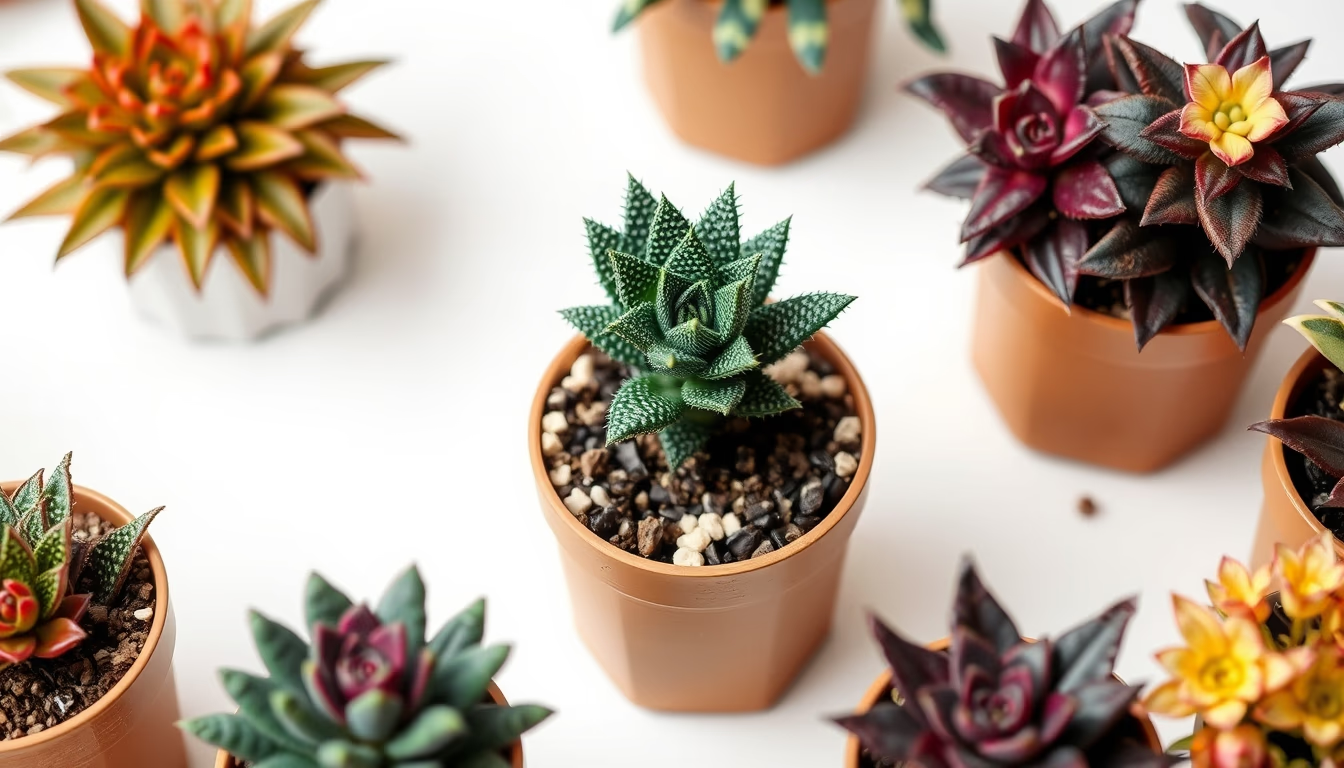
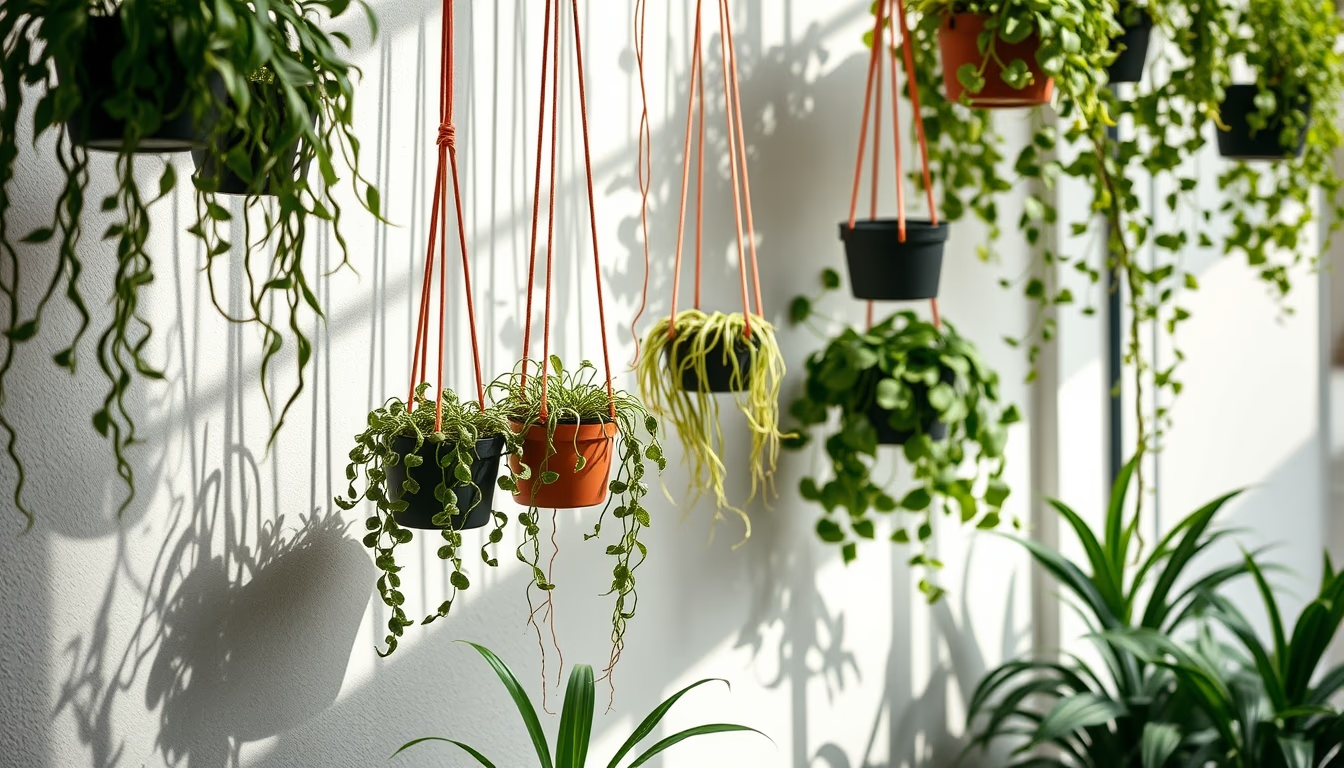
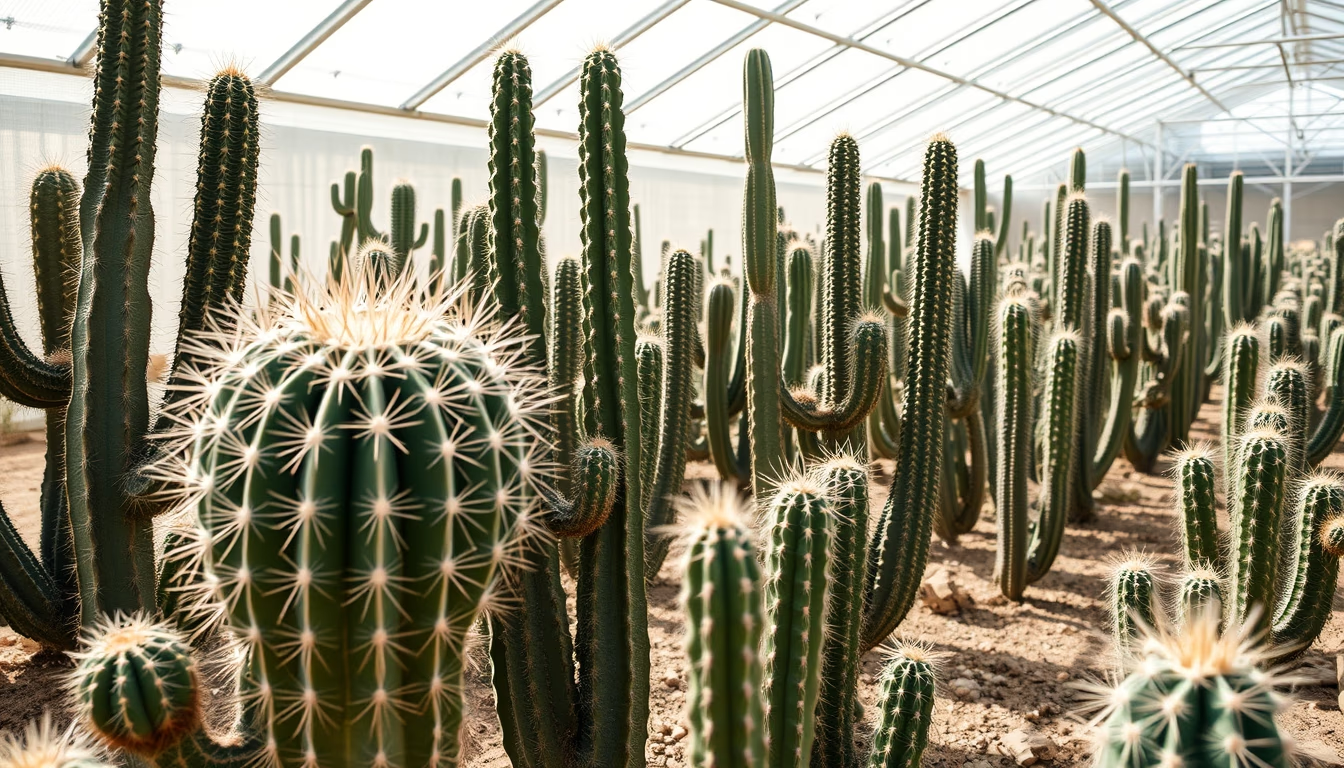
Air plants tillandsia
1344×768 · AVIF · CC BY 4.0
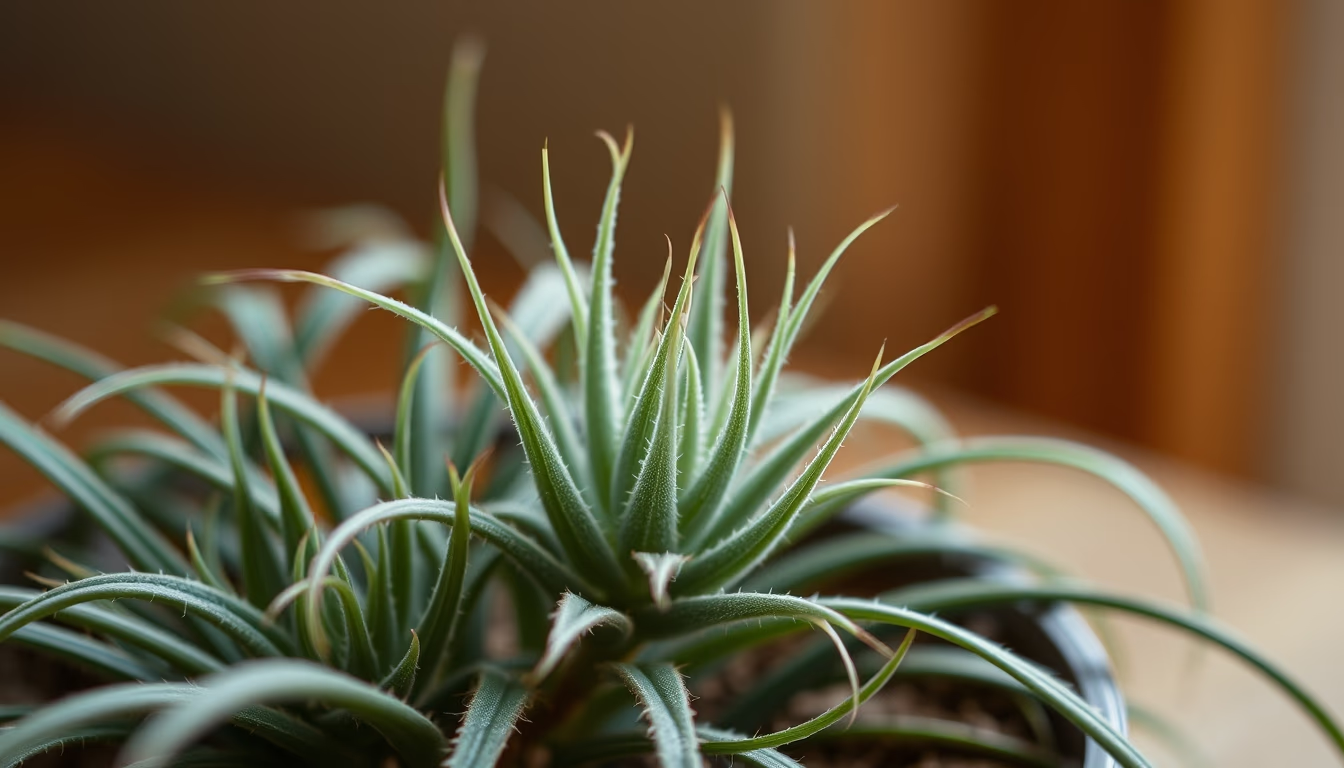
Tillandsias, also known as air plants, are epiphytic bromeliads that absorb water and nutrients through their leaves, native to the Americas.
About this subject
Tillandsias, commonly known as air plants, belong to the Bromeliaceae family and comprise over 650 species. Unlike typical plants, they do not require soil to grow: they attach themselves to trees, rocks, or even utility wires, absorbing moisture and nutrients from the air through specialized scales called trichomes on their leaves. This epiphytic adaptation allows them to thrive in diverse environments, from humid rainforests to arid deserts.
Native mainly to tropical and subtropical regions of the Americas, from the southern United States to Argentina, tillandsias play an important ecological role by providing microhabitats for insects and small animals. In Brazil, they are found in biomes such as the Atlantic Forest and the Cerrado. Iconic species like Tillandsia usneoides (Spanish moss) drape from branches in Southern landscapes, creating a characteristic visual.
In home cultivation, air plants have become popular due to their low maintenance and decorative versatility. They require indirect light, good air circulation, and weekly soaking. They are commonly used in terrariums, kokedamas, and vertical gardens. Interestingly, some species produce vibrant flowers that last for weeks, and the mother plant dies after blooming, leaving behind offsets (pups) to continue the cycle.
Frequently Asked Questions
Do air plants need soil to grow?
No. Tillandsias are epiphytes and absorb water and nutrients from the air through their leaves. They can be mounted on bark, rocks, or decorative supports without soil.
How should I water an air plant?
The most common method is to submerge the plant in filtered or rainwater for 20, 30 minutes every 5, 7 days. After soaking, let it dry completely in a well-ventilated area to prevent rot.
Where is the best place to keep air plants indoors?
They thrive in bright, indirect light (near east or west windows) with good air circulation. Avoid direct, intense sunlight, which can scorch the leaves.
Direct URL
https://pub-c7d6a6ea828543ac903a74a341ccb2e1.r2.dev/imagens/air-plants-tillandsia-documentary-photography-fresh8.avifHow to credit
Include a visible link back to UtilizAí. Copy one of the snippets below:
<a href="https://xn--utiliza-eza.com/en/midia/imagens/air-plants-tillandsia-documentary-photography-fresh8">Air plants tillandsia</a> by <a href="https://xn--utiliza-eza.com">UtilizAí</a>, licensed under <a href="https://creativecommons.org/licenses/by/4.0/">CC BY 4.0</a>.
[Air plants tillandsia](https://xn--utiliza-eza.com/en/midia/imagens/air-plants-tillandsia-documentary-photography-fresh8) by [UtilizAí](https://xn--utiliza-eza.com), CC BY 4.0
License: CC-BY-4.0