Air plants tillandsia
1344×768 · AVIF · CC BY 4.0
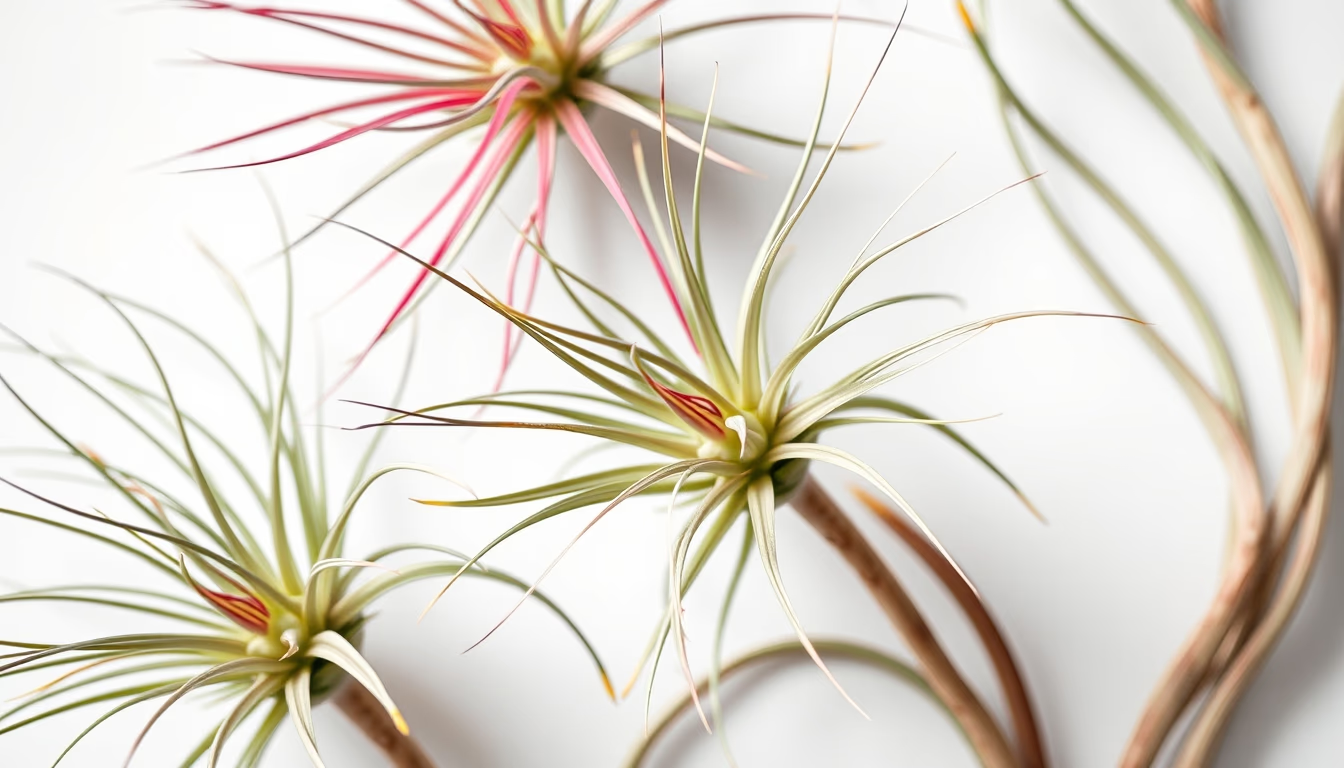
Tillandsias, known as air plants, are epiphytes that absorb water and nutrients from the air, requiring no soil. Native to the Americas, they have conquered vertical gardens and terrariums.
About this subject
Tillandsias belong to the Bromeliaceae family and are native to regions from the southern United States to Argentina. They grow attached to trees, rocks, or even power lines, obtaining moisture and minerals through specialized scales on their leaves. There are over 650 species, ranging from tiny puffballs to specimens reaching 3 meters in height. Tillandsia usneoides, known as Spanish moss, is famous for its long gray strands hanging from oaks in the southeastern US.
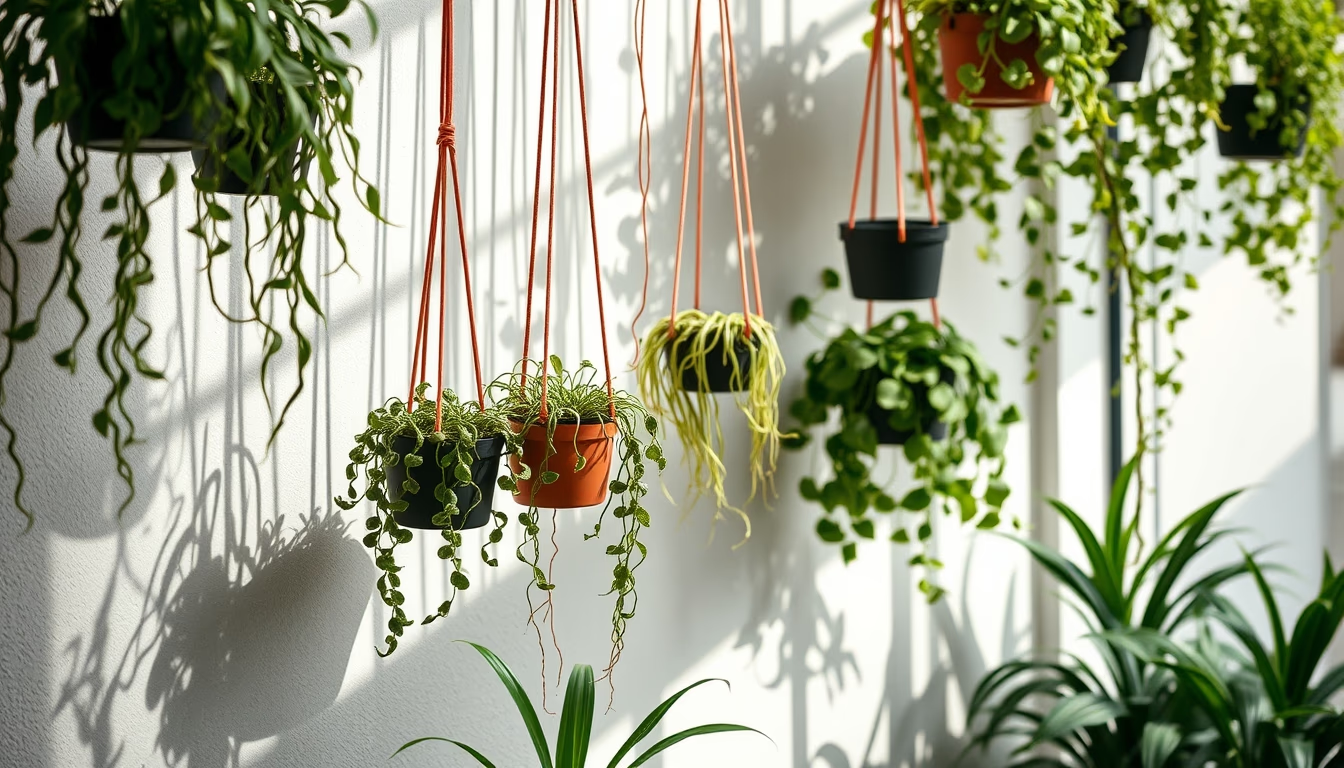
In gardening, they have become popular because they require no soil and take up little space. They are ideal for open terrariums, wire supports, and living walls. Watering is done by soaking in water for 20 to 30 minutes every 1 to 2 weeks, depending on ambient humidity. Bright indirect light is essential; direct sun burns the leaves. After blooming, which can last from days to months, the mother plant produces offsets (pups) that continue the cycle.
Interestingly, some tillandsias are pollinated by hummingbirds or nocturnal moths. In popular culture, they are associated with sustainable decor and low maintenance. In Brazil, they are common in vertical landscaping projects, such as green walls in São Paulo. They are also used in wedding arrangements and events for their exotic appearance and versatility.
Frequently Asked Questions
How should I water my tillandsias?
Submerge the plant in filtered or rainwater for 20 to 30 minutes every 1 to 2 weeks. Shake off excess water and place in a well-ventilated spot to dry within 4 hours, avoiding water accumulation at the base of the leaves.
Do tillandsias need fertilizer?
Yes, but sparingly. Use a bromeliad or orchid fertilizer diluted to 1/4 strength once a month during spring and summer. Avoid fertilizers containing urea, which can burn the leaves.
How to propagate tillandsias?
After flowering, the mother plant produces side shoots called pups. When they reach 1/3 the size of the mother, they can be carefully detached and placed on a new mount. Each pup will become an independent plant.
Direct URL
https://pub-c7d6a6ea828543ac903a74a341ccb2e1.r2.dev/imagens/air-plants-tillandsia-commercial-product-photography-fresh16.avifHow to credit
Include a visible link back to UtilizAí. Copy one of the snippets below:
<a href="https://xn--utiliza-eza.com/en/midia/imagens/air-plants-tillandsia-commercial-product-photography-fresh16">Air plants tillandsia</a> by <a href="https://xn--utiliza-eza.com">UtilizAí</a>, licensed under <a href="https://creativecommons.org/licenses/by/4.0/">CC BY 4.0</a>.
[Air plants tillandsia](https://xn--utiliza-eza.com/en/midia/imagens/air-plants-tillandsia-commercial-product-photography-fresh16) by [UtilizAí](https://xn--utiliza-eza.com), CC BY 4.0
License: CC-BY-4.0