AI brain visualization holographic
1344×768 · AVIF · CC BY 4.0
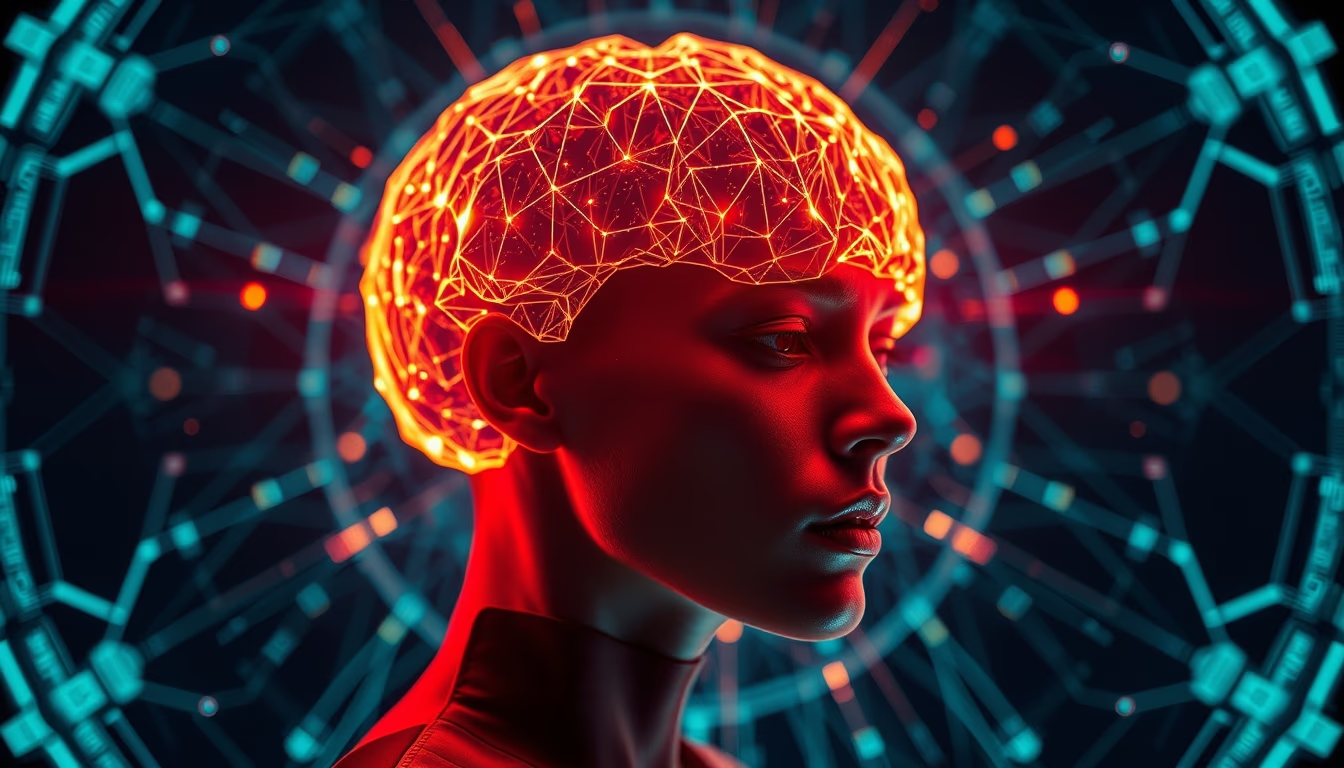
Holographic visualization of an AI brain, blending cutting-edge technology with high-fashion aesthetics.
About this subject
The holographic representation of an artificial brain synthesizes two frontiers of contemporary innovation: computational neuroscience and real-time data visualization. Unlike static MRI models, this three-dimensional projection allows observation of simulated synaptic activity in a deep neural network, with dynamic colored connections indicating different activation patterns. The coherent light beam holography technology, similar to that used in next-generation augmented reality displays, creates an image that appears to float in space without the need for special glasses.
In the context of high-fashion editorial, the image evokes cyberpunk aesthetics and the techwear movement, where technological functionality merges with avant-garde design. The diffuse lighting and cool colors recall research laboratories in artificial intelligence, such as those at the MIT Media Lab or DeepMind. The use of holograms in fashion editorials is not merely a visual gimmick; it symbolizes the growing influence of AI in pattern creation, fabric design, and even predictive trend modeling.
Interestingly, the visualization of artificial neural networks directly draws inspiration from human brain connectivity maps, such as those generated by the Human Connectome Project. However, while a biological brain has about 86 billion neurons, current artificial neural networks operate with millions of parameters but can already simulate cognitive processes like image recognition and natural language processing. The image captures this moment of convergence between the organic and the synthetic, where aesthetics serve as a bridge to understanding abstract concepts.
The choice of a holographic presentation also engages with the quest for more intuitive and immersive interfaces. Companies like Microsoft, with HoloLens, and Magic Leap are already exploring medical and educational applications for 3D visualizations. In the future, neuroscientists may use interactive holograms to map neural circuits in real time, while fashion designers might incorporate these images into runway shows to question the boundaries between human and machine.
Frequently Asked Questions
What is a holographic visualization of an AI brain?
It is a three-dimensional projection generated by holography that simulates the activity of an artificial neural network, showing dynamic synaptic connections in real time, often used for educational or aesthetic purposes.
How is holography used in high fashion?
Holography in fashion editorials serves as a futuristic visual element, symbolizing the integration of technology and design. It allows the creation of ethereal and immersive images that highlight innovation and cyberpunk aesthetics.
What is the difference between a biological brain and an artificial neural network?
The human brain has about 86 billion neurons and is highly energy-efficient. Artificial neural networks have millions of parameters and consume more energy, but can process large volumes of data for specific tasks like pattern recognition.
Direct URL
https://pub-c7d6a6ea828543ac903a74a341ccb2e1.r2.dev/imagens/ai-brain-visualization-holographic-high-fashion-editorial.avifHow to credit
Include a visible link back to UtilizAí. Copy one of the snippets below:
<a href="https://xn--utiliza-eza.com/en/midia/imagens/ai-brain-visualization-holographic-high-fashion-editorial">AI brain visualization holographic</a> by <a href="https://xn--utiliza-eza.com">UtilizAí</a>, licensed under <a href="https://creativecommons.org/licenses/by/4.0/">CC BY 4.0</a>.
[AI brain visualization holographic](https://xn--utiliza-eza.com/en/midia/imagens/ai-brain-visualization-holographic-high-fashion-editorial) by [UtilizAí](https://xn--utiliza-eza.com), CC BY 4.0
License: CC-BY-4.0