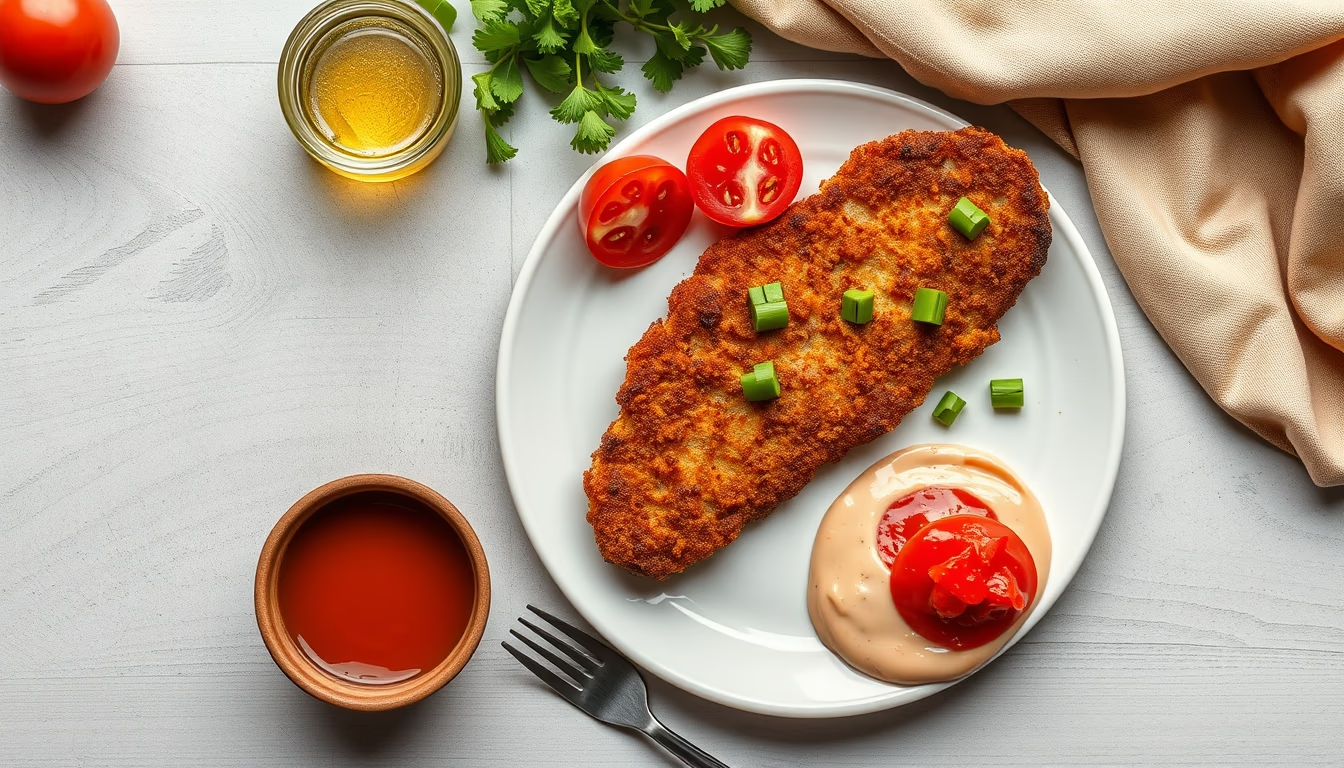
Wiener schnitzel plate
1344×768 · AVIF · CC BY 4.0
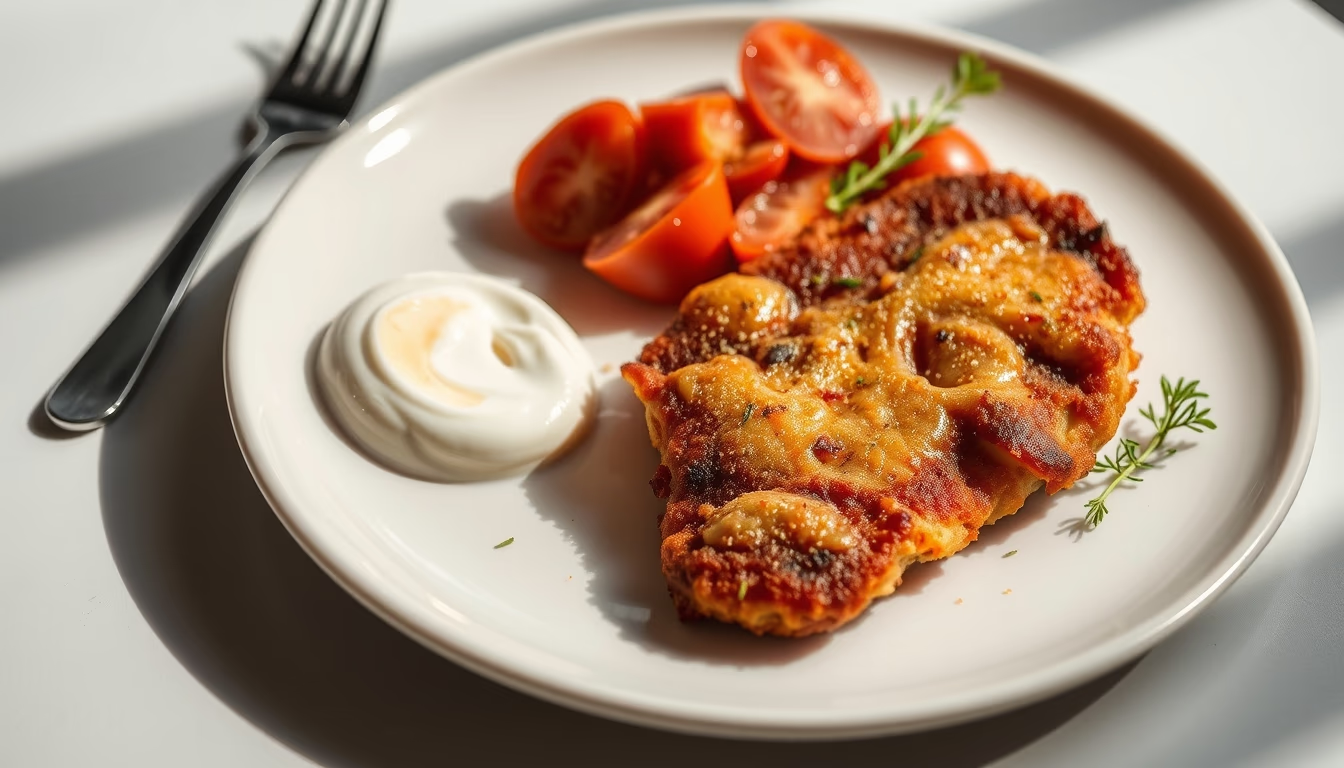
Wiener schnitzel is a classic Austrian dish consisting of a breaded and fried veal cutlet, traditionally served with lemon slices and potato salad.
About this subject
Wiener schnitzel, whose name literally means 'Viennese cutlet', is one of Austria's most emblematic dishes and dates back to the 19th century. It is believed to have been brought from Milan by Field Marshal Radetzky, but it was in Vienna that it took its definitive form. The dish consists of a thin veal cutlet, lightly pounded until very thin, seasoned with salt and pepper, dredged in flour, beaten egg, and breadcrumbs, and fried in ample clarified butter or lard until golden and crispy.
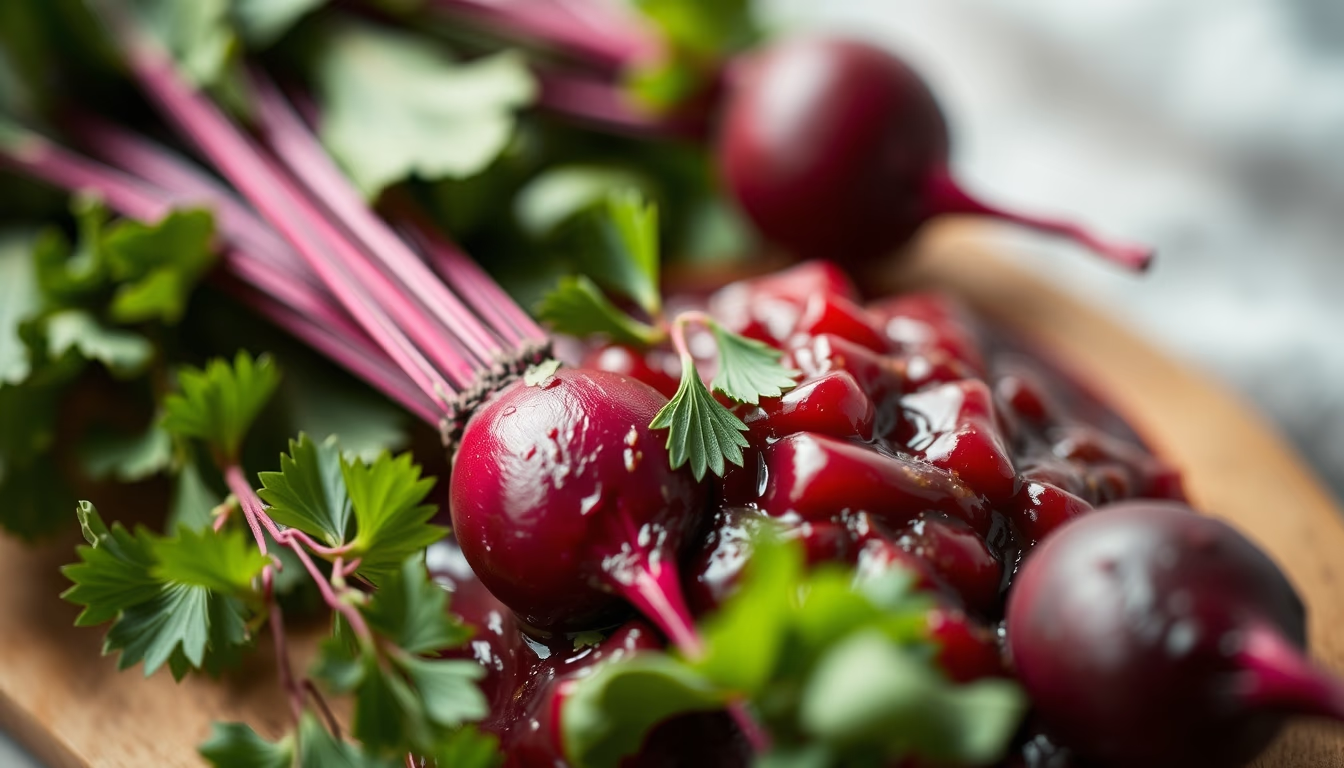
Tradition dictates that the schnitzel be served immediately after frying, accompanied by lemon slices to be squeezed over the meat, along with potato salad with dill or cucumber salad. Other common sides include mashed potatoes, rice, and curiously, lingonberry jam or cranberry compote. In Austria, the dish is so iconic that an unwritten law prohibits serving it with sauces or vegetables other than the traditional ones.
Although the original is veal, popular variations use pork, chicken, or turkey, but these versions cannot be called Wiener schnitzel in Austria; they are known as Schnitzel Wiener Art (Viennese style) or simply schnitzel. The distinction is taken so seriously that in 2009, a restaurant in Belgium was sued for serving pork schnitzel as 'Wiener schnitzel'. The dish has also spread worldwide, being adapted in countries such as Germany, Hungary, the Czech Republic, and even Brazil, where it is common in German cuisine restaurants.
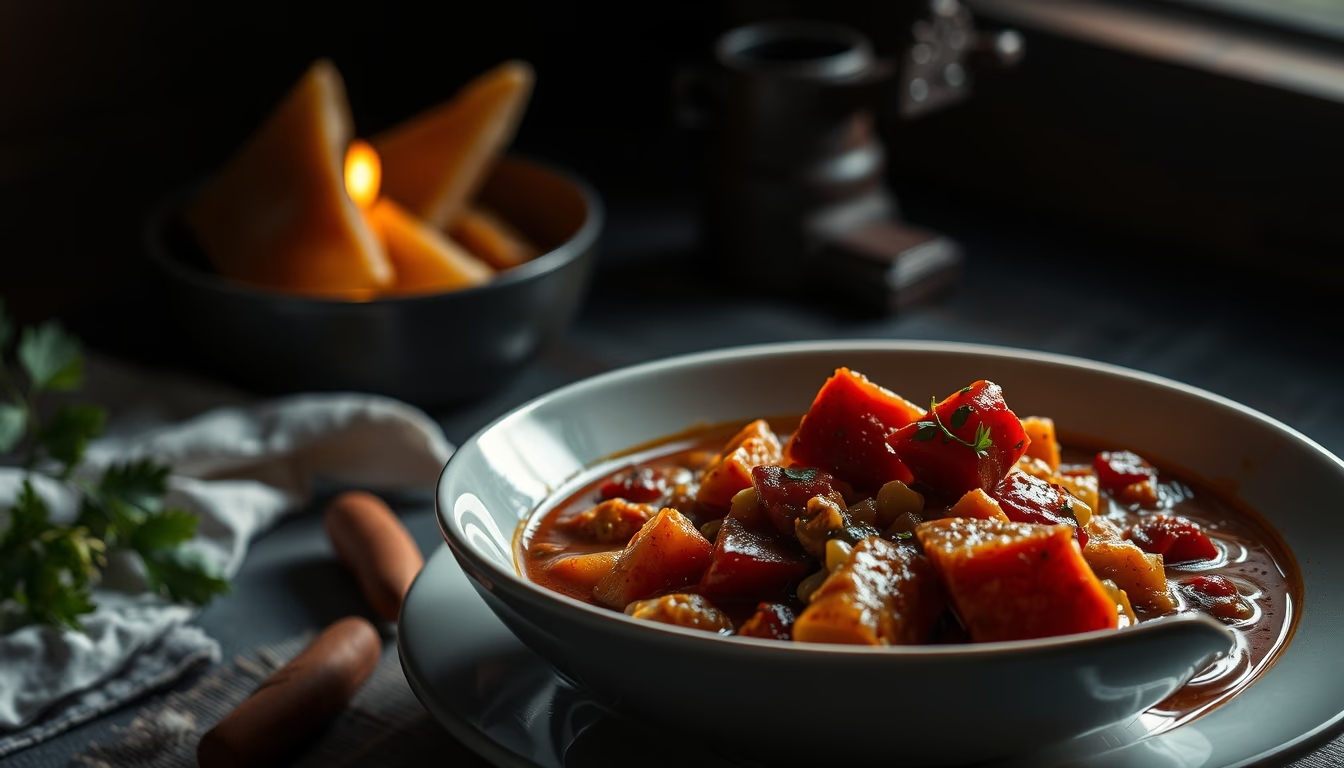
The crispiness of the breading and the tenderness of the meat are the secret to Wiener schnitzel's success. It is an example of simple yet refined cooking characteristic of Austrian gastronomy. Served in traditional pubs called 'Beisl' or in elegant restaurants, schnitzel remains a symbol of the country's hospitality and food culture. During Oktoberfest and other festivities, it is one of the most ordered dishes, alongside apple strudel and Goulash.
Frequently Asked Questions
What is the origin of Wiener schnitzel?
Wiener schnitzel originated in Vienna, Austria, in the 19th century. Legend says it was introduced by Field Marshal Radetzky upon returning from Milan, but its popularity exploded in the Austrian capital, where the iconic recipe was perfected.
What is the difference between Wiener schnitzel and a regular schnitzel?
Wiener schnitzel is made exclusively with veal, while regular schnitzel can be made with pork, chicken, or turkey. In Austria, the pork version is called Schnitzel Wiener Art (Viennese style) and cannot legally be sold as Wiener schnitzel.
What are the traditional side dishes for Wiener schnitzel?
Traditionally, it is served with lemon slices, potato salad with dill, or cucumber salad. Other common sides include mashed potatoes, rice, and lingonberry jam. In Austria, sauces or non-traditional vegetables are avoided.
Direct URL
https://pub-c7d6a6ea828543ac903a74a341ccb2e1.r2.dev/imagens/wiener-schnitzel-plate-magazine-editorial-fresh8.avifHow to credit
Include a visible link back to UtilizAí. Copy one of the snippets below:
<a href="https://xn--utiliza-eza.com/en/midia/imagens/wiener-schnitzel-plate-magazine-editorial-fresh8">Wiener schnitzel plate</a> by <a href="https://xn--utiliza-eza.com">UtilizAí</a>, licensed under <a href="https://creativecommons.org/licenses/by/4.0/">CC BY 4.0</a>.
[Wiener schnitzel plate](https://xn--utiliza-eza.com/en/midia/imagens/wiener-schnitzel-plate-magazine-editorial-fresh8) by [UtilizAí](https://xn--utiliza-eza.com), CC BY 4.0
License: CC-BY-4.0