Wiener schnitzel plate
1344×768 · AVIF · CC BY 4.0
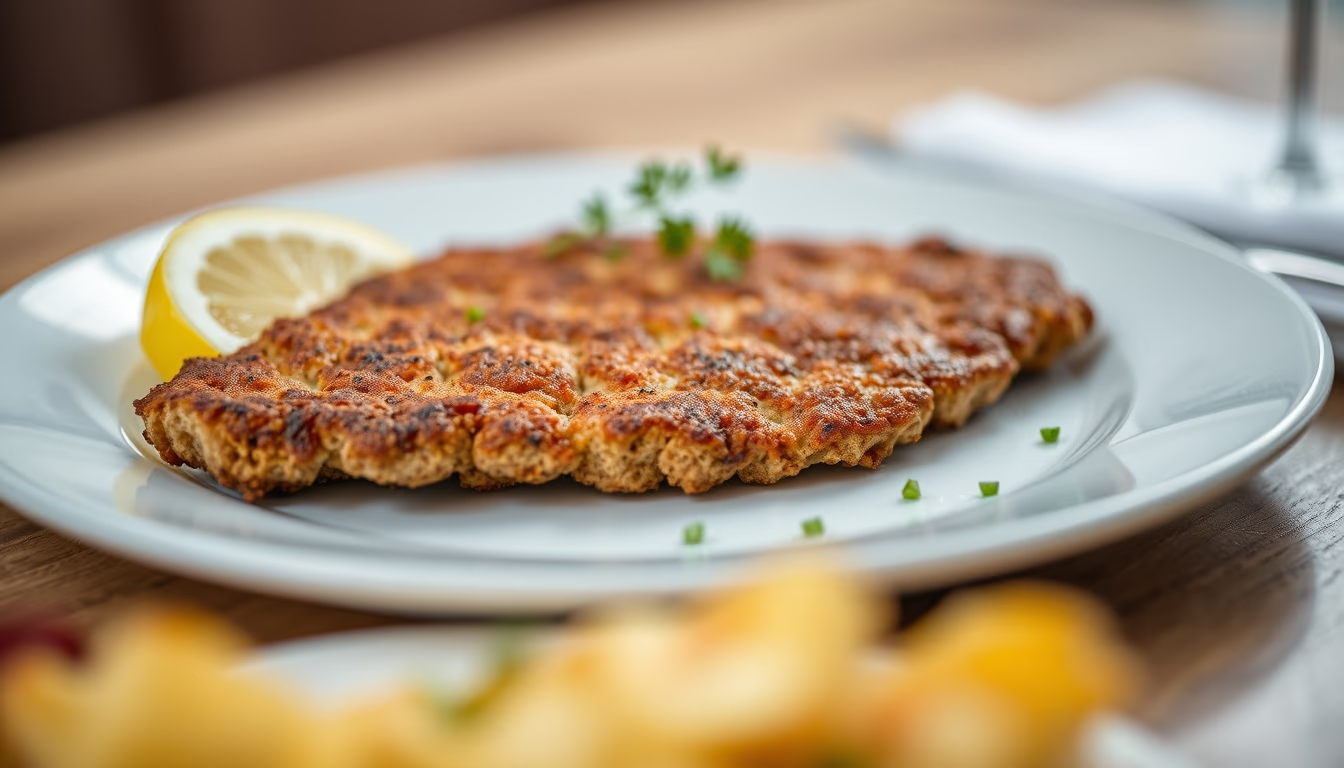
Wiener schnitzel is a classic Austrian dish: a thin veal cutlet breaded and fried, traditionally served with lemon and potatoes.
About this subject
Wiener schnitzel is one of the most emblematic dishes of Austrian cuisine, originating in Vienna. It consists of a thin slice of veal, lightly pounded to tenderize, coated in flour, beaten eggs, and breadcrumbs, then fried in plenty of fat (traditionally lard or clarified butter) until golden. The result is a crispy crust and a tender, juicy interior. The recipe is protected by law in Austria: to be called genuine "Wiener Schnitzel," the dish must be made exclusively with veal. Versions made with pork are labeled "Schnitzel Wiener Art" (Viennese style).
The origin of Wiener schnitzel is debated. Although associated with Vienna, similar dishes existed in the Byzantine Empire and Renaissance Italy, such as the Milanese cutlet (cotoletta alla milanese). It is believed that the dish was introduced to Austria during the 19th century, possibly by Field Marshal Joseph Radetzky, who allegedly brought the recipe from Italy. Regardless of its origins, Wiener schnitzel has become a national symbol of Austria, served in high-end restaurants and at simple street stalls alike.
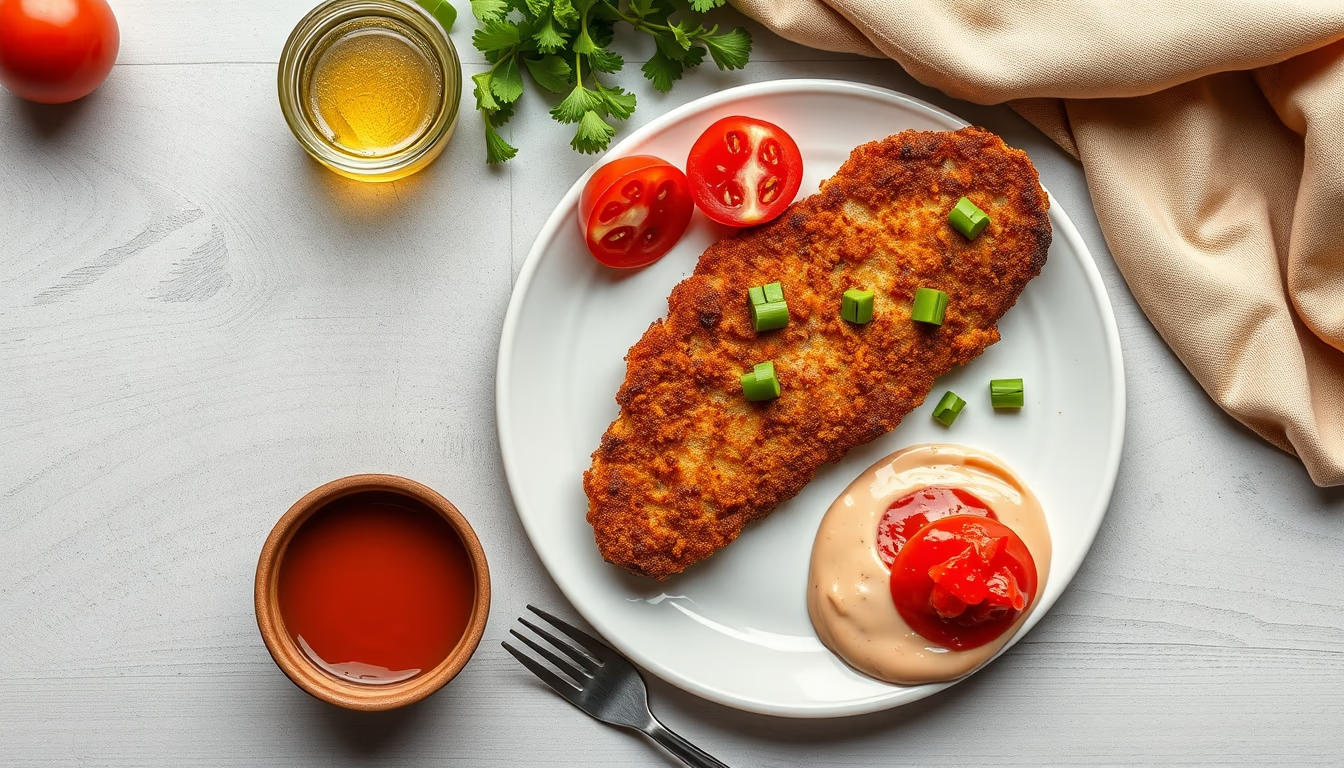
Traditionally, Wiener schnitzel is accompanied by potatoes prepared in various ways: potato salad (Erdäpfelsalat), parsley potatoes (Petersilienkartoffeln), or mashed potatoes. A lemon wedge is squeezed over the schnitzel before eating, adding acidity to balance the richness. Lingonberry or cranberry jam may also be served on the side. The dish is often paired with a cucumber or lettuce salad. Typical beverages include Austrian light beers or a dry white wine from the Wachau region.
The popularity of Wiener schnitzel has spread worldwide, with many restaurants adapting it using alternative meats such as chicken or turkey. However, the original veal version remains the favorite among purists. The dish is so iconic that it has inspired variations in other countries, such as Israeli schnitzel (made with chicken or turkey) and Argentine milanesa napolitana. Despite these adaptations, the true Wiener schnitzel remains an Austrian culinary treasure, celebrated for its simplicity and unmistakable flavor.
Frequently Asked Questions
What is the difference between Wiener schnitzel and regular schnitzel?
Genuine Wiener schnitzel must be made from veal, while regular schnitzel can be made from pork, chicken, or turkey. In Austria, pork schnitzel is called 'Schnitzel Wiener Art'.
Is Wiener schnitzel served with sauce?
Traditionally, no sauce is added to Wiener schnitzel to keep the crust crispy. It is served with lemon, potato salad or parsley potatoes, and sometimes lingonberry jam.
Is Wiener schnitzel the same as Italian Milanese cutlet?
They are similar but not identical. Wiener schnitzel is thinner and fried in more fat, while cotoletta alla milanese is often thicker and fried with the bone. Argentine milanesa napolitana is a variation with tomato sauce and cheese.
Direct URL
https://pub-c7d6a6ea828543ac903a74a341ccb2e1.r2.dev/imagens/wiener-schnitzel-plate-macro-closeup-fresh5.avifHow to credit
Include a visible link back to UtilizAí. Copy one of the snippets below:
<a href="https://xn--utiliza-eza.com/en/midia/imagens/wiener-schnitzel-plate-macro-closeup-fresh5">Wiener schnitzel plate</a> by <a href="https://xn--utiliza-eza.com">UtilizAí</a>, licensed under <a href="https://creativecommons.org/licenses/by/4.0/">CC BY 4.0</a>.
[Wiener schnitzel plate](https://xn--utiliza-eza.com/en/midia/imagens/wiener-schnitzel-plate-macro-closeup-fresh5) by [UtilizAí](https://xn--utiliza-eza.com), CC BY 4.0
License: CC-BY-4.0