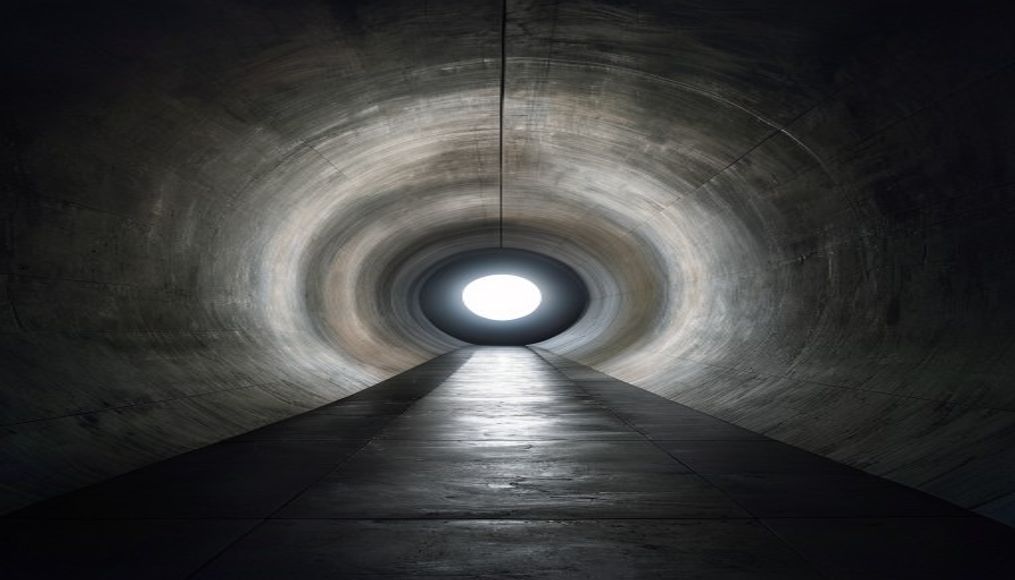
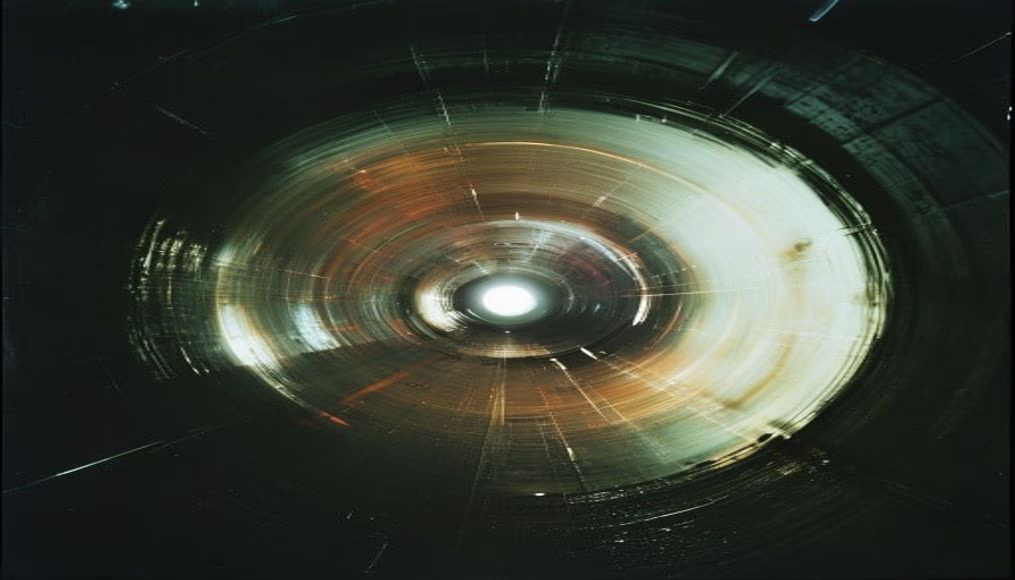
White dwarf star fading
1344×768 · AVIF · CC BY 4.0

A white dwarf in the process of gradual cooling and dimming, a phenomenon that takes billions of years until it becomes a black dwarf.
About this subject
White dwarfs are the remaining cores of low to intermediate mass stars, like the Sun, after they have exhausted their nuclear fuel. With about 0.6 solar masses compressed into the size of Earth, these stars have extreme density: a teaspoon of their material would weigh tons. They no longer generate energy through fusion; instead, they shine using stored residual heat. This heat slowly dissipates into space over billions of years, causing the white dwarf to cool and become increasingly faint, a process known as fading or cooling.
The brightness of a white dwarf depends on its surface temperature, which can initially exceed 100,000 K, but gradually drops. Stars like Sirius B, the companion of Sirius, are already in an advanced cooling stage, with a temperature around 25,000 K. The time needed for a white dwarf to cool from 100,000 K to 5,000 K is estimated at about 10 billion years, older than the current age of the Universe. Therefore, astronomers have not yet observed black dwarfs (the final stage, completely cold and dark). Factors such as the initial stellar composition and the presence of dark matter may influence the cooling rate.
Studying the cooling of white dwarfs is crucial for dating stellar clusters. The coolest white dwarfs in a cluster indicate its minimum age. Additionally, brightness variations may reveal processes like accretion of material from a debris disk, possible evidence of surviving planetary systems. Instruments like the James Webb Space Telescope help detect these increasingly faint objects, expanding our understanding of the ultimate fate of stars like the Sun.
Frequently Asked Questions
How long does it take for a white dwarf to completely fade?
The cooling process to become a black dwarf (completely cold and dark) takes tens of billions of years, longer than the current age of the Universe (13.8 billion years). Therefore, no black dwarf has ever been observed.
What happens to a white dwarf as it fades?
Its surface temperature gradually decreases, reducing emitted brightness. Initially blue or white, it becomes yellowish and then dark red, eventually emitting only infrared radiation. The internal structure remains stable, supported by electron degeneracy pressure.
Can we observe a white dwarf fading in real time?
No, because the timescale is extremely long. However, we observe white dwarfs at different cooling stages, allowing study of the process. Examples like Sirius B and 40 Eridani B provide data on various temperatures and ages.
Direct URL
https://pub-c7d6a6ea828543ac903a74a341ccb2e1.r2.dev/imagens/white-dwarf-star-fading-cinematic-wide-shot-p4.avifHow to credit
Include a visible link back to UtilizAí. Copy one of the snippets below:
<a href="https://xn--utiliza-eza.com/en/midia/imagens/white-dwarf-star-fading-cinematic-wide-shot-p4">White dwarf star fading</a> by <a href="https://xn--utiliza-eza.com">UtilizAí</a>, licensed under <a href="https://creativecommons.org/licenses/by/4.0/">CC BY 4.0</a>.
[White dwarf star fading](https://xn--utiliza-eza.com/en/midia/imagens/white-dwarf-star-fading-cinematic-wide-shot-p4) by [UtilizAí](https://xn--utiliza-eza.com), CC BY 4.0
License: CC-BY-4.0