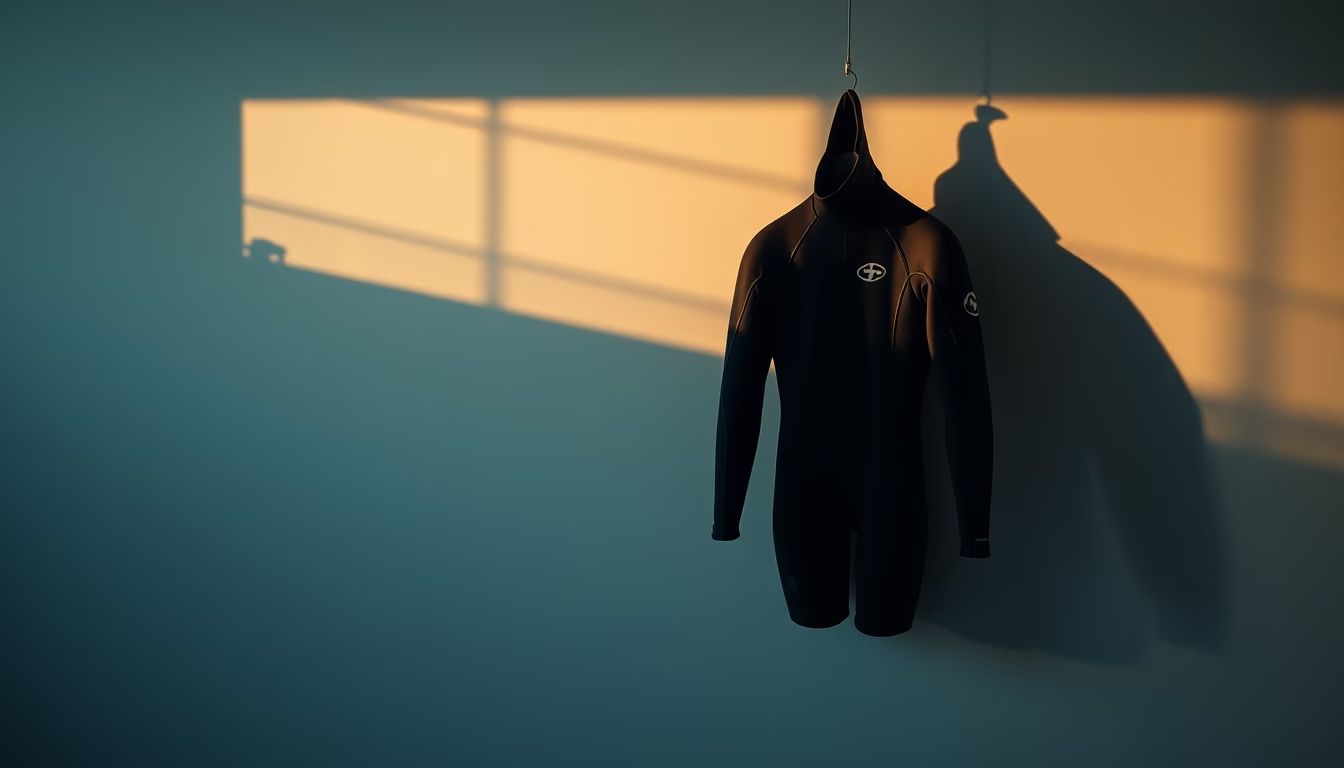
Wetsuit hanging black
1344×768 · AVIF · CC BY 4.0
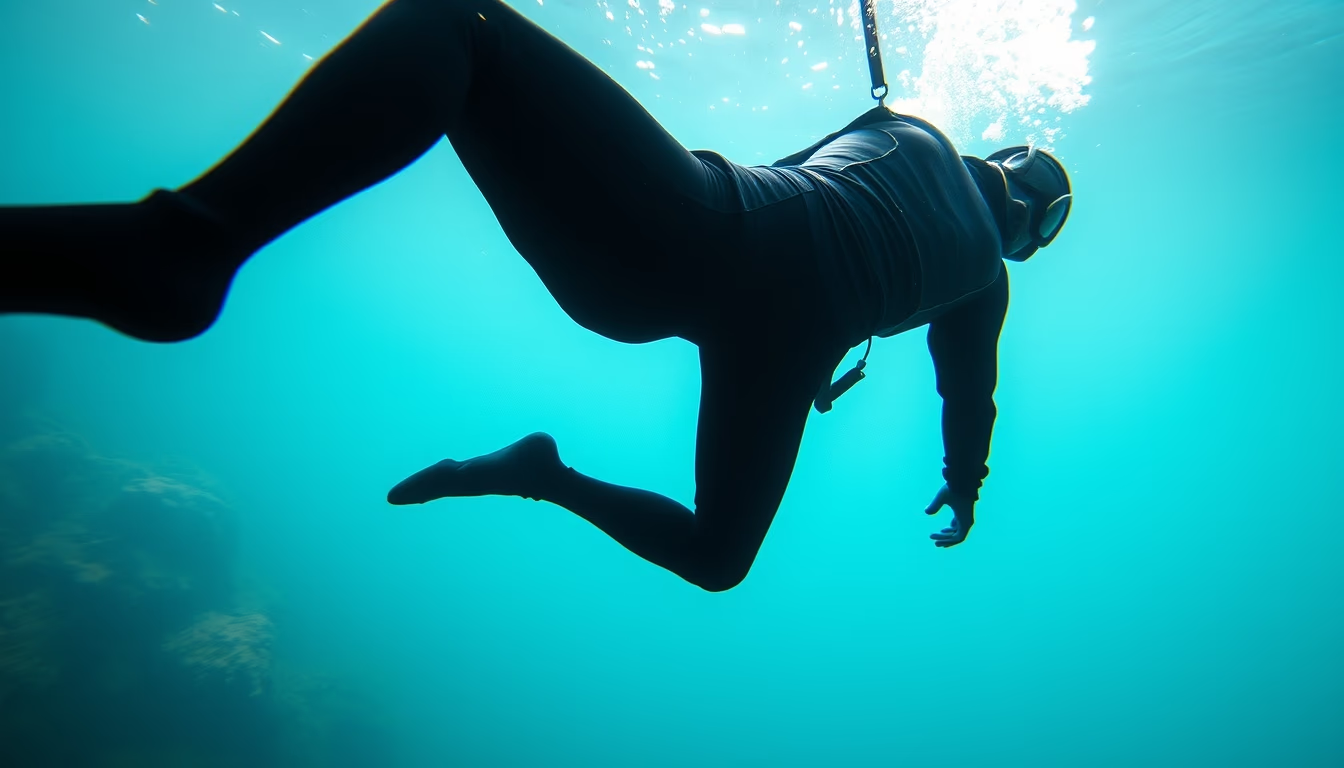
A black wetsuit hanging evokes the functionality and design of diving suits, essential for safe water sports in cold waters.
About this subject
Wetsuits are garments designed to thermally insulate the body in aquatic environments. Typically made of neoprene, a synthetic rubber with nitrogen gas bubbles, they trap a thin layer of water between the fabric and skin, which is warmed by body heat, keeping the diver comfortable even in low temperatures. Neoprene thickness ranges from thin suits (2-3 mm) for tropical waters to thick ones (5-7 mm) for cold waters, such as those found in southern Brazil or Europe.
The invention of the wetsuit is credited to physicist Hugh Bradner, who developed the first prototype in 1951 for the United States Navy. Since then, designs have evolved to include zippers, flexible panels, and glued seams for increased durability. In Brazil, diving and surfing have popularized the use of wetsuits, especially in states like Santa Catarina and Rio Grande do Sul, where South Atlantic waters can reach 15°C in winter.
Beyond thermal regulation, wetsuits offer protection against abrasions, jellyfish stings, and UV rays. The black color, common in utility models, absorbs heat and hides wear marks. Care such as rinsing with fresh water after use and drying in the shade prolongs the suit's lifespan, which can last several years with proper maintenance. Brands like Rip Curl, O'Neill, and Brazilian Mormaii are benchmarks in the local market.
Interestingly, neoprene used in wetsuits is also employed in laptop sleeves and phone cases, showcasing its versatility. The term "wetsuit" contrasts with "dry suit," which fully isolates the body from water, used in technical diving or very cold waters.
Frequently Asked Questions
What is the difference between a wetsuit and a dry suit?
A wetsuit allows a thin layer of water to enter, which is heated by the body, suitable for temperate waters. A dry suit is fully sealed, keeping the diver dry, used in very cold waters or technical diving.
How do I choose the right wetsuit thickness?
It depends on water temperature: for water above 24°C, use 2-3 mm; for 18-24°C, 3-5 mm; for below 18°C, 5-7 mm. In Brazil, 3-4 mm is common for surfing and recreational diving.
Is a black wetsuit warmer than colored ones?
Not necessarily. Black absorbs more solar radiation, which can slightly warm the suit on the surface, but thermal insulation depends on the thickness and quality of the neoprene, not the color.
Direct URL
https://pub-c7d6a6ea828543ac903a74a341ccb2e1.r2.dev/imagens/wetsuit-hanging-black-lo-fi-disposable-camera-fresh12.avifHow to credit
Include a visible link back to UtilizAí. Copy one of the snippets below:
<a href="https://xn--utiliza-eza.com/en/midia/imagens/wetsuit-hanging-black-lo-fi-disposable-camera-fresh12">Wetsuit hanging black</a> by <a href="https://xn--utiliza-eza.com">UtilizAí</a>, licensed under <a href="https://creativecommons.org/licenses/by/4.0/">CC BY 4.0</a>.
[Wetsuit hanging black](https://xn--utiliza-eza.com/en/midia/imagens/wetsuit-hanging-black-lo-fi-disposable-camera-fresh12) by [UtilizAí](https://xn--utiliza-eza.com), CC BY 4.0
License: CC-BY-4.0