Western saddle leather
1344×768 · AVIF · CC BY 4.0
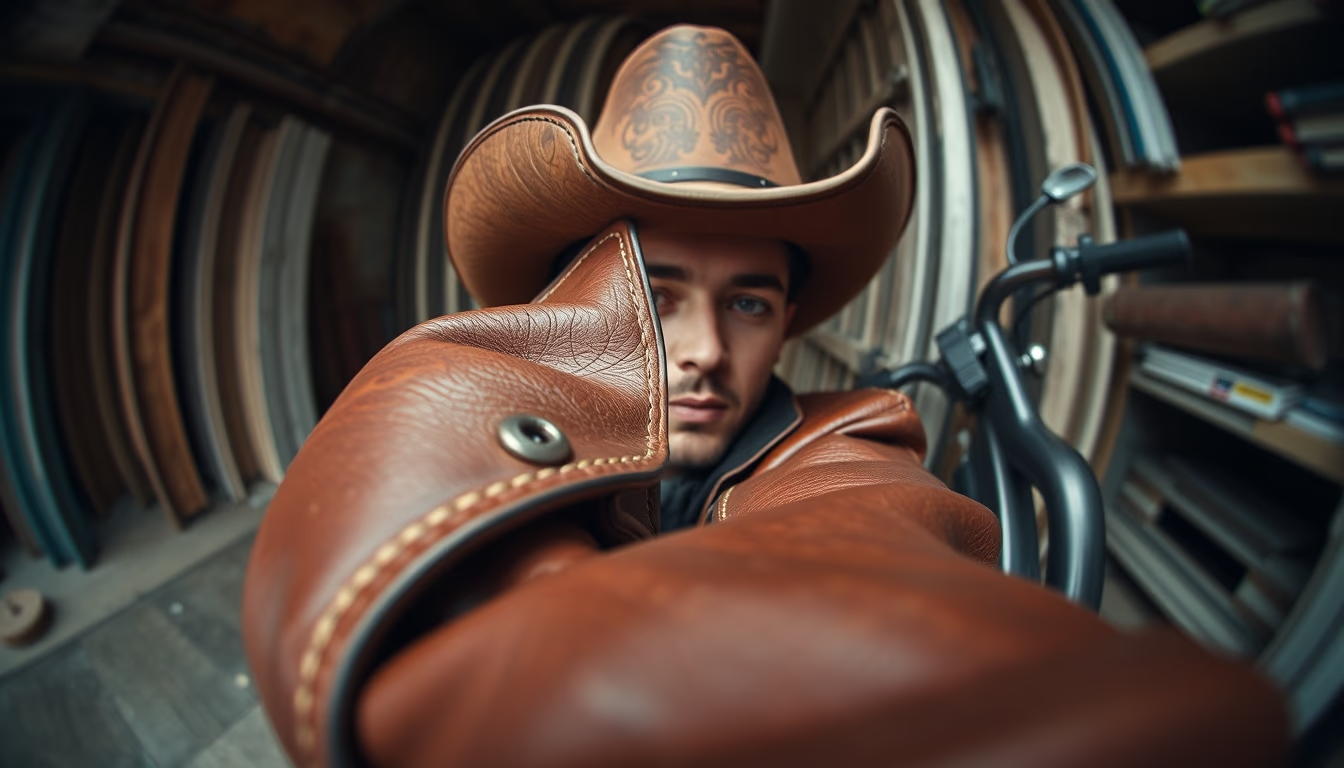
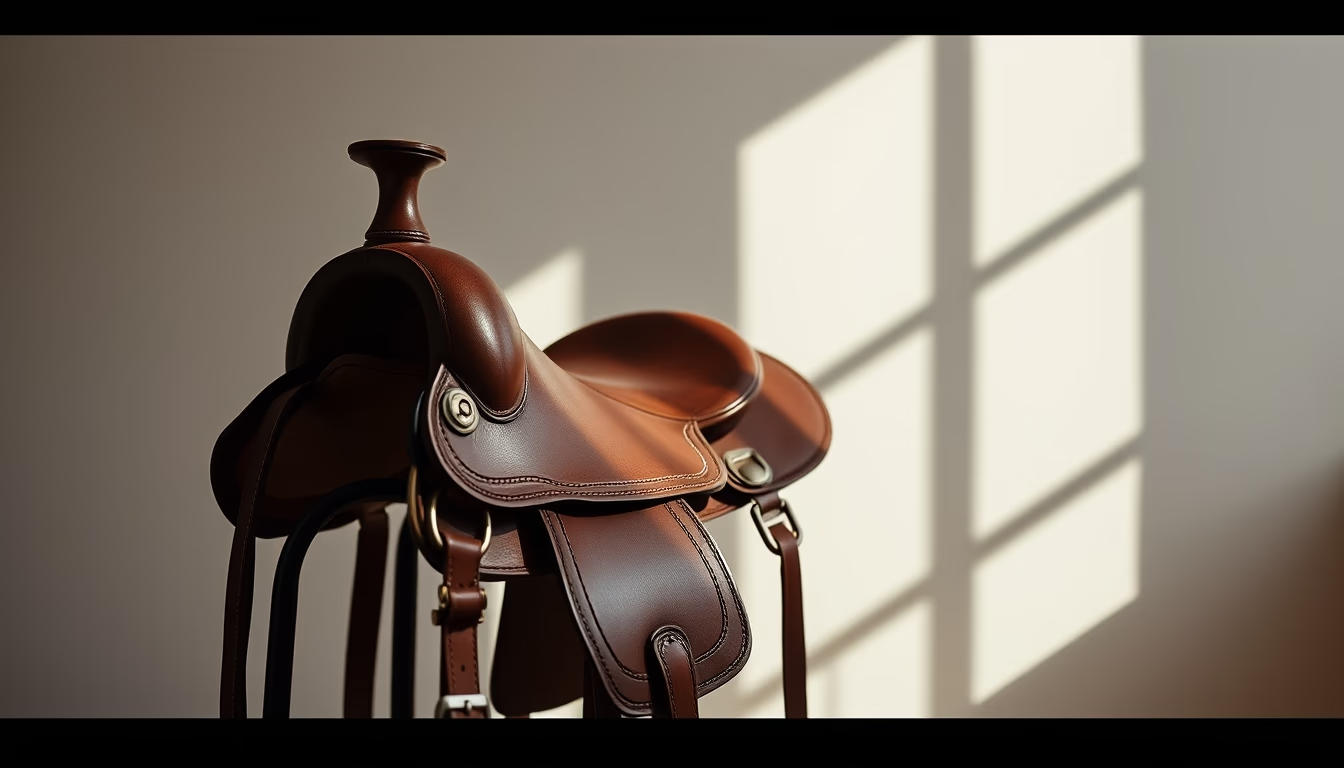
Western saddle leather: understanding the types, tanning, and care of this durable and traditional material.
About this subject
Leather used in Western saddles is traditionally known for its strength and durability, essential characteristics to support the rider's weight and friction with the horse during long work or competition days. Western saddles, unlike English saddles, have a more robust construction with larger amounts of leather and structural reinforcements. The most common types of leather used are full grain, which retains the original surface of the hide, and top grain, which undergoes light sanding to even the texture. Vegetable tanning, a process using tannins extracted from tree bark, is the preferred method for high-quality saddles, as it gives the leather firmness and allows it to develop a natural patina over time. Chrome tanning, faster and cheaper, yields softer leather but is less resistant to moisture and prolonged wear. Proper maintenance of Western saddle leather involves cleaning with saddle soap, conditioning with oils or conditioners (such as mink oil or neatsfoot oil), and storage in a breathable area away from direct sunlight. A curious fact: the seat of a Western saddle is often made from a single piece of leather stretched over the tree (the wooden or fiberglass frame), requiring skilled craftsmanship to avoid wrinkles that could discomfort the rider. This saddle style originated from Spanish and Mexican vaqueros, who adapted the design for cattle ranch work in the United States, where leather toughness was tested daily.
Frequently Asked Questions
What is the difference between vegetable-tanned and chrome-tanned leather for Western saddles?
Vegetable tanning uses natural tannins, producing firmer, more durable leather that develops a patina over time. Chrome tanning is faster and yields soft leather, but it is less resistant to moisture and wear.
How should I clean and condition the leather of my Western saddle?
Use a saddle soap for cleaning. Then apply a leather conditioner or oil (e.g., mink oil or neatsfoot oil) to moisturize. Avoid silicone-based products and do not expose the leather to direct sunlight for long periods.
Why is full grain leather preferred for high-quality Western saddles?
Full grain leather retains the original hide surface with stronger fibers and superior durability. It better withstands mechanical stress and develops a unique patina valued by riders and craftsmen.
Direct URL
https://pub-c7d6a6ea828543ac903a74a341ccb2e1.r2.dev/imagens/western-saddle-leather-fish-eye-wide-angle-fresh10.avifHow to credit
Include a visible link back to UtilizAí. Copy one of the snippets below:
<a href="https://xn--utiliza-eza.com/en/midia/imagens/western-saddle-leather-fish-eye-wide-angle-fresh10">Western saddle leather</a> by <a href="https://xn--utiliza-eza.com">UtilizAí</a>, licensed under <a href="https://creativecommons.org/licenses/by/4.0/">CC BY 4.0</a>.
[Western saddle leather](https://xn--utiliza-eza.com/en/midia/imagens/western-saddle-leather-fish-eye-wide-angle-fresh10) by [UtilizAí](https://xn--utiliza-eza.com), CC BY 4.0
License: CC-BY-4.0