Western saddle leather
1344×768 · AVIF · CC BY 4.0

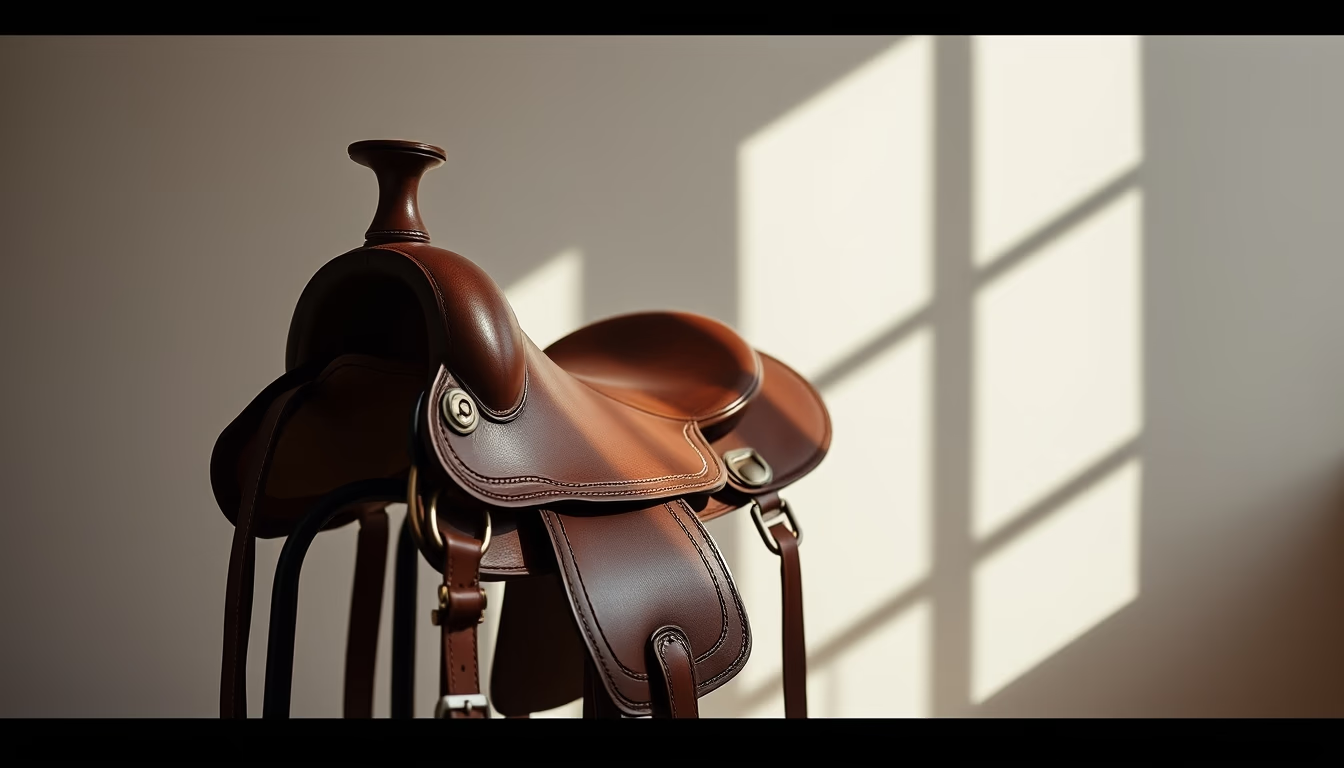
The leather used in Western saddles is a key element of equestrian tradition, combining durability and craftsmanship to withstand heavy ranch work.
About this subject
The Western saddle is an icon of American cowboy culture, designed for long days on horseback and cattle work. Leather is the predominant material, chosen for its durability and ability to conform to horse and rider. Unlike English saddles, which use thinner, more flexible leather, Western saddles employ thicker hides, often cowhide, vegetable-tanned for greater strength. Vegetable tanning is an ancient process using natural tannins from tree bark, giving the leather a characteristic brown color and firm texture that ages well.
Crafting a Western saddle is meticulous handwork, taking weeks or months. Leather is cut, stitched, and shaped by hand, with details like tooling, carving, and decorative hardware. Every part, from the tree (internal frame) to stirrups and cinches, is built to withstand extreme stress. High-quality leather, such as steer or buffalo hide, is treated with specific greases and oils to maintain flexibility and waterproofing, preventing drying and cracking under the harsh plains sun.
Leather's importance in the Western saddle extends beyond functionality: it represents the heritage of cowboys and Old West culture. Antique saddles, often passed down generations, tell stories through the worn leather. Today, the handmade saddle market still favors naturally tanned leather, though synthetic versions exist for beginners. Proper care, including cleaning with mild soap and conditioning with leather balms, is essential to preserve the saddle for decades. For enthusiasts, the smell and texture of genuine leather are irreplaceable, connecting them to the global equestrian tradition.
Frequently Asked Questions
What is the difference between Western saddle leather and English saddle leather?
Western saddle leather is thicker, vegetable-tanned, and more durable, designed for heavy work and long hours. English saddle leather is thinner, more flexible, and lighter, suited for disciplines like jumping and dressage.
How do I care for Western saddle leather to make it last longer?
Clean with mild soap and warm water, dry in the shade, and apply leather conditioner (like mink oil or wax) regularly. Avoid prolonged sun exposure and store in a ventilated area.
Is synthetic leather a good alternative for Western saddles?
Synthetic leather saddles are cheaper and easier to clean, but they don't offer the same durability, comfort, or aesthetic value as genuine leather. They are suitable for beginners or occasional use, but experienced riders prefer real leather.
Direct URL
https://pub-c7d6a6ea828543ac903a74a341ccb2e1.r2.dev/imagens/western-saddle-leather-documentary-photography-fresh13.avifHow to credit
Include a visible link back to UtilizAí. Copy one of the snippets below:
<a href="https://xn--utiliza-eza.com/en/midia/imagens/western-saddle-leather-documentary-photography-fresh13">Western saddle leather</a> by <a href="https://xn--utiliza-eza.com">UtilizAí</a>, licensed under <a href="https://creativecommons.org/licenses/by/4.0/">CC BY 4.0</a>.
[Western saddle leather](https://xn--utiliza-eza.com/en/midia/imagens/western-saddle-leather-documentary-photography-fresh13) by [UtilizAí](https://xn--utiliza-eza.com), CC BY 4.0
License: CC-BY-4.0