Wax seal collection
1344×768 · AVIF · CC BY 4.0
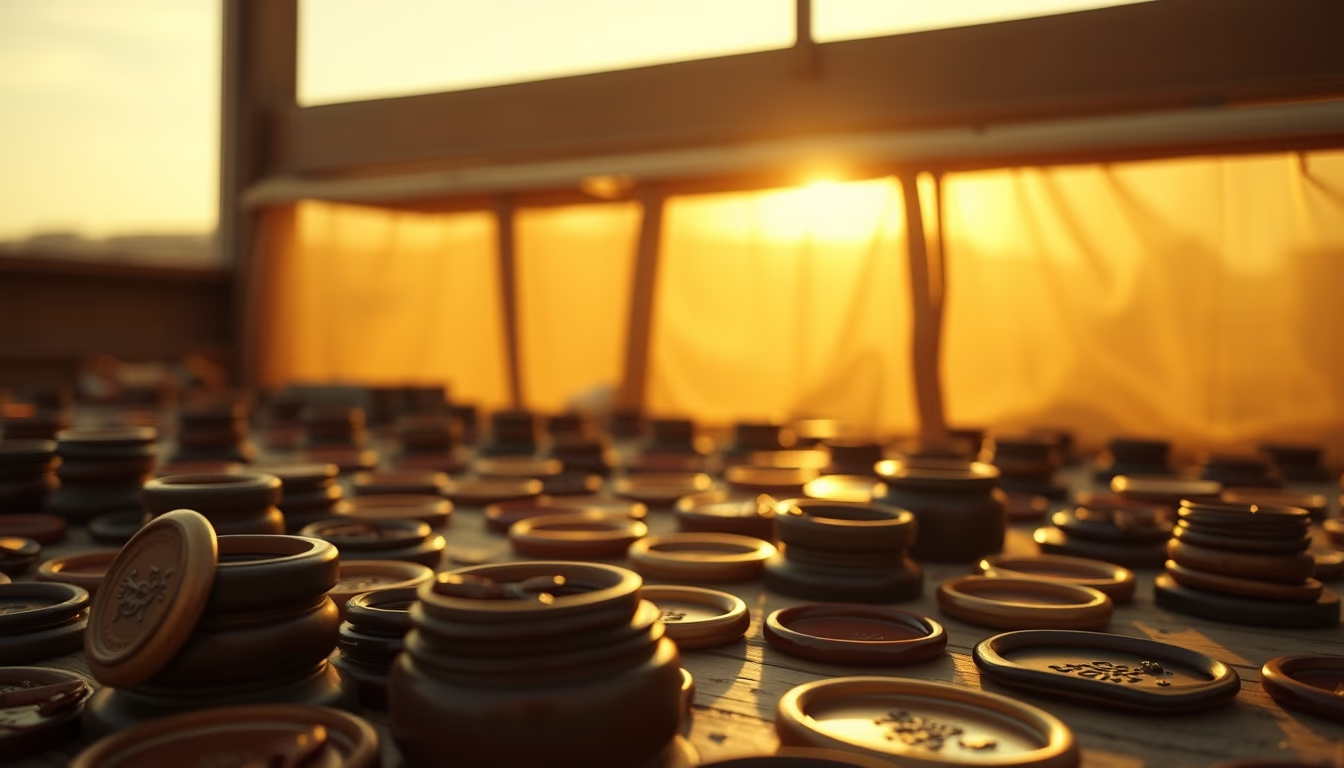
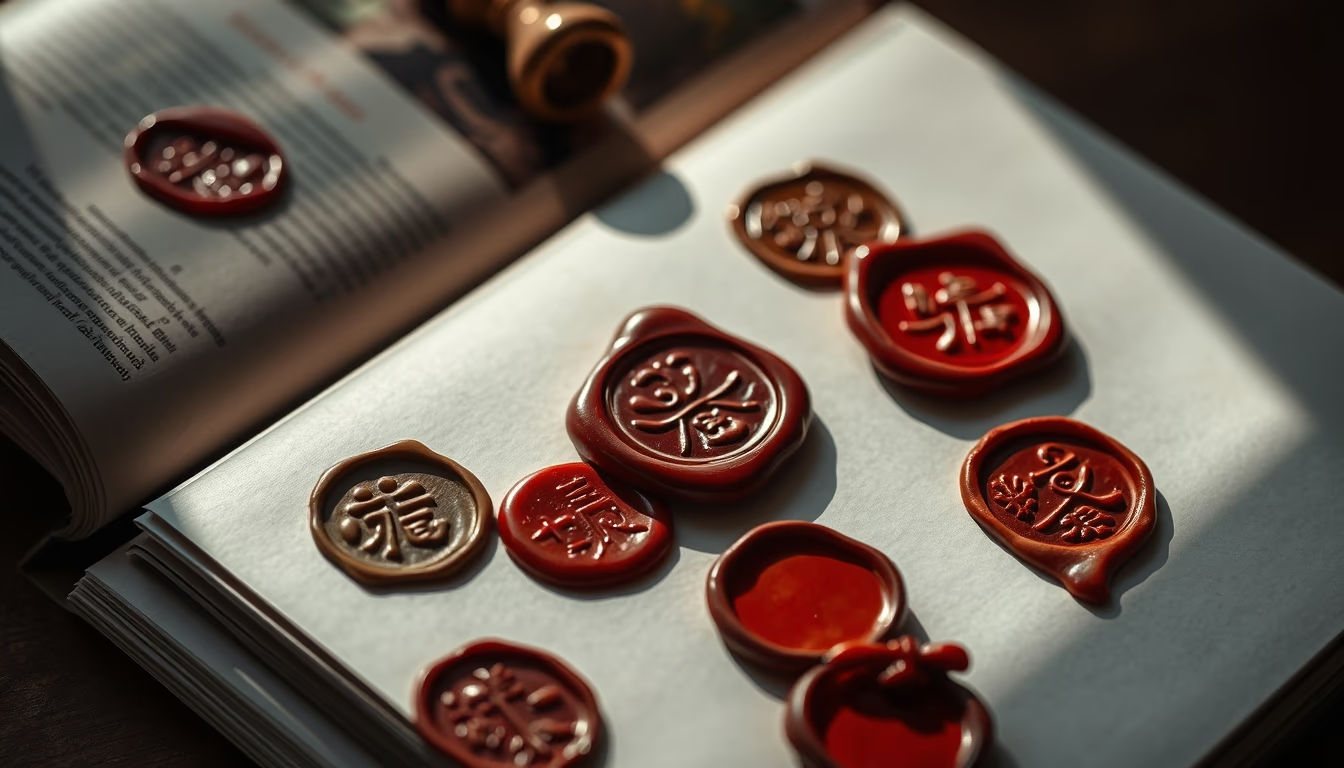
Collection of wax seals with diverse designs, exploring the history and modern uses of this ancient personalization technique.
About this subject
Wax seals date back to antiquity, when carved stone cylinders were used in Mesopotamia to authenticate documents. In the Middle Ages, the technique spread across Europe, especially with metal signet rings and beeswax dyed with natural pigments. Each seal was unique, representing coats of arms of noble families, monograms of kings, or symbols of trade guilds, functioning as a visual signature and a guarantee of integrity.
Producing a wax seal involves melting a mixture of wax, resin, and dye, pouring it onto paper, and pressing it with a personalized stamp. Traditional colors include red, black, and green, but today metallic and pastel shades are also available. Designs range from floral and animal motifs to geometric patterns and initials, reflecting everything from medieval heraldry to modern corporate logos.
Today, wax seals extend beyond formal correspondence. They are popular in wedding invitations, scrapbooking, gift wrapping, and personalized crafts. Luxury brands and small businesses use them to add aesthetic value and a sense of exclusivity. The craft is also practiced as a hobby, with online communities sharing tips on wax types, tools, and preservation.
Notably, the oldest known wax seal dates to around 3000 BCE, from Sumerian civilization. The word "seal" comes from Latin "sigillum", while the term "wax" derives from Old English. Collectors may amass hundreds of seals from different eras and regions, forming historical and artistic collections.
Frequently Asked Questions
What is the difference between a wax seal and a security seal?
A wax seal is a decorative or identification mark made by pouring melted wax and pressing a stamp, used for personalizing documents, invitations or packaging. A security seal is a tamper-evident plastic or metal device used to lock containers, boxes or meters, ensuring they have not been opened without authorization.
What materials are used for modern wax seals?
Common materials include soy or microcrystalline wax (more flexible and less brittle than beeswax), resin for shine, and natural or synthetic pigments. Stamps can be made of metal, brass, or wood with custom engraving.
How to preserve an antique wax seal?
Avoid direct sunlight and humidity. Store in a dry, dark place, preferably in padded compartment boxes. Handle with gloves to prevent oil transfer. If the wax is cracked, do not attempt repair with heat, as it may damage the design.
Direct URL
https://pub-c7d6a6ea828543ac903a74a341ccb2e1.r2.dev/imagens/wax-seal-collection-cinematic-wide-shot-fresh12.avifHow to credit
Include a visible link back to UtilizAí. Copy one of the snippets below:
<a href="https://xn--utiliza-eza.com/en/midia/imagens/wax-seal-collection-cinematic-wide-shot-fresh12">Wax seal collection</a> by <a href="https://xn--utiliza-eza.com">UtilizAí</a>, licensed under <a href="https://creativecommons.org/licenses/by/4.0/">CC BY 4.0</a>.
[Wax seal collection](https://xn--utiliza-eza.com/en/midia/imagens/wax-seal-collection-cinematic-wide-shot-fresh12) by [UtilizAí](https://xn--utiliza-eza.com), CC BY 4.0
License: CC-BY-4.0