Water filter outdoor
1344×768 · AVIF · CC BY 4.0
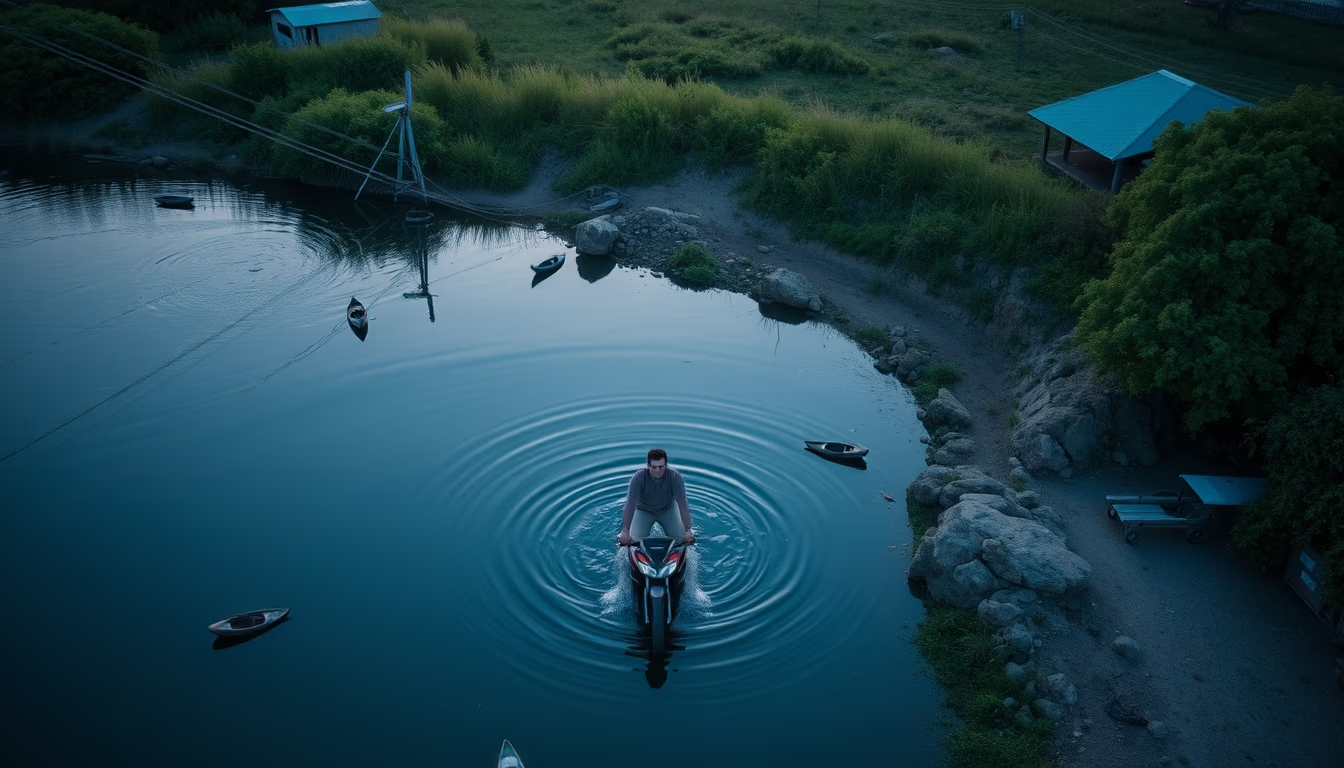
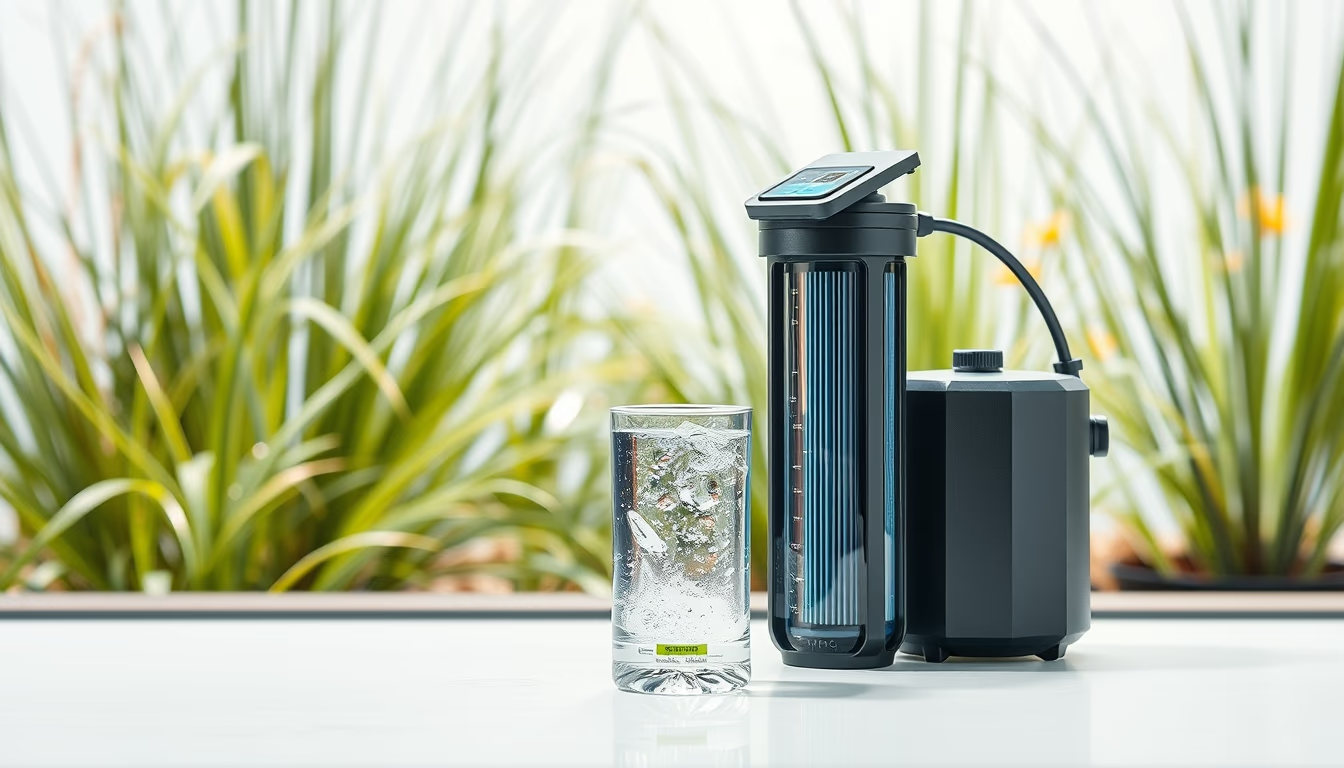
Portable water filters are essential survival gear for outdoor adventures, converting natural water sources into safe drinking water.
About this subject
In survival scenarios or outdoor activities, access to safe drinking water is paramount. According to the World Health Organization, around 2 billion people worldwide consume water from contaminated sources, highlighting the importance of portable filtration systems. These devices remove protozoa, bacteria, and sediment, making water from rivers, lakes, or springs safe to drink. Brands like LifeStraw and Sawyer are industry leaders, using technologies such as hollow fiber membranes or ceramic and activated carbon filters.
Brazil's diverse biomes present unique challenges. In the Amazon, river water may contain parasites like Giardia, while in mountainous regions, seemingly clean waterfalls can still carry animal-borne pathogens. The ideal filter depends on the trip type: pump or squeeze models are practical for light expeditions, while gravity-fed filters are more efficient for base camps. A key tip is to pre-filter water through a cloth to remove large particles, extending the equipment's lifespan.
Proper maintenance is critical. Filters should not freeze, as membranes may crack, and they must be cleaned with clean water after use. In extreme conditions, boiling filtered water adds an extra safety layer, but most modern filters already eliminate 99.9999% of bacteria. Their portability and lightweight design make them a mandatory item in survival kits, hiking backpacks, and even urban emergency preparedness.
Frequently Asked Questions
How to choose a water filter for camping?
Consider the type of water source, number of people, and weight. Pump or squeeze filters are lightweight and ideal for solo use; gravity filters are better for groups. Check microorganism removal capacity (bacteria, protozoa) and filter element durability.
How long does a portable water filter last?
Lifespan varies by model and use. Hollow fiber membrane filters, like those from Sawyer, can filter up to 100,000 liters if well maintained. Activated carbon filters need more frequent replacement, typically every 100 to 200 liters.
Is it necessary to boil water after filtering?
It is not mandatory if the filter is certified to remove bacteria and protozoa (NSF 53 or 58 standard). Boiling is an extra measure to eliminate viruses, which are larger and not retained by all filters. In areas with viral contamination risk, boiling or using chemical tablets is recommended.
Direct URL
https://pub-c7d6a6ea828543ac903a74a341ccb2e1.r2.dev/imagens/water-filter-outdoor-aerial-drone-shot-fresh12.avifHow to credit
Include a visible link back to UtilizAí. Copy one of the snippets below:
<a href="https://xn--utiliza-eza.com/en/midia/imagens/water-filter-outdoor-aerial-drone-shot-fresh12">Water filter outdoor</a> by <a href="https://xn--utiliza-eza.com">UtilizAí</a>, licensed under <a href="https://creativecommons.org/licenses/by/4.0/">CC BY 4.0</a>.
[Water filter outdoor](https://xn--utiliza-eza.com/en/midia/imagens/water-filter-outdoor-aerial-drone-shot-fresh12) by [UtilizAí](https://xn--utiliza-eza.com), CC BY 4.0
License: CC-BY-4.0