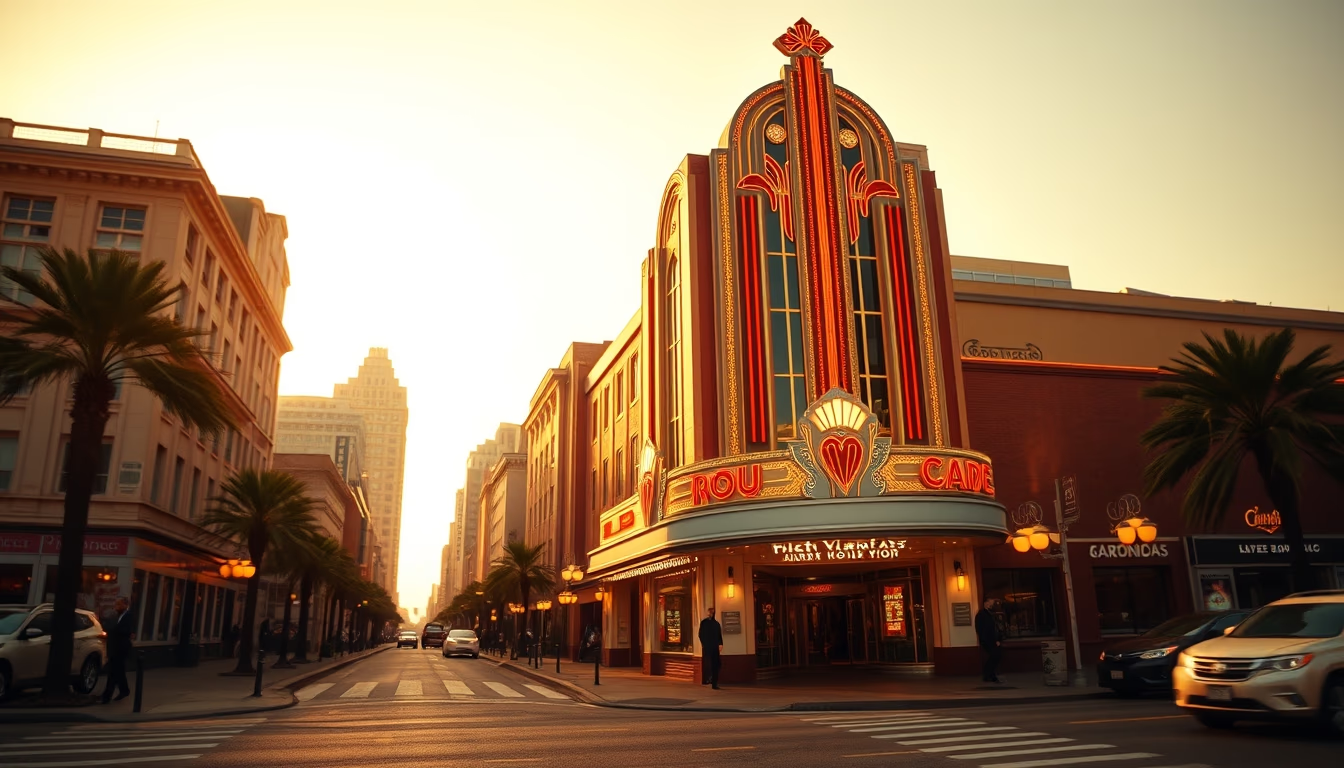
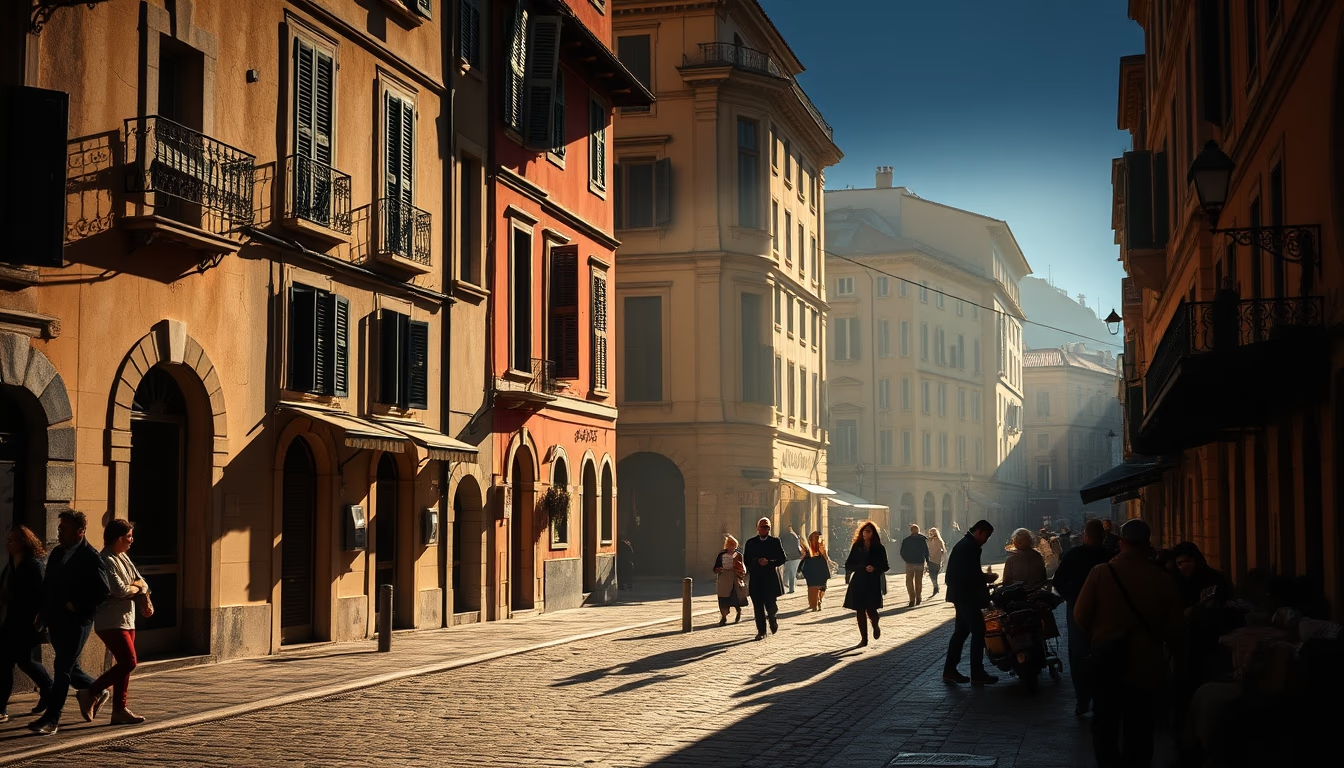
Vintage postcards stack
1344×768 · AVIF · CC BY 4.0

A stack of vintage postcards, witnesses of bygone eras and the evolution of visual and emotional communication among people worldwide.
About this subject
Vintage postcards are much more than simple paper objects: they are time capsules capturing historical moments, architecture, fashion, and customs from different eras. Officially emerging in the mid-19th century, the first postcards were plain correspondence cards. It was at the turn of the 20th century, with the popularization of chromolithographic printing techniques, that illustrated postcards became a worldwide craze. Between 1900 and 1915, the Golden Age of postcards saw millions being mailed daily, fulfilling the role now occupied by instant messages and social media.
Themes varied widely: urban and rural landscapes, monuments, political events, caricatures, tourist propaganda, and even records of natural disasters. Each postcard carried not only the image but also the stamp, postmark, and handwriting of the sender, forming a rich sociocultural document. The hobby of collecting postcards is called deltiology, a pastime that fuels specialized fairs and auction sites worldwide.
Today, vintage postcards are valued for their retro aesthetic appeal and as primary sources for historians. Cities like Paris, London, and São Paulo produced iconic postcard series that help reconstruct the urban landscape of past decades. Rarity depends on factors such as print run, condition, and historical context, some specimens fetch thousands of dollars. Beyond collectible value, they inspire designers, illustrators, and artists seeking authentic references for their work.
Frequently Asked Questions
What are vintage postcards?
They are postcards produced in past eras, typically from the early 20th century or earlier. They depict landscapes, monuments, everyday scenes, and advertising of their time, and are now collectibles and historical study objects.
What is the origin of postcards?
The first official postcard was issued in Austria in 1869. It quickly spread across Europe and the United States. From 1890 onward, color images became common, driven by techniques such as chromolithography.
How are vintage postcards valued in the collectors' market?
Value depends on rarity, condition, subject, and historical context. Postcards with limited print runs, special stamps, or cancellations from historic locations can fetch high prices at specialized auctions.
Direct URL
https://pub-c7d6a6ea828543ac903a74a341ccb2e1.r2.dev/imagens/vintage-postcards-stack-documentary-nature-style-fresh9.avifHow to credit
Include a visible link back to UtilizAí. Copy one of the snippets below:
<a href="https://xn--utiliza-eza.com/en/midia/imagens/vintage-postcards-stack-documentary-nature-style-fresh9">Vintage postcards stack</a> by <a href="https://xn--utiliza-eza.com">UtilizAí</a>, licensed under <a href="https://creativecommons.org/licenses/by/4.0/">CC BY 4.0</a>.
[Vintage postcards stack](https://xn--utiliza-eza.com/en/midia/imagens/vintage-postcards-stack-documentary-nature-style-fresh9) by [UtilizAí](https://xn--utiliza-eza.com), CC BY 4.0
License: CC-BY-4.0