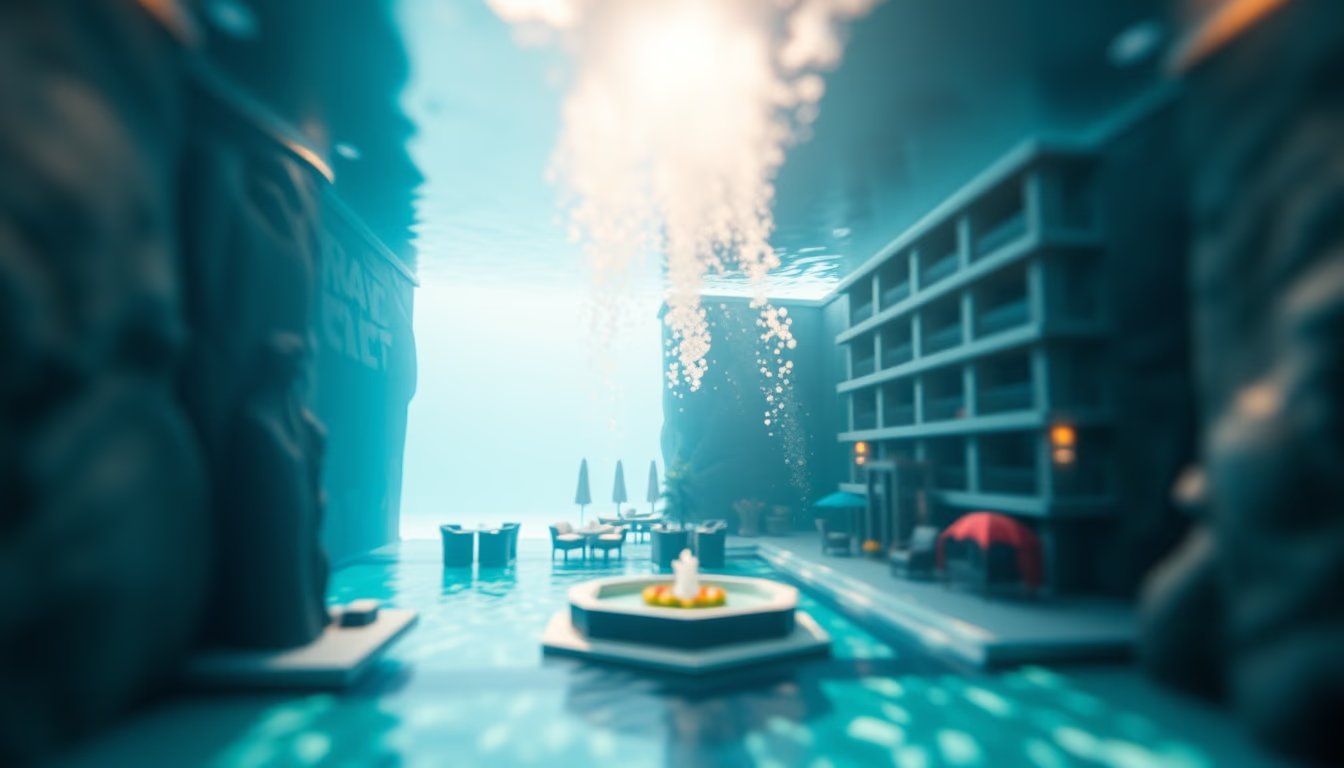
Underwater hotel concept
1344×768 · AVIF · CC BY 4.0
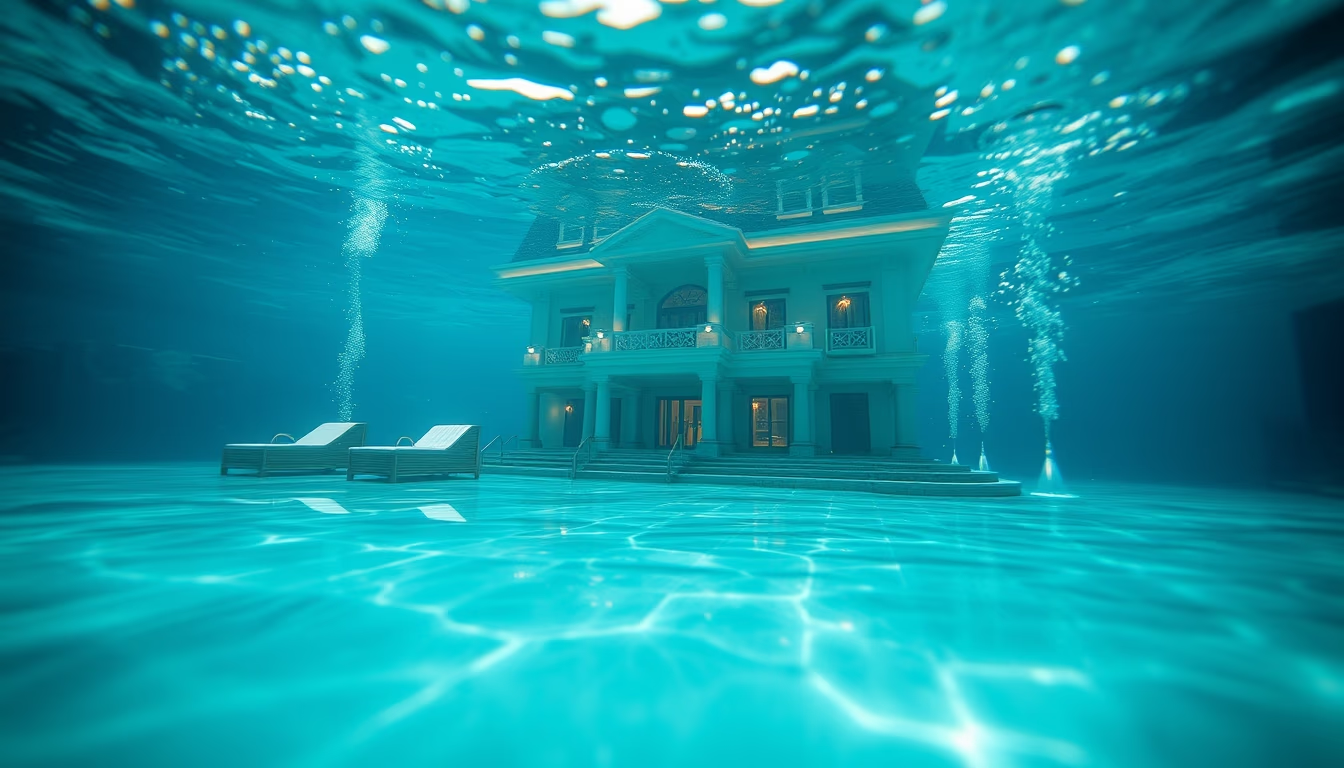
Underwater hotels combine luxury and innovative engineering to offer panoramic ocean views, with projects like the Poseidon Undersea Resort.
About this subject
Underwater hotels represent a niche segment in luxury architecture, merging bold design and cutting-edge technology to create immersive experiences on the ocean floor. The concept gained prominence with the Poseidon Undersea Resort, planned for the Fiji Islands, which envisioned fully submerged suites 12 meters deep with acrylic walls for marine life observation. Although the project remained incomplete as of 2024, it influenced ventures like the Conrad Maldives Rangali Island, which opened the world's first underwater restaurant in 2005, and the Muraka, a two-story partially submerged residence in the Maldives.
The engineering behind these structures faces colossal challenges: water pressure resistance, saltwater corrosion, and life-support systems. Materials such as reinforced steel and thick acrylic are essential, along with redundant oxygen and climate control systems. Architects like the Belgian firm Vincent Callebaut have proposed futuristic concepts such as Aequorea, a self-sustaining underwater city inspired by bioluminescent beings. These projects explore integration with artificial reefs, promoting marine life and minimizing ecological impact.
Culturally, underwater hotels captivate by offering a unique perspective of the ocean, combining luxury tourism with environmental education. Venues like Atlantis The Palm in Dubai incorporate giant aquariums and submerged tunnels, while the Water Discus hotel under construction in Russia plans modular structures deployable on any coastline. Economic viability remains limited to high-end destinations, but the concept drives innovations in sustainable architecture and marine conservation tourism.
Frequently Asked Questions
What is required to build an underwater hotel?
Corrosion-resistant materials like steel and thick acrylic, life-support systems with redundant oxygen, and environmental planning to minimize reef impact.
Are there underwater hotels currently operating?
Yes, examples include the Ithaa underwater restaurant in the Maldives, Atlantis The Palm in Dubai (with a giant aquarium), and the Muraka underwater residence in the Maldives.
What are the environmental challenges of these projects?
Construction can damage coral reefs, but modern projects aim to integrate artificial reefs and use sustainable materials to promote marine life.
Direct URL
https://pub-c7d6a6ea828543ac903a74a341ccb2e1.r2.dev/imagens/underwater-hotel-concept-macro-closeup-fresh3.avifHow to credit
Include a visible link back to UtilizAí. Copy one of the snippets below:
<a href="https://xn--utiliza-eza.com/en/midia/imagens/underwater-hotel-concept-macro-closeup-fresh3">Underwater hotel concept</a> by <a href="https://xn--utiliza-eza.com">UtilizAí</a>, licensed under <a href="https://creativecommons.org/licenses/by/4.0/">CC BY 4.0</a>.
[Underwater hotel concept](https://xn--utiliza-eza.com/en/midia/imagens/underwater-hotel-concept-macro-closeup-fresh3) by [UtilizAí](https://xn--utiliza-eza.com), CC BY 4.0
License: CC-BY-4.0