Underwater camera housing
1344×768 · AVIF · CC BY 4.0
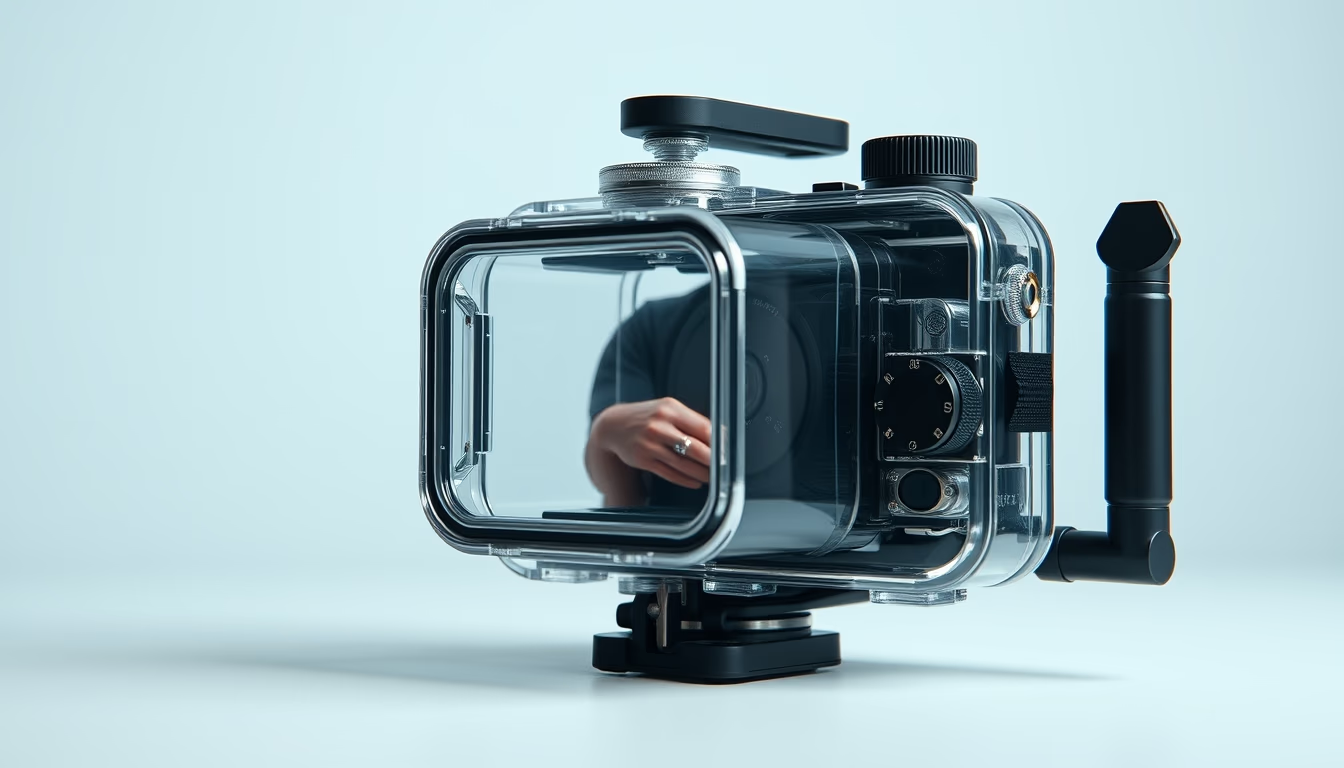
Underwater camera housing, an essential equipment for professional and amateur underwater photography.
About this subject
An underwater camera housing is a waterproof enclosure that protects cameras and camcorders from pressure and moisture during dives. Typically made of anodized aluminum or high-strength polycarbonate, it allows the photographer to operate all camera controls through external buttons and levers. There are specific models for each camera brand and type, from compact point-and-shoots to DSLR and mirrorless systems, with maximum operating depths ranging from 40 to 100 meters or more.
The importance of a housing extends beyond protection: it enables the use of wide-angle lenses, glass or acrylic ports for optical correction, and external flash systems with sync cords. Leading brands include Ikelite, Nauticam, Aquatica, and Seafrogs. The development of these housings revolutionized marine life, shipwreck, and aquatic sports photography, allowing captures that were previously impossible.
Interestingly, early housings were handmade from PVC pipes or metal with rubber seals. Modern technology includes double o-ring sealing systems, vacuum valves to test watertightness before diving, and connectors for remote trigger cables. Proper maintenance, such as lubricating o-rings and rinsing with fresh water after each use, is critical to prolonging the equipment's lifespan.
Frequently Asked Questions
What is the maximum depth an underwater camera housing can withstand?
It depends on the model and material. Aluminum housings can withstand up to 100 meters or more, while polycarbonate ones typically reach 40 to 60 meters. Always check the manufacturer's specifications.
Can I use any camera in an underwater housing?
No. Housings are designed for specific camera models because controls and dimensions vary. There are universal housings for compact cameras, but for DSLR and mirrorless cameras a dedicated housing is required.
How should I maintain the housing after a dive?
Rinse the housing with fresh running water, dry with a soft cloth, lubricate the o-rings with silicone grease, and store in a dry, ventilated place. Avoid prolonged exposure to sunlight.
Direct URL
https://pub-c7d6a6ea828543ac903a74a341ccb2e1.r2.dev/imagens/underwater-camera-housing-studio-still-life-fresh14.avifHow to credit
Include a visible link back to UtilizAí. Copy one of the snippets below:
<a href="https://xn--utiliza-eza.com/en/midia/imagens/underwater-camera-housing-studio-still-life-fresh14">Underwater camera housing</a> by <a href="https://xn--utiliza-eza.com">UtilizAí</a>, licensed under <a href="https://creativecommons.org/licenses/by/4.0/">CC BY 4.0</a>.
[Underwater camera housing](https://xn--utiliza-eza.com/en/midia/imagens/underwater-camera-housing-studio-still-life-fresh14) by [UtilizAí](https://xn--utiliza-eza.com), CC BY 4.0
License: CC-BY-4.0