Tutankhamun mask
1344×768 · AVIF · CC BY 4.0
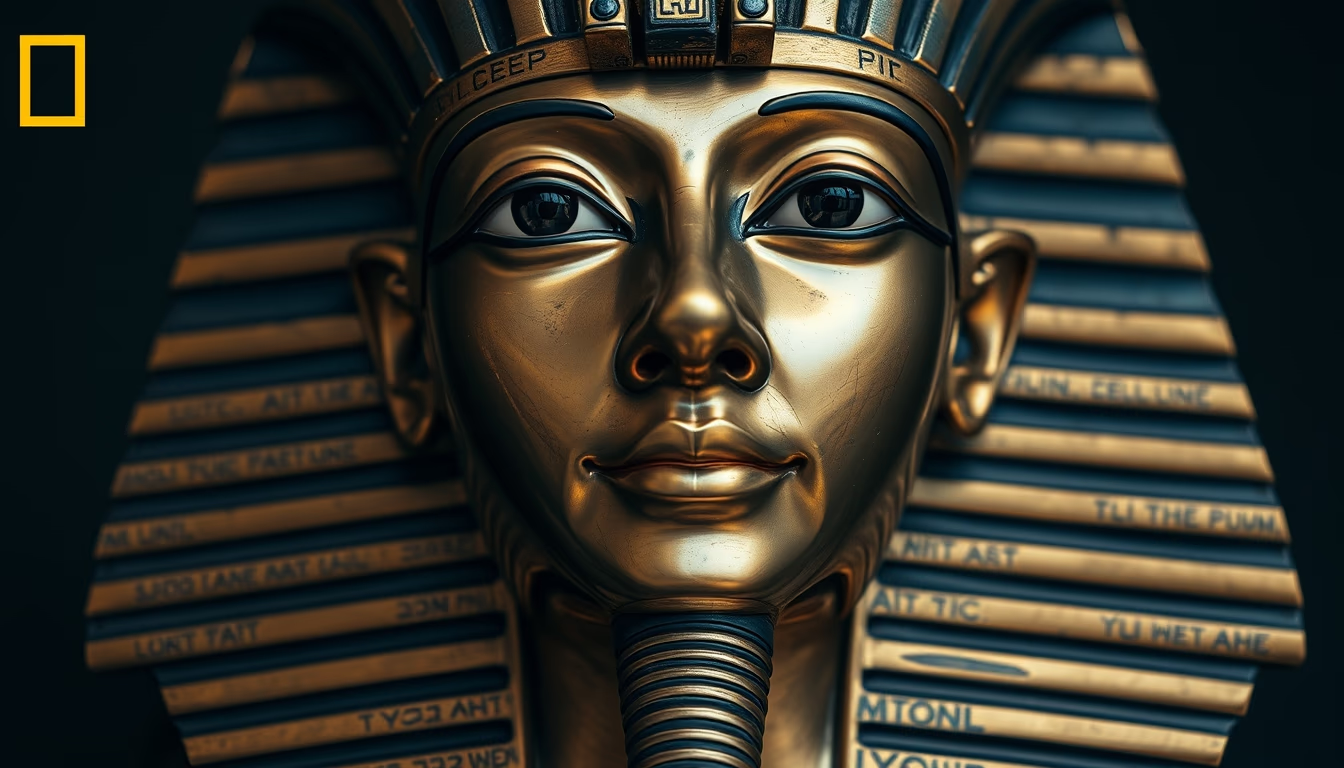
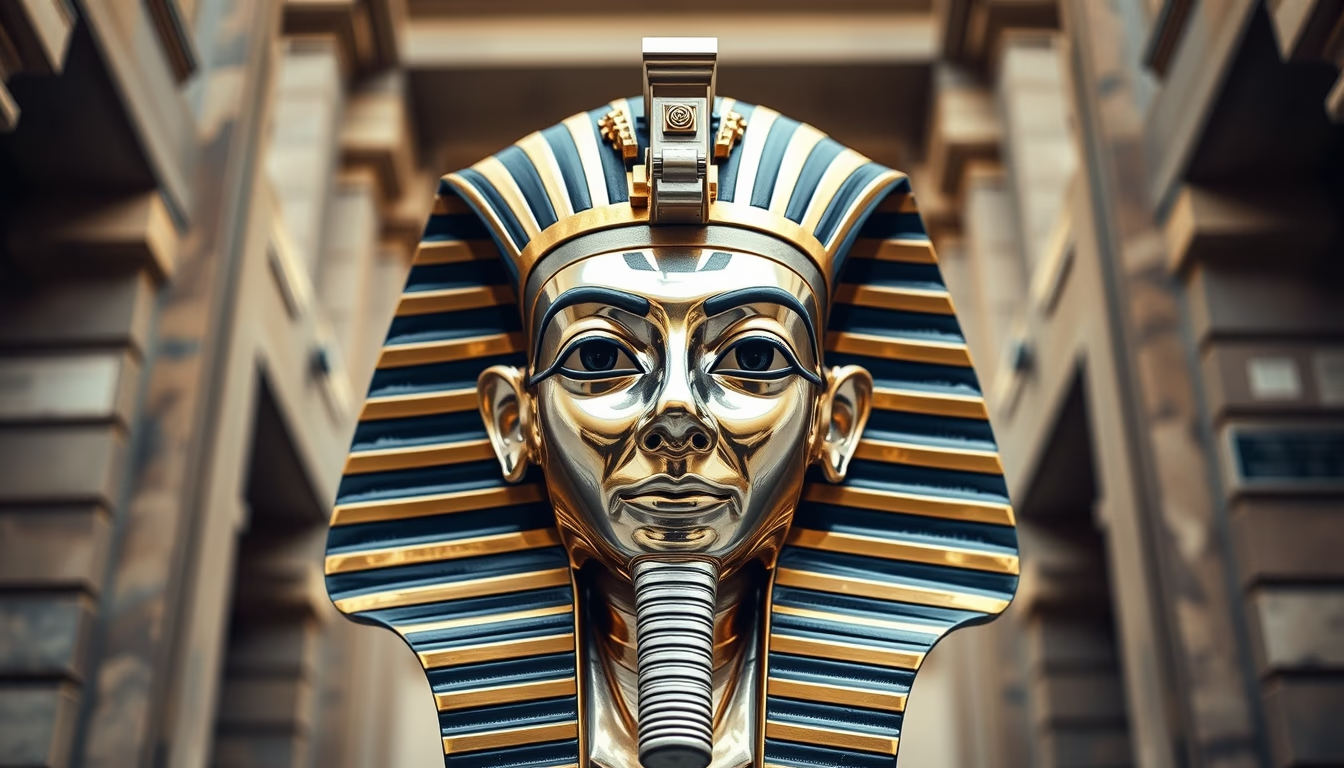
Tutankhamun's funerary mask is one of the most iconic artifacts from ancient Egypt, crafted from solid gold and inlaid with lapis lazuli and other precious stones.
About this subject
Tutankhamun's funerary mask, discovered in 1925 by Howard Carter in the Valley of the Kings, is one of the most famous treasures in world archaeology. Made of solid gold weighing about 11 kilograms, the piece features inlays of lapis lazuli, turquoise, carnelian, and colored glass. The young pharaoh's face is depicted with the nemes, the traditional striped headdress of Egyptian rulers, and an elongated false beard, a symbol of divinity. The mask was designed to protect the mummified body and ensure the deceased's identity in the afterlife, according to the funerary beliefs of ancient Egypt.
The craftsmanship of the mask reflects the high level of goldsmithing during the 18th Dynasty (c. 1323 BC). The eyes are made of obsidian and quartz, mimicking the living gaze of the pharaoh. The stripes of the nemes alternate gold and blue glass, representing the colors of the sky and the sun. The back of the piece bears hieroglyphic inscriptions with texts from the Book of the Dead, invoking divine protection. Interestingly, the mask was found still inside the quartzite sarcophagus, covering the mummy's head, with the pharaoh's hands holding royal scepters.
The piece underwent a meticulous restoration in 2015 after the accidental detachment of the false beard. The incident sparked international debate on the conservation of antiquities. Currently, the mask is on display at the Egyptian Museum in Cairo, in the main hall of Tutankhamun's treasure. It attracts millions of visitors every year and is considered a universal symbol of ancient Egyptian culture. Its image is reproduced on stamps, banknotes, and educational materials worldwide.
Beyond its aesthetic value, the mask offers insights into ancient Egyptian royal theology. The extensive use of gold associated the pharaoh with the sun god Ra, while the blue stones evoked the goddess Nut, who protected the dead. The false beard, typical of gods, indicated the king's deification after death. The combination of imported materials such as lapis lazuli from Afghanistan and turquoise from Sinai demonstrated the commercial and political reach of the Egyptian empire at the time.
Frequently Asked Questions
Where was Tutankhamun's mask found?
The mask was discovered in 1925 by Howard Carter in the Valley of the Kings, inside tomb KV62, covering the head of the pharaoh's mummy.
What is the significance of the colors and materials used in the mask?
Gold represented the sun god Ra and immortality. Lapis lazuli and turquoise symbolized the sky and divine protection. Each stone and color carried religious connotations associated with rebirth.
Why is the mask in the Egyptian Museum in Cairo and not elsewhere?
The mask has been part of the Egyptian Museum's collection since its discovery. Although there are plans to transfer it to the Grand Egyptian Museum, it remained at the current site for decades due to its historical and logistical value.
Direct URL
https://pub-c7d6a6ea828543ac903a74a341ccb2e1.r2.dev/imagens/tutankhamun-mask-national-geographic-style-p9.avifHow to credit
Include a visible link back to UtilizAí. Copy one of the snippets below:
<a href="https://xn--utiliza-eza.com/en/midia/imagens/tutankhamun-mask-national-geographic-style-p9">Tutankhamun mask</a> by <a href="https://xn--utiliza-eza.com">UtilizAí</a>, licensed under <a href="https://creativecommons.org/licenses/by/4.0/">CC BY 4.0</a>.
[Tutankhamun mask](https://xn--utiliza-eza.com/en/midia/imagens/tutankhamun-mask-national-geographic-style-p9) by [UtilizAí](https://xn--utiliza-eza.com), CC BY 4.0
License: CC-BY-4.0