Tutankhamun mask
1344×768 · AVIF · CC BY 4.0
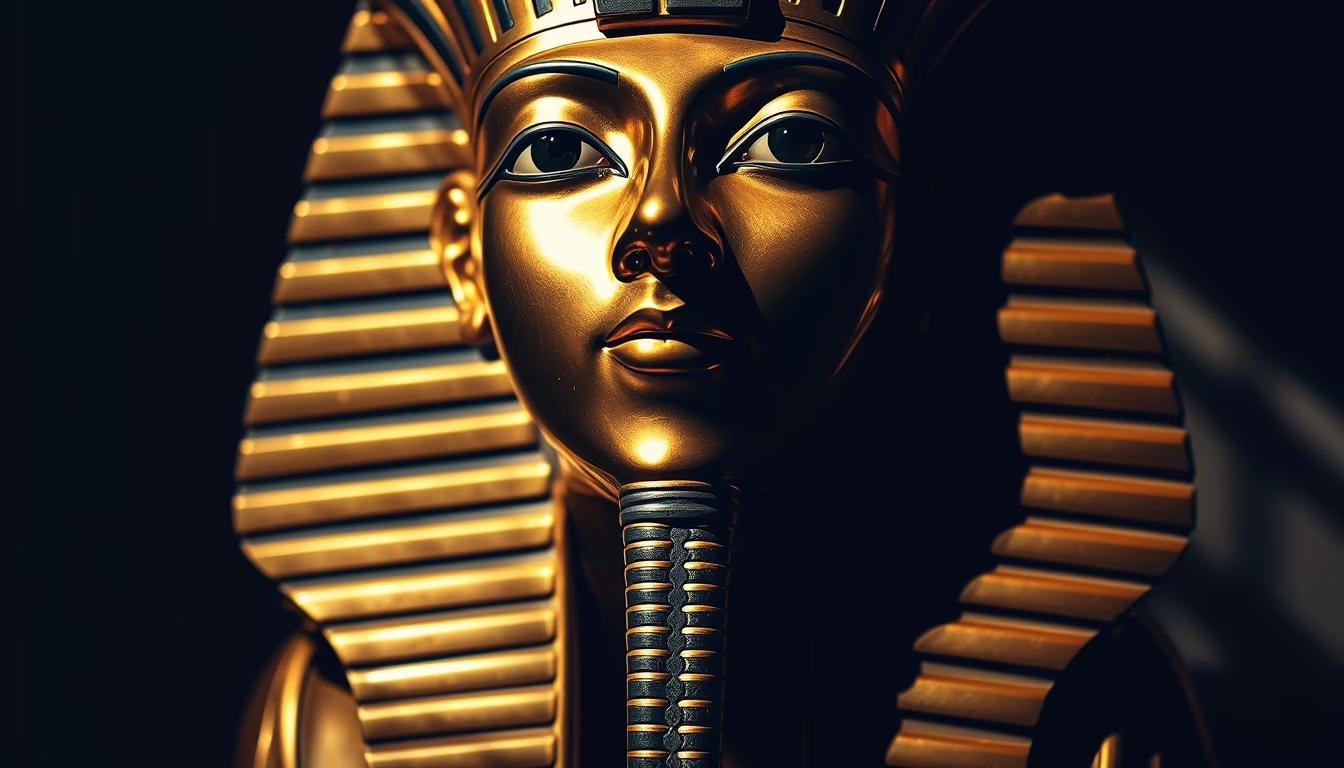
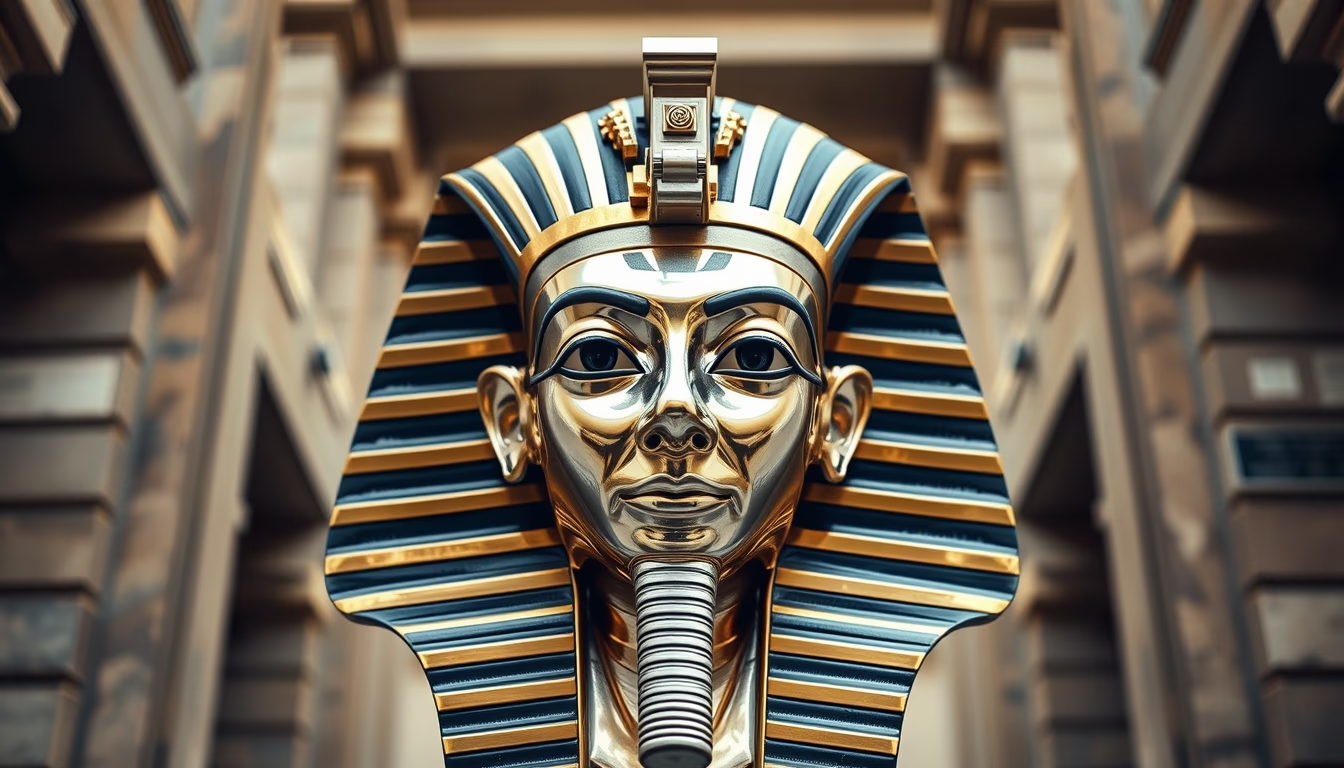
The death mask of Tutankhamun, crafted from solid gold and semi-precious stones, is one of the most iconic artifacts of ancient Egypt.
About this subject
Discovered in 1922 by Howard Carter in the Valley of the Kings, Tutankhamun's mask is the centerpiece of the funerary treasure of the boy pharaoh, who reigned between 1332 and 1323 BCE during the 18th Dynasty. The mask weighs approximately 11 kg of solid gold and is richly adorned with lapis lazuli, quartz, obsidian, and turquoise. The pharaoh's face is idealized, with almond-shaped eyes and a serene smile, reflecting the Egyptian belief in the afterlife. The mask covered the head and shoulders of the mummy, protecting the body and allowing the spirit to recognize the pharaoh in the hereafter.
The discovery of Tutankhamun's tomb was a milestone in archaeology, as it was one of the few royal burials found nearly intact, with thousands of objects. The mask, however, suffered accidental damage in 2014 during restoration work when the braided beard was broken and glued with inappropriate epoxy resin. The incident sparked international controversy, and the mask was later restored by a team of German and Egyptian specialists using proper techniques.
Culturally, Tutankhamun's mask has become a global symbol of ancient Egypt, featured in books, films, and souvenirs. It is on permanent display at the Egyptian Museum in Cairo but will be transferred to the new Grand Egyptian Museum near the Giza pyramids, still under opening process. Its importance goes beyond material value: it encapsulates the pinnacle of ancient Egyptian goldsmithing and funerary beliefs, standing as a testament to the wealth and artistry of the period.
Frequently Asked Questions
Was Tutankhamun's mask actually made of gold?
Yes, the mask is made of solid gold, weighing about 11 kg, and is inlaid with semi-precious stones such as lapis lazuli, obsidian, and turquoise.
Where is Tutankhamun's mask displayed today?
Currently, the mask is at the Egyptian Museum in Cairo, but it will be moved to the new Grand Egyptian Museum in Giza when it opens.
What happened to the mask's beard in 2014?
The braided beard was accidentally broken during cleaning and glued with improper epoxy resin, sparking criticism. It was later restored by German and Egyptian specialists.
Direct URL
https://pub-c7d6a6ea828543ac903a74a341ccb2e1.r2.dev/imagens/tutankhamun-mask-magazine-editorial-p6.avifHow to credit
Include a visible link back to UtilizAí. Copy one of the snippets below:
<a href="https://xn--utiliza-eza.com/en/midia/imagens/tutankhamun-mask-magazine-editorial-p6">Tutankhamun mask</a> by <a href="https://xn--utiliza-eza.com">UtilizAí</a>, licensed under <a href="https://creativecommons.org/licenses/by/4.0/">CC BY 4.0</a>.
[Tutankhamun mask](https://xn--utiliza-eza.com/en/midia/imagens/tutankhamun-mask-magazine-editorial-p6) by [UtilizAí](https://xn--utiliza-eza.com), CC BY 4.0
License: CC-BY-4.0