Tutankhamun mask
1344×768 · AVIF · CC BY 4.0
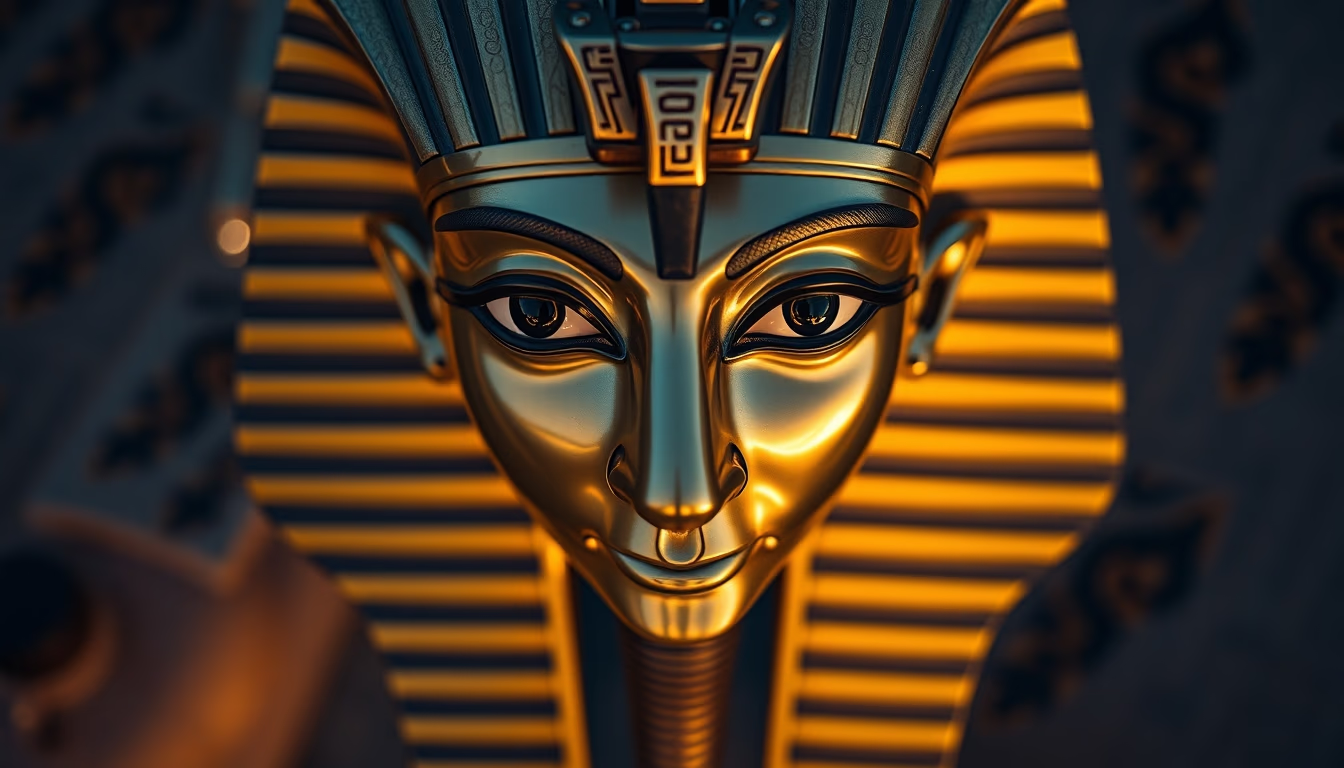
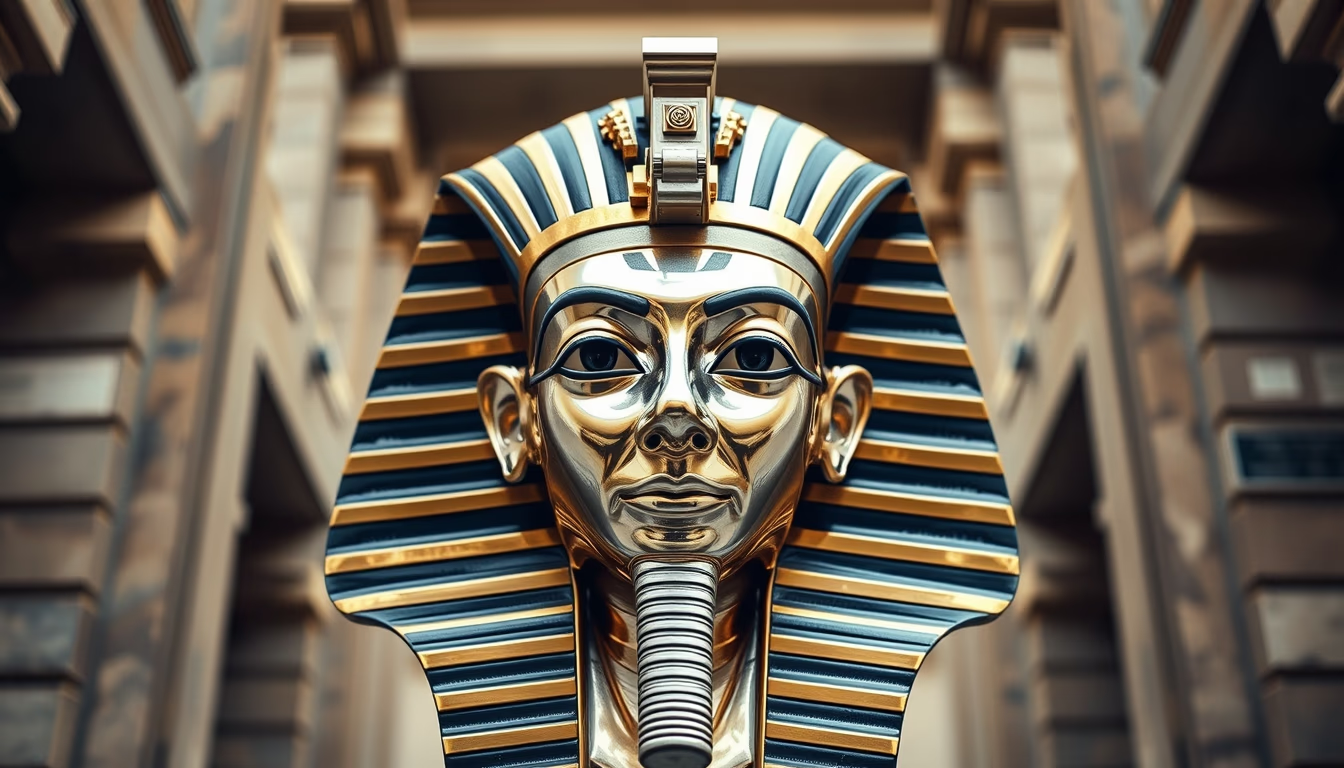
The funerary mask of Tutankhamun, discovered in 1922, is one of the most recognizable icons of ancient Egypt, made of solid gold and semi-precious stones.
About this subject
The mask of Tutankhamun was crafted to cover the face of the pharaoh's mummy, who ruled Egypt from 1334 to 1325 BC. It belongs to the 18th Dynasty and was unearthed by Howard Carter in November 1922 in the Valley of the Kings, during the excavation of tomb KV62. The artifact consists of two layers of high-karat gold, ranging from 1.5 to 3 mm in thickness, totaling 10.23 kg. Inlays of lapis lazuli, turquoise, carnelian, colored glass, and obsidian form the details of the eyes, eyebrows, and collar.
The mask is 54 cm tall and 39 cm wide. It features a false beard on the chin, typical of pharaohs, which was damaged and reattached in 2015 during a controversial restoration. The back bears an inscription from Chapter 151 of the Book of the Dead, ensuring the pharaoh's protection in the afterlife. Unlike other Egyptian masks, this one preserves the idealized image of the young king, with almond-shaped eyes and slightly curved lips.
The artifact is displayed at the Egyptian Museum in Cairo, in the Tutankhamun jewelry room. In 2022, it marked the centennial of its discovery, sparking renewed discussions about the racial representation of the mask and the actual appearance of the pharaoh, who died at age 19. Its popularity is so great that it has become a symbol of Egyptian tourism and a subject for replicas worldwide.
Frequently Asked Questions
Where is Tutankhamun's mask displayed?
Currently, the mask is exhibited at the Egyptian Museum in Cairo, in the hall dedicated to Tutankhamun's jewelry. The museum is located in Tahrir Square, central Cairo.
What materials is the mask made of?
The mask is made of solid gold with inlays of lapis lazuli, turquoise, carnelian, colored glass, and obsidian. It weighs approximately 10.23 kg.
Who discovered Tutankhamun's mask?
The mask was discovered in 1922 by British archaeologist Howard Carter during the excavation of Tutankhamun's tomb in the Valley of the Kings, Egypt.
Direct URL
https://pub-c7d6a6ea828543ac903a74a341ccb2e1.r2.dev/imagens/tutankhamun-mask-aerial-drone-shot-p2.avifHow to credit
Include a visible link back to UtilizAí. Copy one of the snippets below:
<a href="https://xn--utiliza-eza.com/en/midia/imagens/tutankhamun-mask-aerial-drone-shot-p2">Tutankhamun mask</a> by <a href="https://xn--utiliza-eza.com">UtilizAí</a>, licensed under <a href="https://creativecommons.org/licenses/by/4.0/">CC BY 4.0</a>.
[Tutankhamun mask](https://xn--utiliza-eza.com/en/midia/imagens/tutankhamun-mask-aerial-drone-shot-p2) by [UtilizAí](https://xn--utiliza-eza.com), CC BY 4.0
License: CC-BY-4.0